Culino Kitchen Culino Kitchen

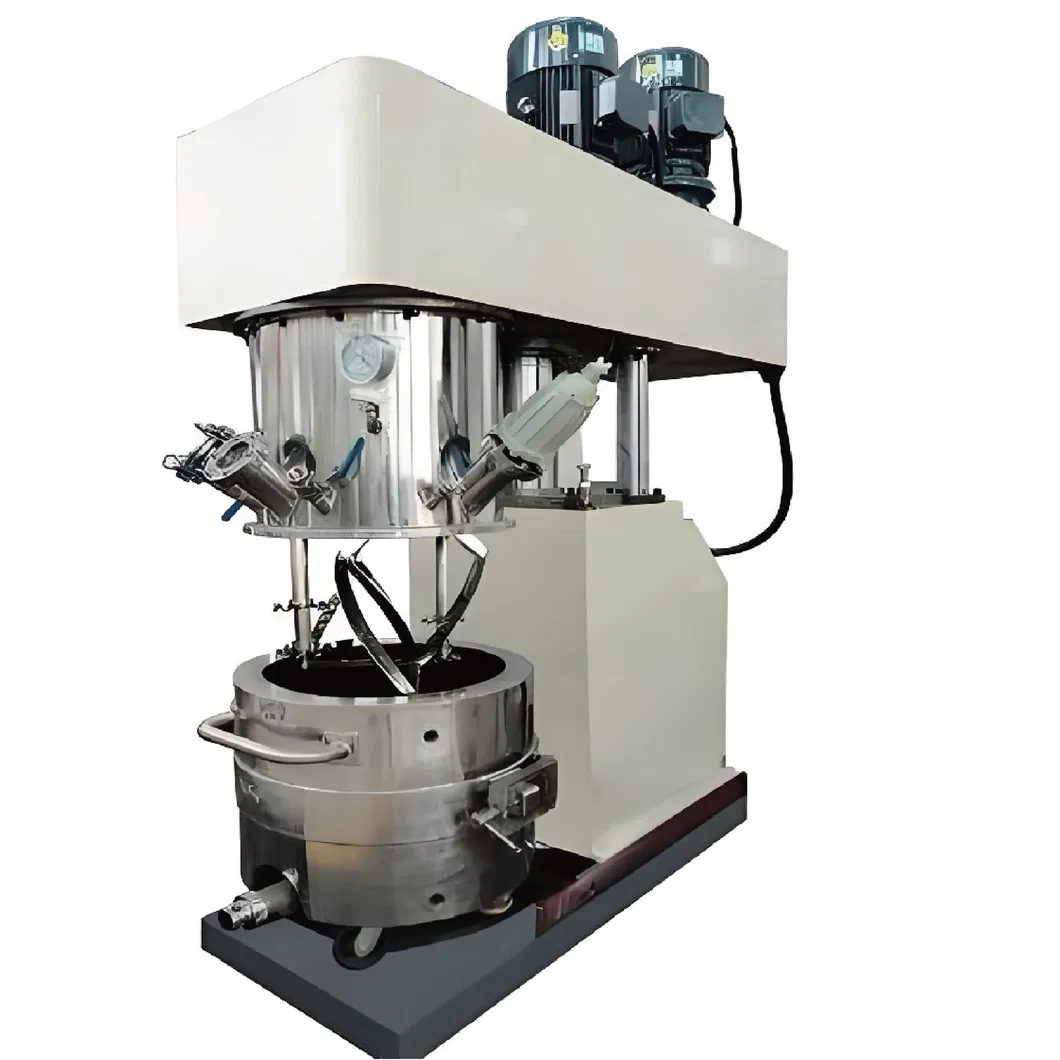
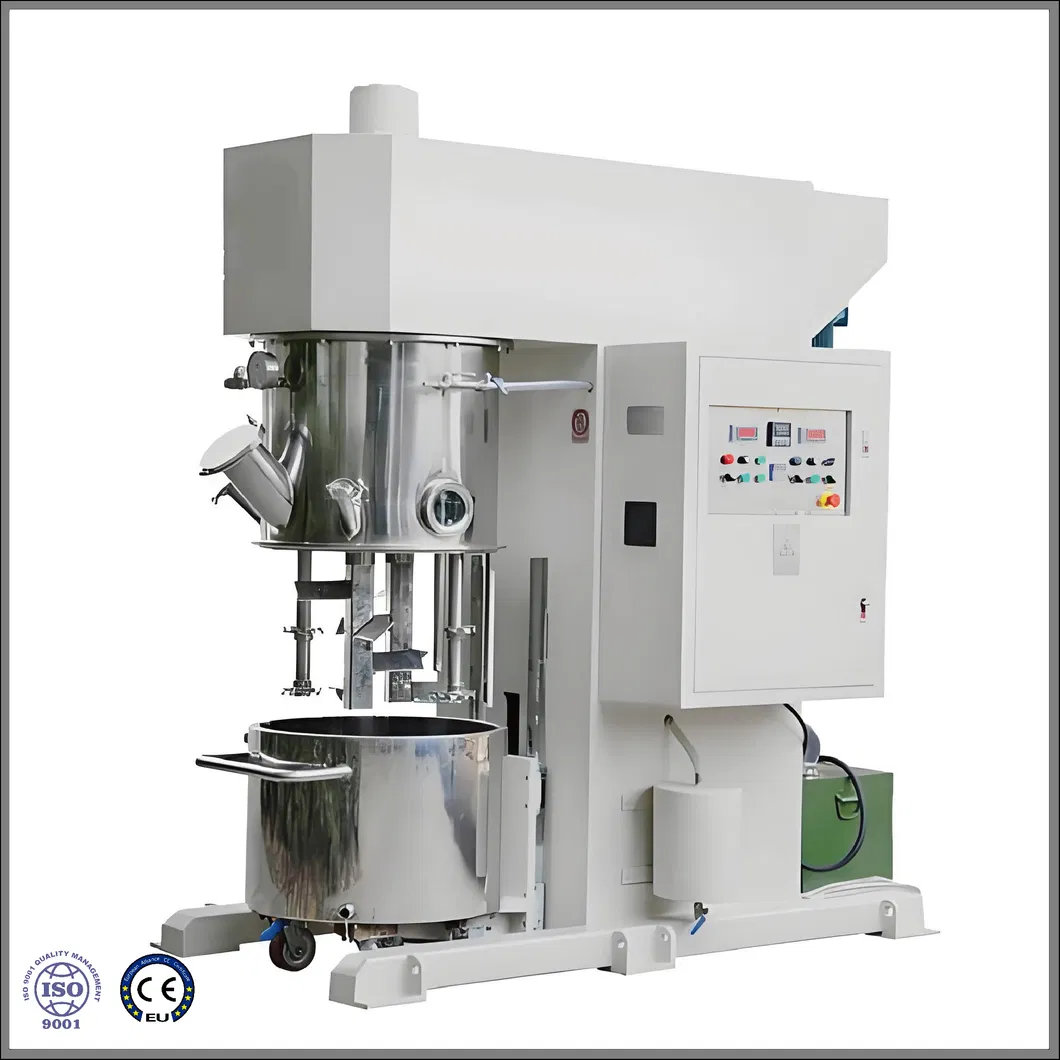
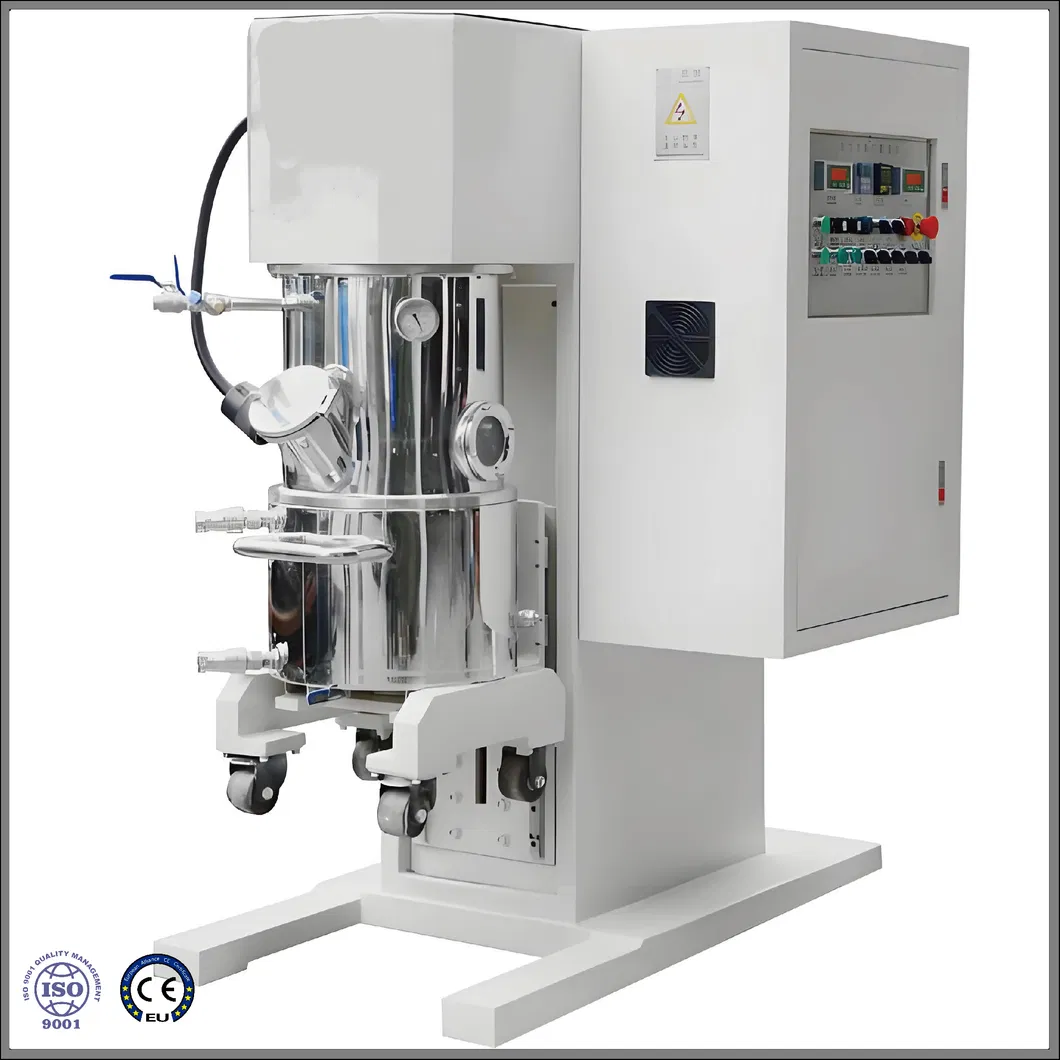
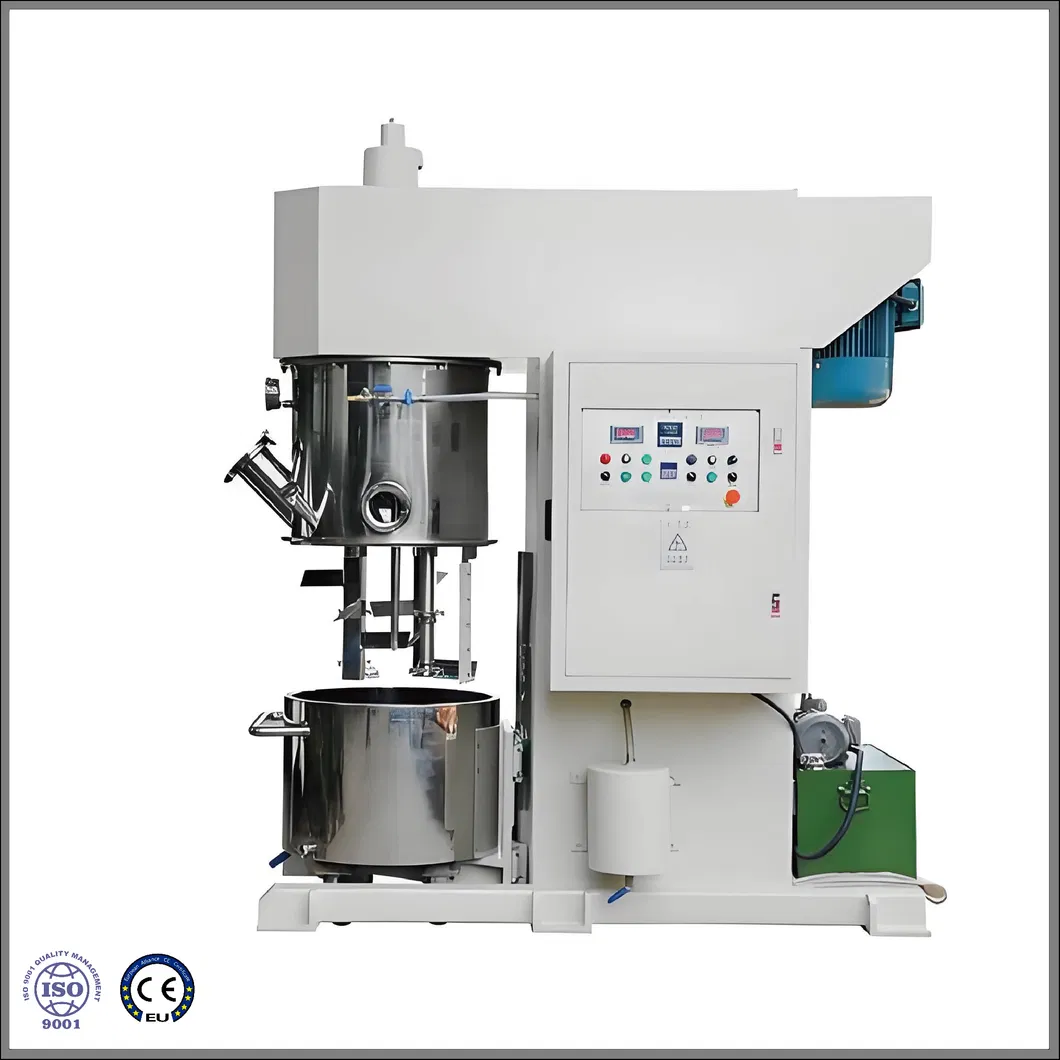
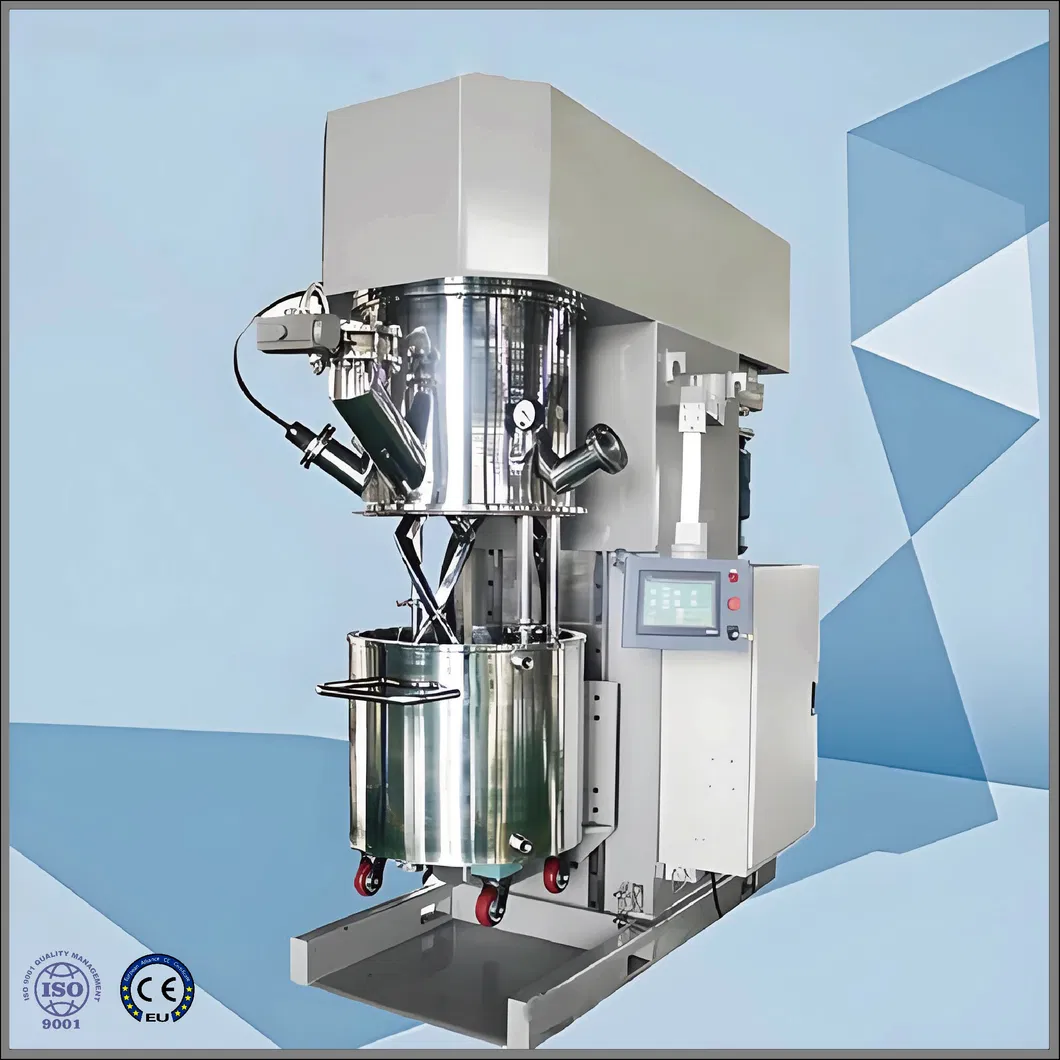
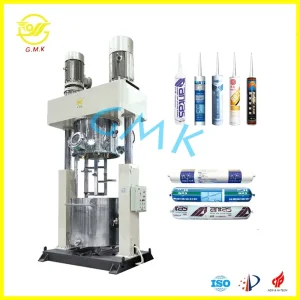
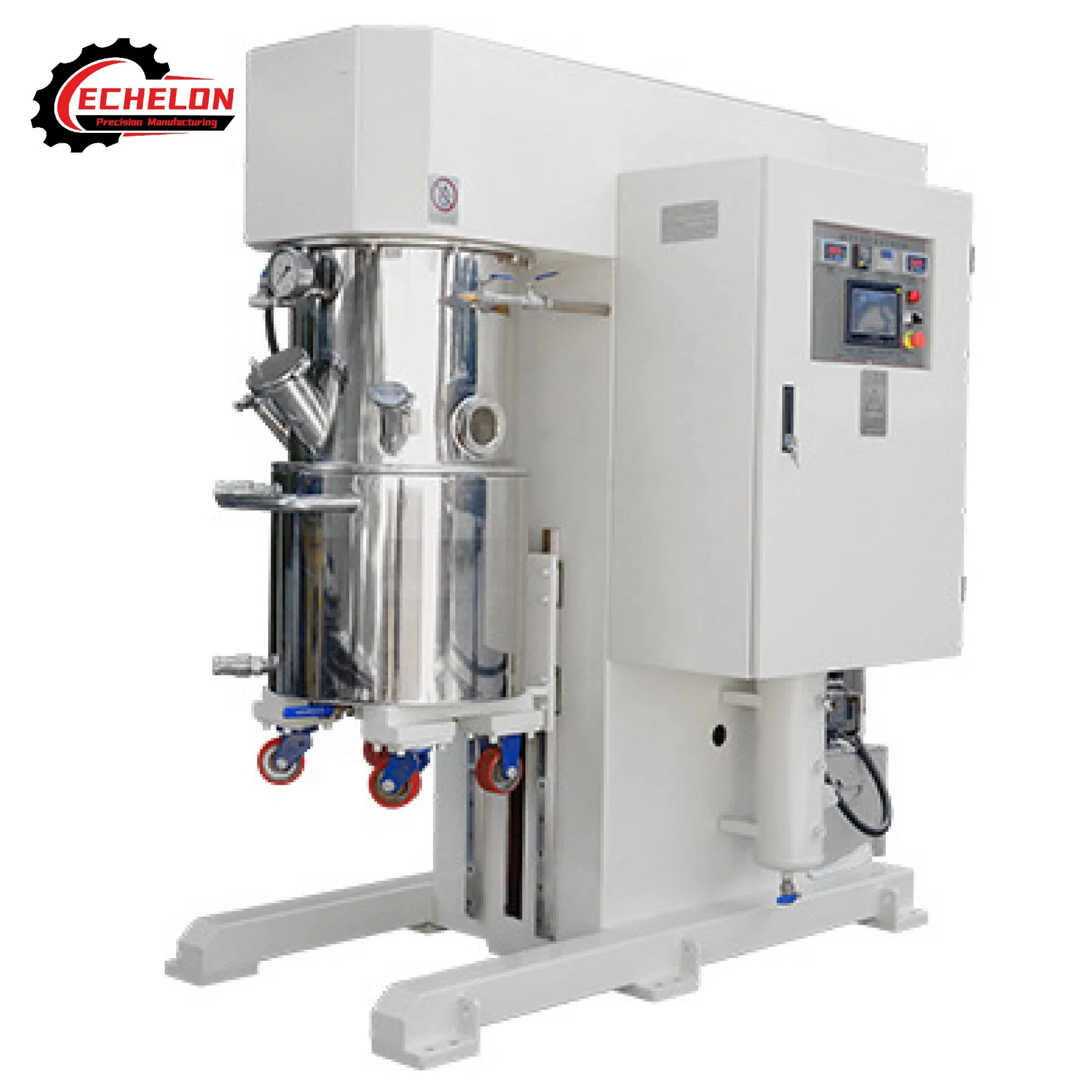
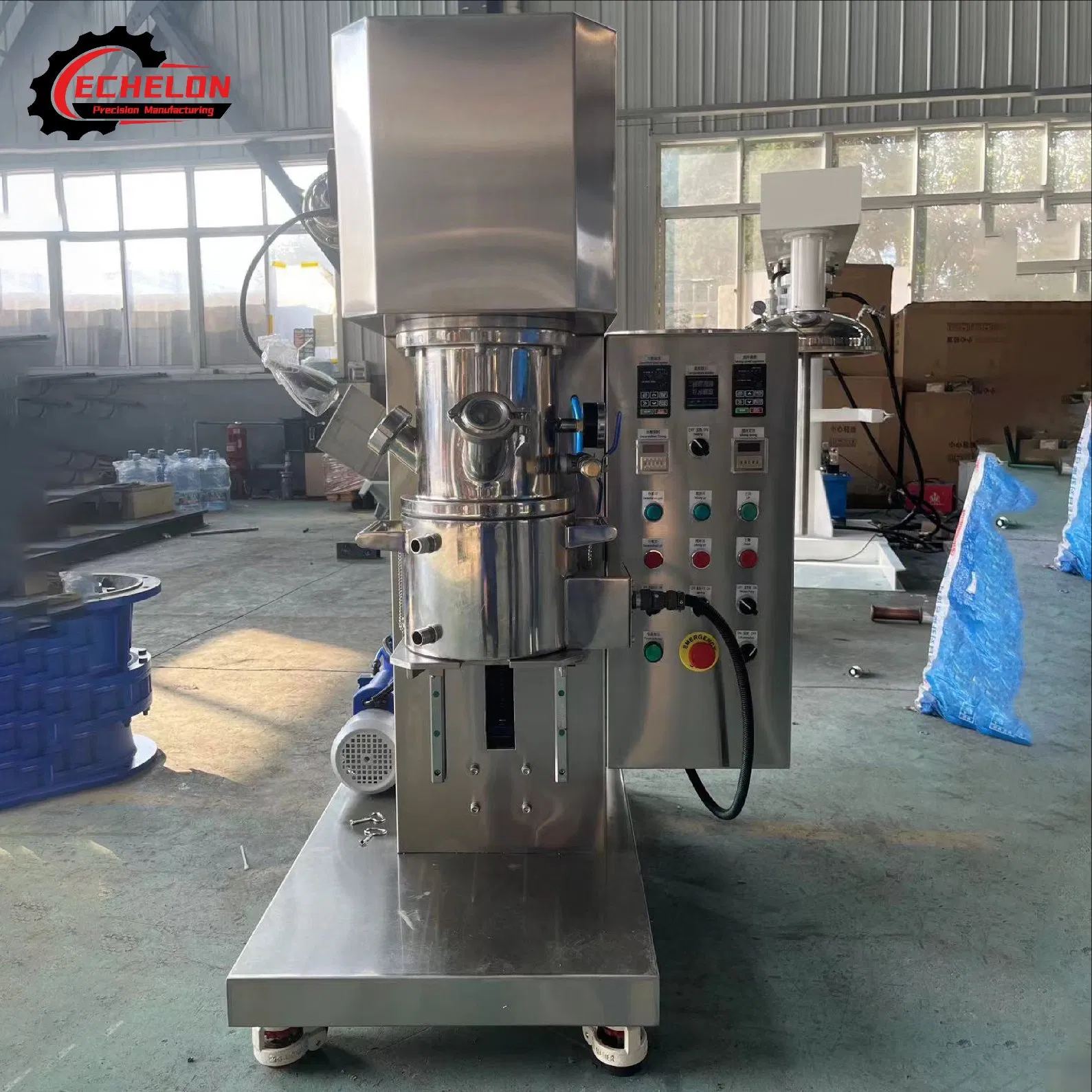
PLC Controlled High Efficiency Silicone Sealant Double Planetary Machine Vacuum Mixer

Additional Capabilities: Vacuum
After-sales Service: Engineers Available to Service Machinery Overseas, Online Support, video Technical Support
Application: Granules, Liquid, Powder, Viscous Fluid

Product Description

📋
Basic Information
Model NO.
DH-11
Application Area
Agricultural Chemicals, Chemical, Daily Chemical, Food, Pharmaceutical
Certification
CE, ISO
Condition
New
Control System
Button Control
Cooling Method
Water Cooling
Heating Method
Thermal Oil Heating
Main Material
Carbon Steel, Stainless Steel
Mixing Capacity
≤10L
Speed Control
Variable Speed
Vacuum Degree
- 0.098MPa
Viscosity Range
100cps-10000000cps
Accuracy
±0.5℃
Paddle Material
Stainless Steel (304/316L)
Capacity Range
1L-10000L+
Origin
China
⚙️
Product Description
PLC Controlled High Efficiency Silicone Sealant Double Planetary Machine Vacuum Mixer

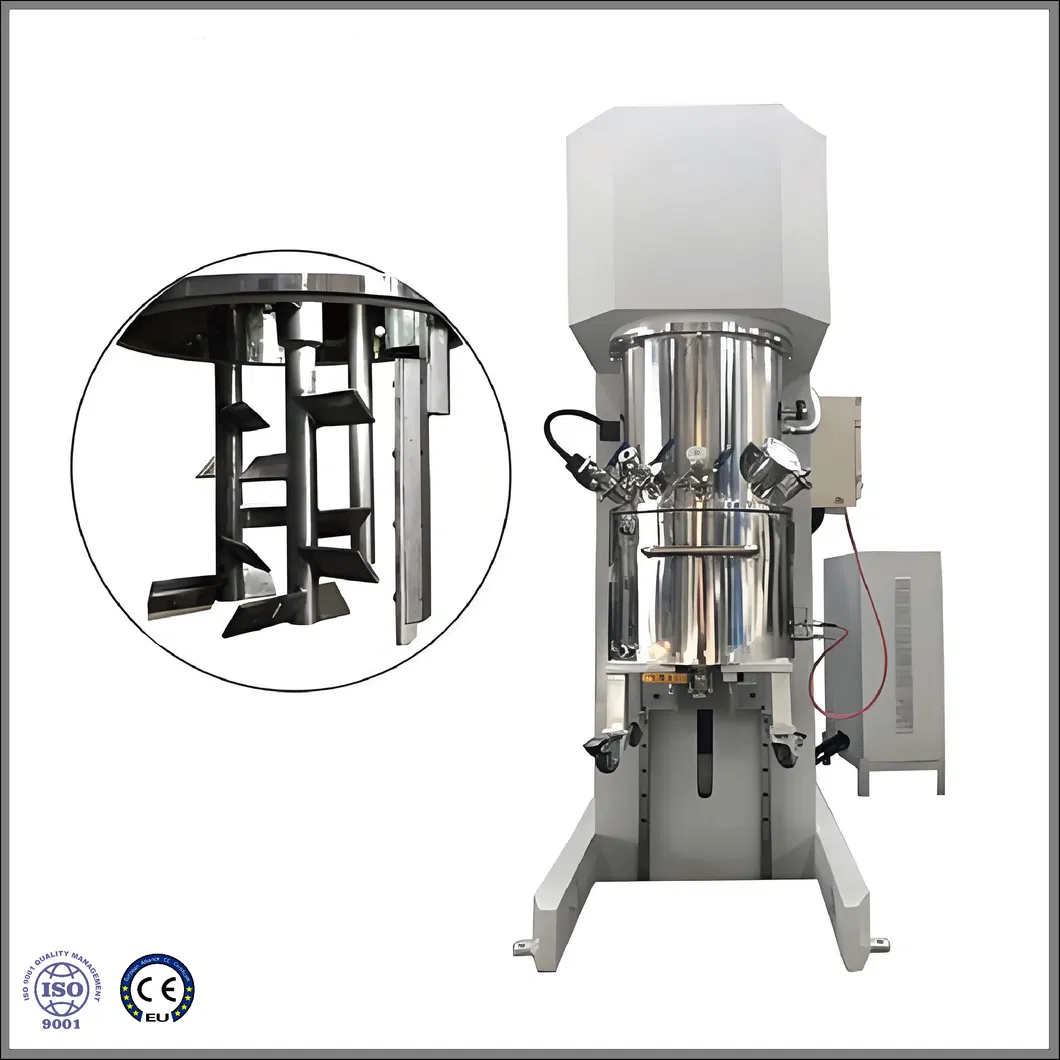
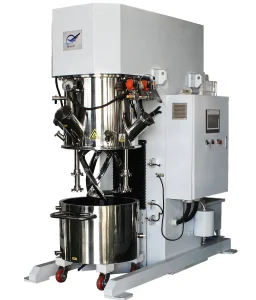
The dual planetary power mixer is an instrument used for material dissolution, mixing, kneading and reaction processes. It is particularly suitable for materials from powder to high viscosity and high density. Different stirring paddles (such as twist frame type and multi-blade type) can be selected according to different production processes and material characteristics.

Application Fields: Suitable for polymer lithium ion battery liquid, electronic electrode slurry, adhesive, mold glue, silicone sealant, polyurethane sealant, anaerobic adhesive, ink, pigment, cosmetics, ointment, and other electronic, chemical, food, pharmaceutical, and building materials industries.
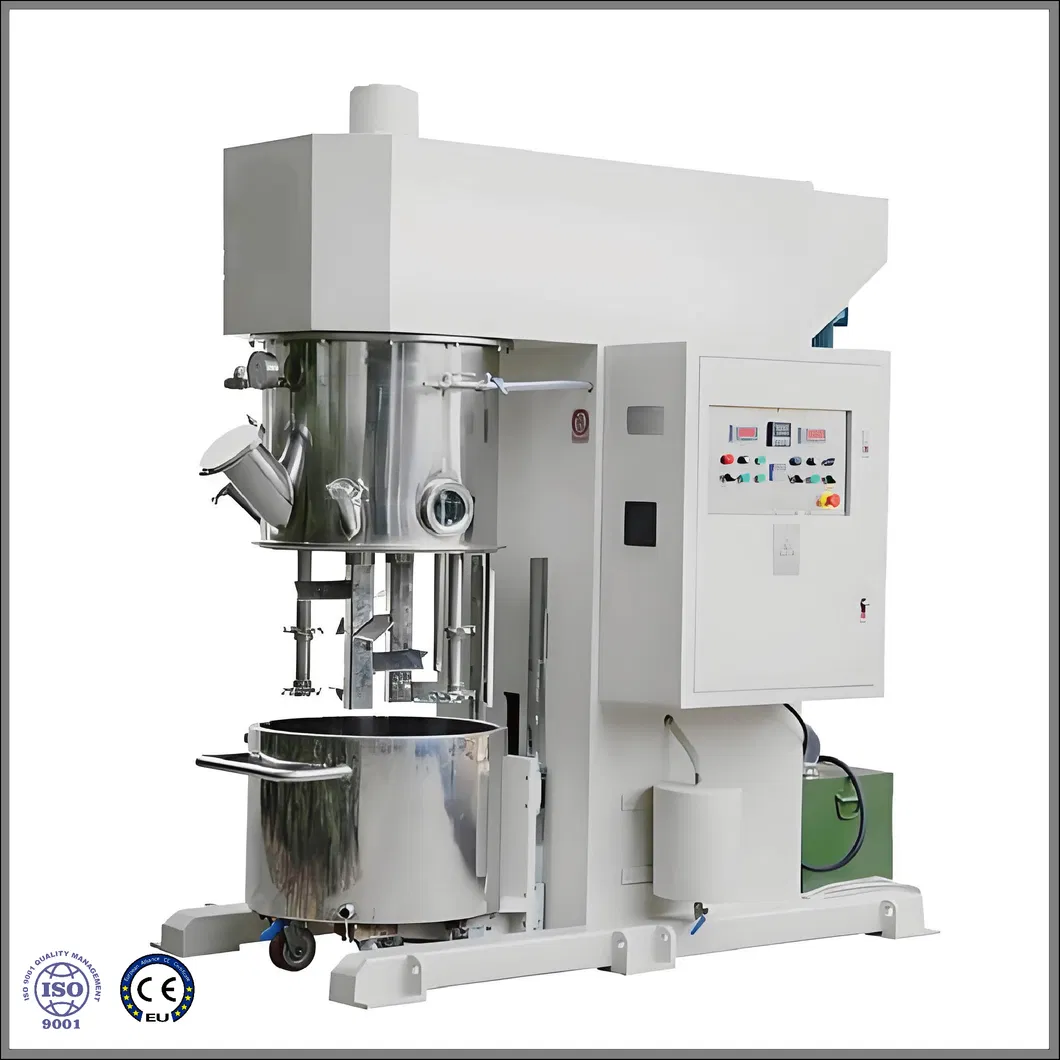
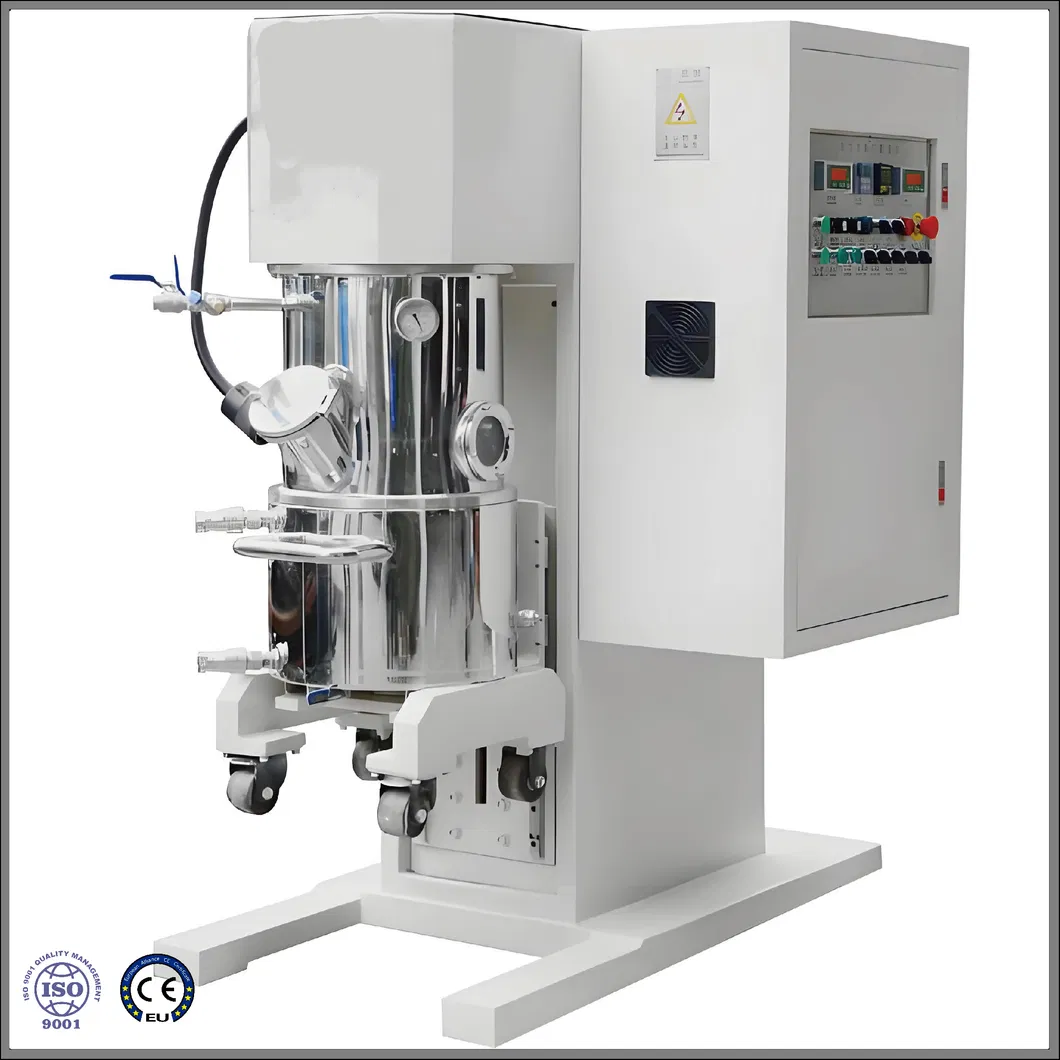
Vacuum Mixer Detail
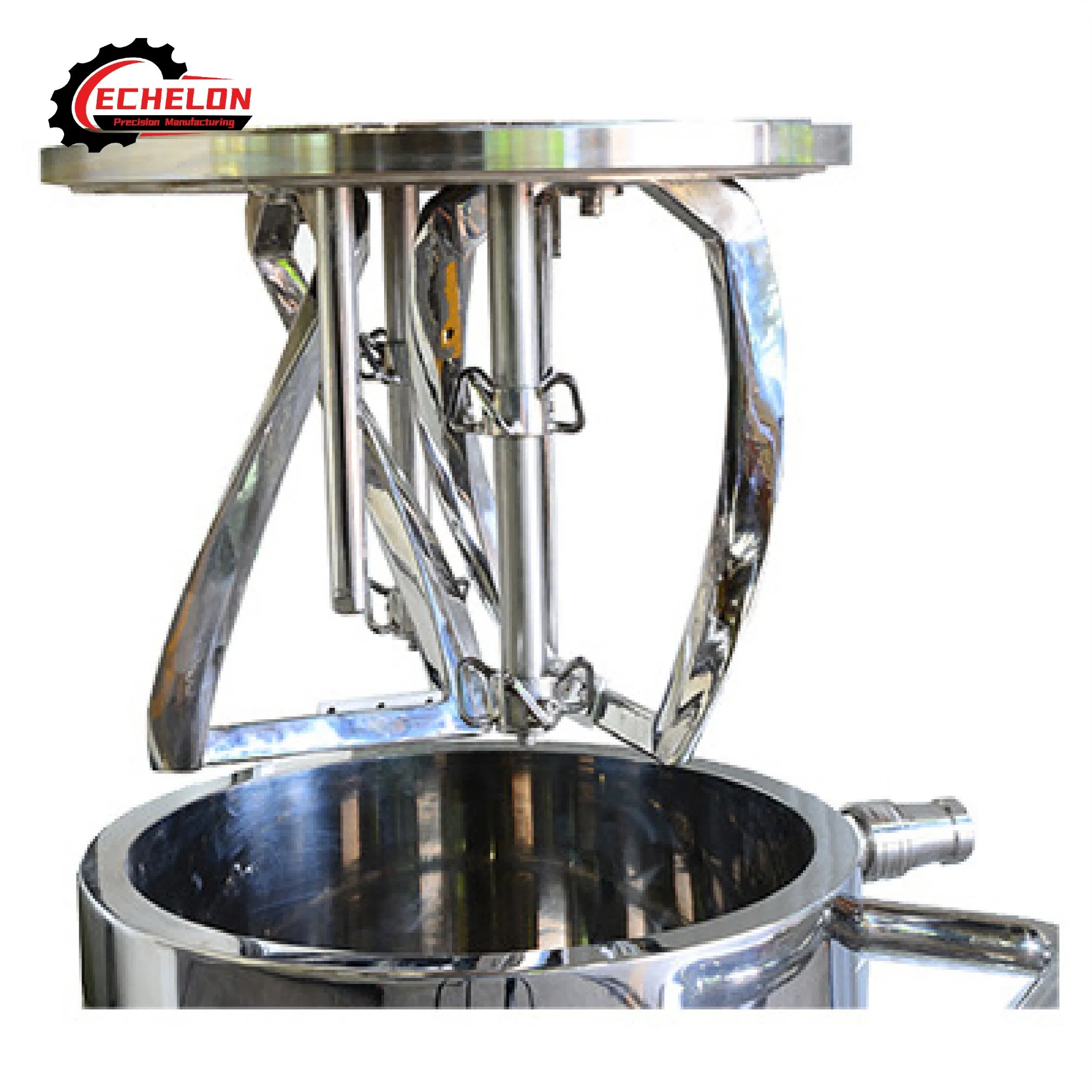
Internal Structure

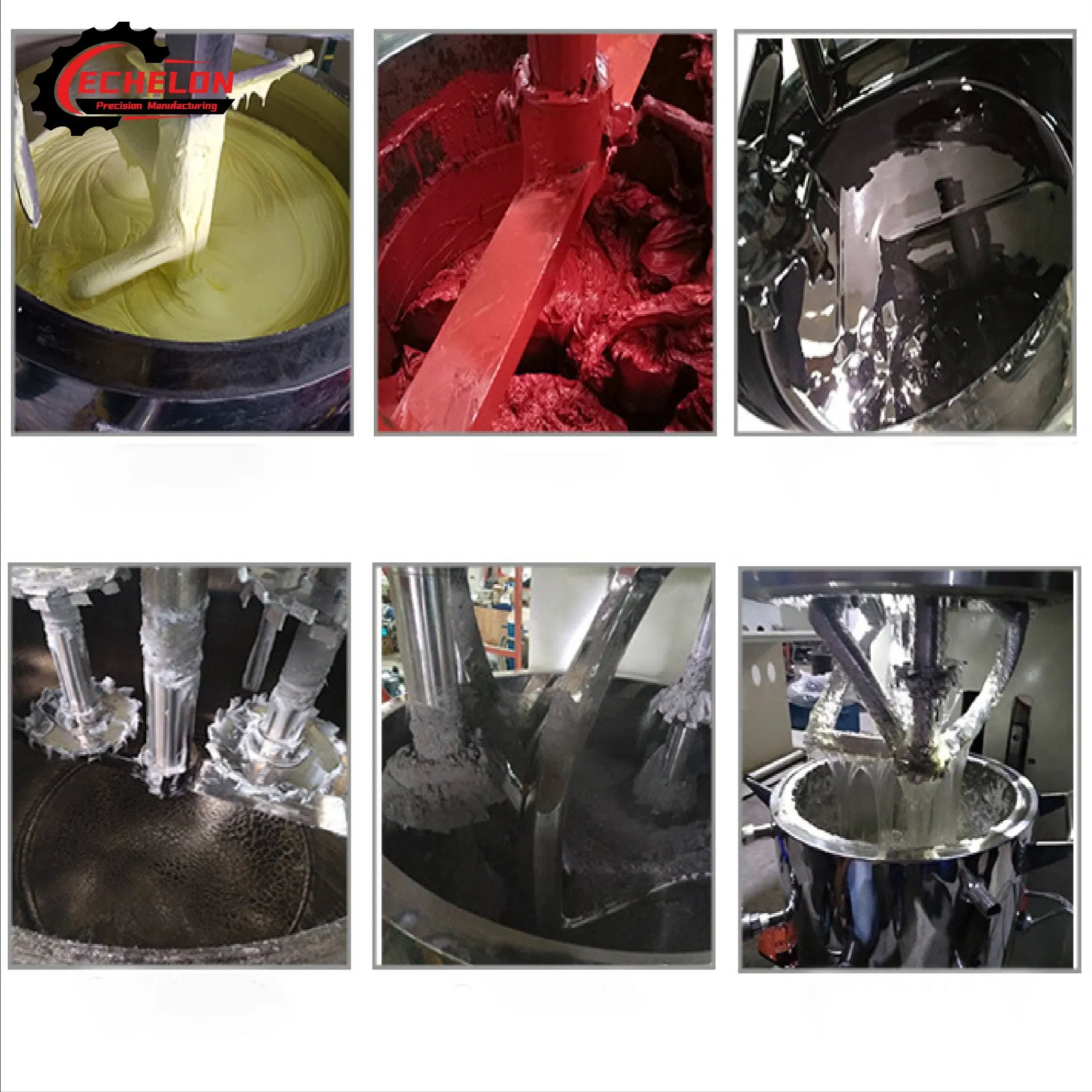
Working Principle: The mixer is equipped with low-speed stirring and high-speed dispersing components. The low-speed component adopts planetary gear transmission, where the paddle rotates while revolving, moving material up, down, and around. The high-speed component revolves with the planetary frame while rotating rapidly, providing strong shearing and dispersion.

📊
Technical Specifications
Model Design Volume (L) Working Volume (L) Cylinder Size (mm) Stirring Power (KW) Revolution (rpm) Rotation (rpm) Dispersion Power (KW)
EC-132φ180*1200.750-650-1700.75
EC-32015φ320*2502.20-650-1703
EC-57050φ480*4005.50-650-1707.5
EC-7260200φ780*550110-300-9515
EC-10500400φ950*750300-300-6537
EC-1313001000φ1300*1000450-200-4555
EC-1523002000φ1500*1300750-90-2490
🖼️
Detailed Gallery
Mixer View 1
Mixer View 2
Mixer View 3
Mixer View 4
Mixer View 5
Mixer View 6
💎
Our Advantages
High Efficiency & Energy Saving: Utilizes planetary gear transmission for rapid speed and superior mixing efficiency, reducing production costs.
🌀
Superior Mixing Effect: Employs multi-layer spiral propellers to achieve fast and uniform mixing, ensuring high-quality product output.
🌿
Environmental Protection: Features a closed mixing method to effectively reduce material scattering and air pollution.
Advantage Image 1
Advantage Image 2
Frequently Asked Questions
Q1: Compared with ordinary mixers, what are the advantages of planetary mixers?
Planetary mixers feature a unique structure where blades revolve and rotate, simulating planetary motion. This improves uniformity for high-precision materials and offers much higher efficiency than single-method mixers.
Q2: How to choose the right model according to material characteristics?
Selection depends on viscosity (high torque for rubber/sealants), composition (dispersing ability for solid particles), and production scale (flexible laboratory models vs. large-scale industrial units).
Q3: How to judge when stirring blades need replacement?
Monitor for visible wear or deformation, decreased mixing uniformity, or abnormal operational sounds. High-frequency use with abrasive materials may require replacement every few months.
Q4: What causes high temperatures during operation?
Common reasons include high material viscosity causing motor load, lubrication system issues, or failures in the cooling system (such as blocked pipes or damaged fans).
Q5: What is the cleaning process for the mixer?
Empty the material, add a suitable cleaning agent, run at low speed, rinse with clean water, and dry. Ensure appropriate safety gear is used when handling cleaning solvents.
Q6: What level of automation can be achieved?
Highly automated production is possible via PLC systems, controlling feeding, metering, stirring speed, time, temperature, and unloading with minimal manual intervention.

Related Products