Culino Kitchen
Culino Kitchen
Culino Kitchen
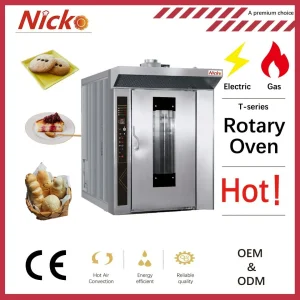
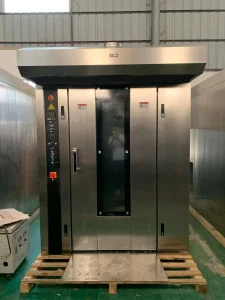
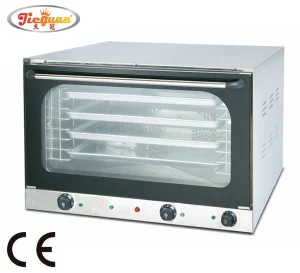
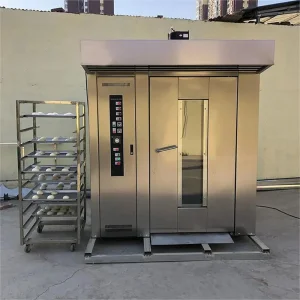
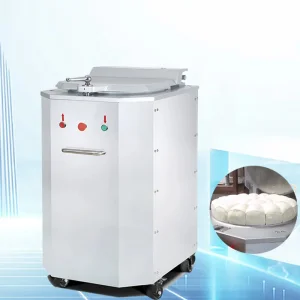
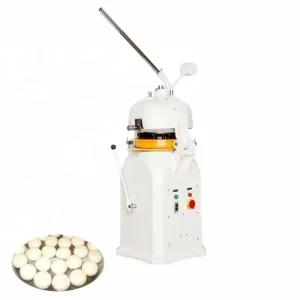
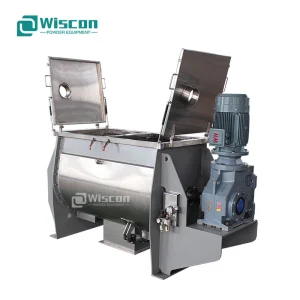
Explore our flagship food-grade automation machinery designed to streamline commercial baking, dough division, and precise industrial mixing processing operations.
The single-serve coffee packaging market has undergone rapid expansion over the last decade. As global consumer demand shifts from bulk packaging to individualized portion control, coffee capsule filling machines have transitioned from niche equipment to mainstream automated production lines. Precision dosing, high nitrogen concentration retention, and absolute hermetic sealing are now standard operations across boutique roasteries and large-scale industrial co-packers.
Modern coffee capsule packaging requires sophisticated engineering. A standard capsule filling machine operates at the intersection of precise powder dosing (retaining a tolerance within ±0.1g), robust MAP (Modified Atmosphere Packaging) execution ensuring residual oxygen level drops below 1%, and high-integrity sealing (thermo-heat or ultrasonic). This report reviews top-tier global manufacturers, details technical challenges, and analyzes the cost and efficiency dynamics of China's modern packaging machinery supply chain.
Technical buyers and production managers prioritize modular design and materials sustainability when source-selecting automated filling solutions. Current R&D efforts from market leaders focus on three major vectors:
The rise of bio-degradable, compostable, and 100% recyclable aluminum capsules requires precise temperature controls and low-impact mechanical handling. Machine configurations must allow tool-less changeover to accommodate paper-based or compostable PLA polymers without warping structural capsule walls.
Maintaining coffee aroma and freshness depends on minimizing oxidation. Advanced filling systems utilize multi-stage nitrogen purging cabinets from the hopper to the sealing station. Keeping residual oxygen under 1% guarantees shelf-life extensions up to 18 months.
Driven by independent servo motors, modern dosing augers execute real-time feed corrections based on weight-check feedback loops. This reduces product giveaway and manages density variations between light, medium, and dark roast profiles.
Foshan Culino Kitchen Co., Ltd. is a prominent manufacturer and supplier specializing in high-quality kitchenware, food processing systems, and commercial baking equipment. Located in Foshan, Guangdong Province—a leading hub for metalworking, mechanical casting, and automated control hardware—Culino operates modern production facilities featuring automated assembly lines, dedicated R&D divisions, and strict QC testing protocols.
Leveraging its expertise in food-grade stainless steel fabrication, thermal heating controls, and precision physical tooling, Foshan Culino supports the global food processing sector. By manufacturing robust industrial tools, baking oven structures, and high-tolerance kitchen storage systems, the company provides vital supply chain support to partners developing custom automated machinery lines. The integration of Foshan's component supply chain allows for rapid prototype iteration and competitive, commercial-grade equipment manufacturing.
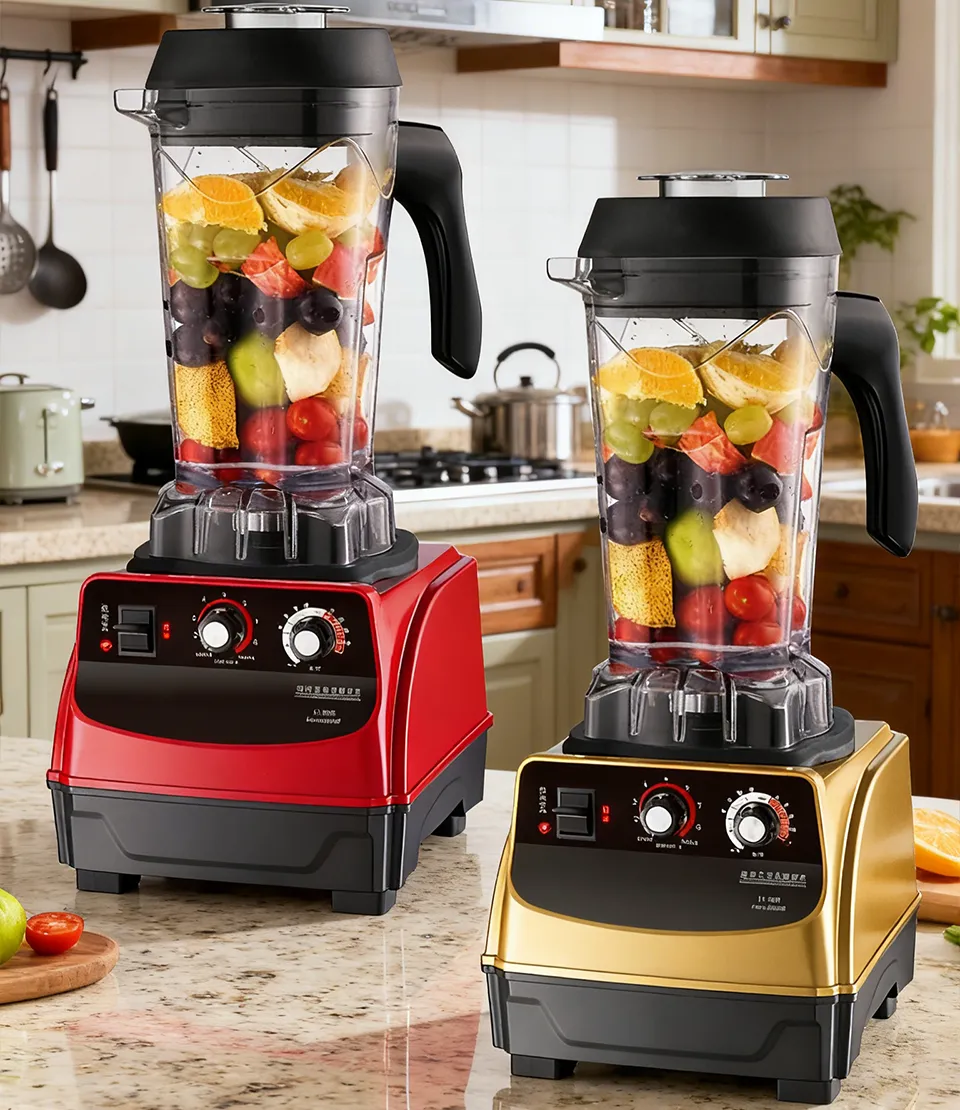
China's Factory 4.0 paradigm relies on regional industrial clusters like Foshan to maintain supply chain resilience. High-speed CNC machining, automated laser welding, and standardization of PLC control systems (such as Siemens, Omron, and Mitsubishi) allow Chinese factories to manufacture food processing and packaging systems that offer competitive price-to-performance ratios without sacrificing technical specifications.
For global coffee packaging operations, this translates to faster lead times, direct customization of capsule formats (Nespresso, K-Cup, Dolce Gusto, or compostable variants), and robust structural engineering. Foshan Culino Kitchen Co., Ltd.'s focus on engineering precision, hygienic materials selection (using SUS304/SUS316L stainless steel), and reliable quality control represents the manufacturing standards of modern Chinese industrial factories.
Selecting the right manufacturing partner requires evaluating machine speed (output per minute), format compatibility, O2 preservation capability, and local technical support. Below is an analytical review of the top 10 machinery manufacturers globally.
IMA Coffee (a division of IMA Group) provides some of the most advanced high-speed single-serve packaging equipment worldwide. Covering every step of processing, from roasting and grinding to capsule filling and final cartoning, IMA is a major player in Nespresso and K-Cup packaging automation. Their machines feature modular linear indexing layouts, highly precise dosing controls, and integrated gas purging cabinets.
Optima Consumer is a German manufacturing group recognized for high-performance dosing and filling systems. Their coffee capsule systems range from entry-level monobloc configurations to high-throughput multi-lane production lines. Optima's machines are preferred by large-scale co-packers due to their integrated check-weighing systems, which dynamically adjust dosing screws to maintain high accuracy.
Syntegon provides versatile packaging solutions with a focus on hygiene and automation compatibility. Their equipment designs utilize clean-in-place (CIP) and sterilize-in-place (SIP) principles, making them suitable for organic-certified roasters. Syntegon's systems are known for gentle capsule handling, reducing cosmetic defects on aluminum capsules.
Spreafico specializes in mechanical-driven and pneumatic-assisted capsule filling machinery. Their systems are popular for their straightforward mechanical operations, which simplify maintenance and part changeover processes. Spreafico utilizes high-flow nitrogen injections to ensure residual oxygen levels remain consistently below 1.5%.
Rychiger AG is a Swiss packaging machinery manufacturer focusing on advanced, high-performance filling systems. Utilizing linear transport configurations, their machines allow for the integration of secondary inspections, such as laser vision systems for seal verification and weight-check units. Rychiger systems are built for long operational cycles in 24/7 industrial production environments.
Romiter Machinery manufactures versatile rotary and linear coffee capsule filling machines. Popular with growing roasteries and regional co-packers, their machinery is recognized for combining touch-screen PLC operations with cost-effective tooling changes. This allows operators to run different capsule formats on a single piece of equipment with minimal mechanical adjustment.
Cama Group provides robotic end-of-line packaging systems, including cartoning and case-packing machinery designed specifically for coffee capsules. Cama's delta robots organize, stack, and place filled capsules into retail boxes at high speeds, allowing primary filling units to operate at maximum throughput capacity.
Ilpra's Fill Seal series offers flexible configurations for small-to-medium-scale capsule filling projects. Known for high-quality sealing station engineering, their machines feature mechanical cam operations that deliver consistent sealing pressure, reducing the rate of micro-leaks in finished products.
Sanovo focuses on hygienic design and stainless steel construction for food processing machinery. Their capsule equipment lines utilize clean-in-place configurations and dust extraction systems to keep dosing zones clear of coffee particulate, improving sealing reliability.
Foshan Culino leverage local precision manufacturing ecosystems to provide customized food processing and auxiliary packaging solutions. Known for robust structural designs and competitive pricing, their machines feature touch-screen PLCs, quick-change tooling heads, and food-grade stainless steel surfaces. This combination makes their equipment well-suited for medium-scale manufacturers looking to scale up production.
Production requirements vary widely depending on the scale and target market of the coffee packaging operation. Below are two common deployment profiles.
Volume: 10,000 - 50,000 capsules per week.
Priority: Flexible changeover between single-origin coffee runs, small footprint, and low-waste dosing.
Recommended Setup: Rotary single-lane monobloc filling machines. These systems offer quick format changeover (under 30 minutes) and require less floor space, making them suitable for facility-constrained operations.
Volume: 1,000,000+ capsules per week.
Priority: Continuous 24/7 operation, minimal residual oxygen levels, and high OEE rates.
Recommended Setup: Multi-lane linear indexing machines (4 to 12 lanes) with integrated case packers and inline dynamic checkweighers. These systems feature automated roll-stock lidding, ultrasonic sealing, and enclosed nitrogen tunnels to maintain high productivity.
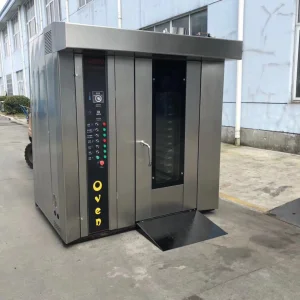
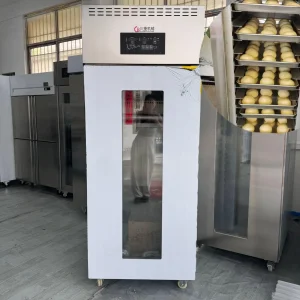
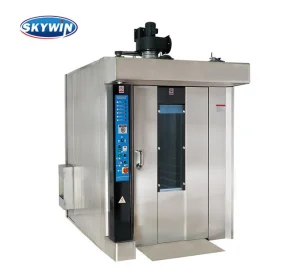
From heavy-duty rotary rack ovens to automatic temperature-controlled proofers, our equipment is designed to meet strict industrial food-safety standards.