Culino Kitchen
Culino Kitchen
Culino Kitchen
Precision engineering systems engineered for high throughput, commercial bakery execution, and robust automated packaging workflows.
A technical examination of hermetic sealing requirements and production-line automation trends driving the global packaging sector.
In modern industrial manufacturing, the packaging phase is a critical determinant of product integrity, shelf-life preservation, and consumer safety. Among these, the can seaming machine represents the apex of mechanical reliability for metal, plastic, and composite container sealing. The process of double seaming—mechanically interlocking the flange of the can body with the curl of the end—forms a hermetic seal impervious to gases, moisture, and microbial contamination. Worldwide B2B demand is increasingly shifting towards fully automated, high-velocity, and highly flexible seaming configurations.
Across Europe, North America, and emerging economies in Southeast Asia, the beverage, processed food, and chemical industries are undergoing a massive transition. The drive toward sustainability has positioned aluminum and tinplate cans as preferred circular packaging formats over single-use plastics. However, seaming metallic substrates requires extreme mechanical precision. Even a fractional deviation of 0.02mm in the seam thickness, body hook, or overlap can lead to micro-leakage, compromising products like ready-to-drink coffee, infant formula, gas-purged snacks, or even highly volatile industrial chemical products.
The double seaming process is executed in two consecutive operations. The 1st operation roll curls the end flange over the body flange. The 2nd operation flattens the resulting seam to compress the sealing compound within the seam structure, ensuring an airtight seal. Advanced manufacturers utilize PLC controllers to dynamically adjust roll profiles, preventing standard seam defects such as sharp seams, false seams, and droops.
B2B buyers, food processing plants, and packaging developers demand systems that offer rapid changeover times between different can diameters (e.g., from standard 211 cans to sleek 204 or 202 cans). This requires modular seaming stations, hard-chromed tool steels, and integrated gas-flushing systems (like nitrogen injection) to reduce residual oxygen levels to less than 1.5%.
Integrating professional kitchen engineering, industrial dough preparation, and canning packaging systems under one roof.
Operating out of the globally recognized industrial manufacturing cluster of Foshan, Guangdong Province, Foshan Culino Kitchen Co., Ltd. has established itself as an innovative force in commercial food preparation and food processing equipment. Benefitting from the region's robust metallurgical, automated machining, and electronic component supply chains, Culino Kitchen operates modern production facilities featuring advanced CNC machining centers, automated laser cutters, and precise quality verification laboratories.
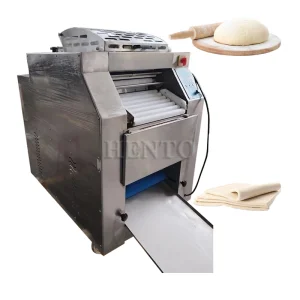
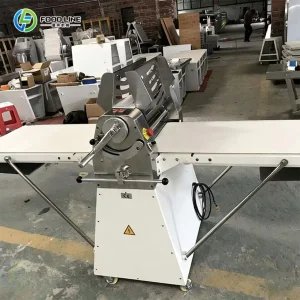
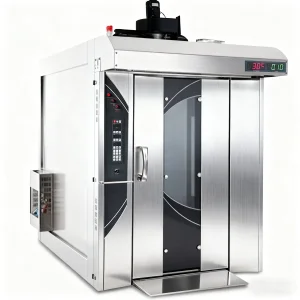
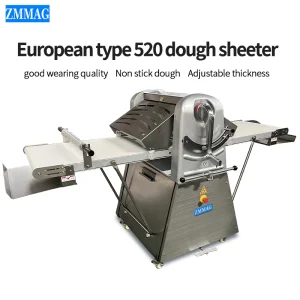
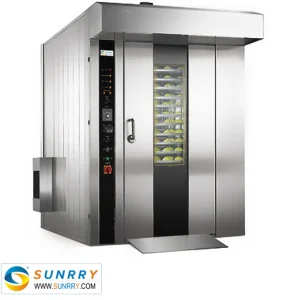
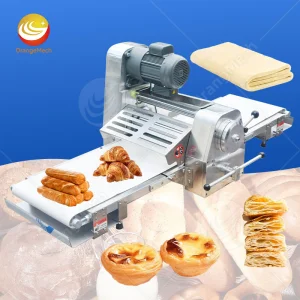
While originally recognized for high-performance commercial kitchenware, storage systems, and specialized food preparation components, Culino Kitchen’s extensive R&D investments have enabled a complete expansion into automated B2B processing lines. From high-capacity dough processing units like the *32-Tray Professional Biscuit Rotary Rack Oven* and *Heavy-Duty Adjustable Rollers Dough Sheeter* to custom mixing systems and automated canning and seaming layouts, we supply comprehensive, turn-key processing systems to food manufacturers worldwide.
Equipped with advanced multi-axis CNC machines and automated laser metal cutting, ensuring tolerances of less than 0.01mm on critical components like seaming rollers, chucks, and drive shafts.
Integrated design methodologies using CAD/CAM systems. R&D focuses on thermal dynamics, mechanical fatigue optimization, and touch-screen PLC automation to streamline B2B plant operations.
Strict quality control protocols. Each piece of machinery—whether a high-output can seamer or an intelligent fermentation cabinet—undergoes dynamic load testing and durability checks.
How localized supply chains, manufacturing economies of scale, and tech integration reduce global TCO (Total Cost of Ownership).
When procuring high-capacity manufacturing equipment, global B2B buyers must weigh up-front investment against expected long-term operational costs. China-based manufacturers, specifically those in the industrial zones of Guangdong, offer distinct structural advantages that yield a highly favorable return on investment.
The first core advantage is the unrivaled supply chain density. In Foshan, materials like food-grade SUS304 and SUS316 stainless steel, heavy-duty pneumatic actuators, and electronic control modules are sourced from local suppliers within a 50-kilometer radius. This geographic concentration drastically reduces raw material lead times and transportation costs, allowing factories to pass these savings on to international distributors and industrial end-users.
Secondly, the integration of automation in China's manufacturing plants has evolved. By utilizing advanced robotic welding systems, automated vertical storage, and precision milling centers, we minimize human-error variances. This achieves consistent component repeatability, which is critical for equipment like double planetary mixers and dough sheeters that operate continuously under high stress.
| Performance Metrics | Guangdong Factory Integration | Traditional Western Manufacturers | Impact on B2B Procurement |
|---|---|---|---|
| Lead Time (Std. Models) | 25 - 35 Days | 60 - 90 Days | Rapid scaling and immediate production deployment. |
| Customization Level (OEM/ODM) | High (Tailored PLC/Chucking Tools) | Restricted to pre-built catalog formats | Adapts directly to localized package shapes & power limits. |
| Initial Capital Expenditure | Highly Competitive (Optimized Supply Chain) | Premium pricing (High overhead costs) | Fast CapEx amortization and higher liquidity for operations. |
| Component Accessibility | Global standard parts (Siemens, Omron) | Proprietary components | Simplified local maintenance and reduced downtime. |
How different sectors utilize automated dough processing, industrial mixing, and seaming systems to scale production.
Industrial machinery cannot operate in isolation; it must integrate seamlessly with existing upstream and downstream systems. Below, we examine the primary application scenarios where our technology and food preparation equipment are deployed to increase factory efficiency.
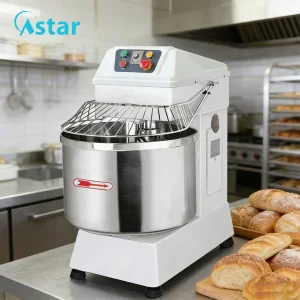
Large-scale bakeries require continuous dough preparation. Utilizing heavy-duty adjustable rollers dough sheeters and high-capacity spiral mixers ensures consistent hydration and gluten development. Once proofed in our intelligent multi-tray fermentation cabinets and baked in rotary rack ovens, products are fed into automated packaging lines. For specialized confectionery items, hermetically seamed tin containers protect the products from humidity, extending shelf life.
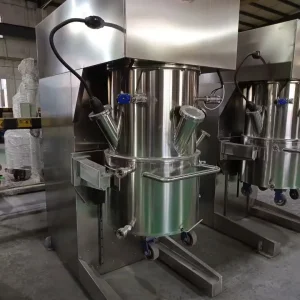
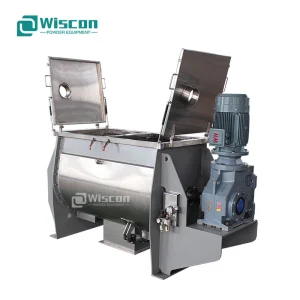
Industrial applications require heavy-duty mixing and tight sealing. Our double planetary mixers are designed for high-viscosity materials like epoxy resins, industrial sealants, and cosmetics. Once blended, these viscous materials are packaged into metal cans or tubes, requiring heavy-duty seaming machines to prevent chemical leakage, outgassing, or curing from atmospheric exposure.
In automated canning lines, speed and hygiene are paramount. The cans must be filled and seamed in a synchronized, continuous process. Our machinery utilizes food-safe stainless steel components, quick-wash profiles, and automated seaming chucks to ensure that food items are hermetically sealed at speeds up to 120 cans per minute. This prevents microbial entry prior to autoclave sterilization.
The technological innovations shaping the future of packaging automation and industrial food processing.
The manufacturing sector is entering a new era driven by digital automation, predictive maintenance, and sustainability. As a forward-looking manufacturer, Foshan Culino Kitchen Co., Ltd. continuously monitors and integrates these global trends into our machinery designs:
1. IoT-Enabled Diagnostic Systems & Smart PLCs: Modern production lines cannot afford unscheduled downtime. The integration of IoT sensors on rotary shafts, seaming rollers, and heating elements allows for real-time monitoring of vibration, temperature, and torque. These parameters are fed into PLC control interfaces, alerting maintenance teams before mechanical failures occur.
2. Clean-in-Place (CIP) & Sanitary Washdown Designs: With stricter global food safety standards, modern machinery is designed with sanitary washdown features in mind. The elimination of flat horizontal surfaces, exposed threads, and hard-to-clean crevices prevents food particles from accumulating, reducing sanitation washdown times by up to 40%.
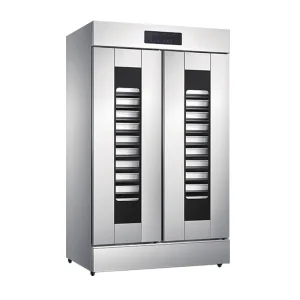
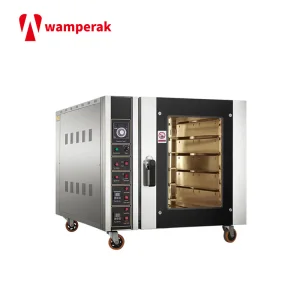
3. Eco-Friendly Thermal Solutions: Energy efficiency is key to modern manufacturing. Equipment like our 36-tray fully automatic intelligent proofing cabinets and gas-fired convection ovens utilize high-density polyurethane insulation and optimized thermal airflow patterns, reducing energy consumption and operating costs.
Key technical specifications, material selections, and power options for global industrial buyers.
Industrial machinery represents a long-term capital investment. To assist procurement teams in making informed decisions, we have compiled the core technical criteria for evaluating food preparation and packaging equipment:
| Equipment Category | Primary Material Standard | Critical Parameters to Evaluate | Recommended Applications |
|---|---|---|---|
| Industrial Can Seaming Systems | Stainless Steel 304/316, hardened tool steel rollers | Cans Per Minute (CPM), Can Diameter Range, Seam Overlap %, Residual Oxygen Levels | Beverage canning, canned foods, pet food, dry powders, industrial chemicals |
| Commercial Dough Sheeters | Chromed heavy-duty rollers, food-grade belt systems | Roller width (e.g. 520mm), adjustable thickness range (0.5 - 40mm), safety guards | Croissants, puff pastry, artisan bread dough, laminated dough systems |
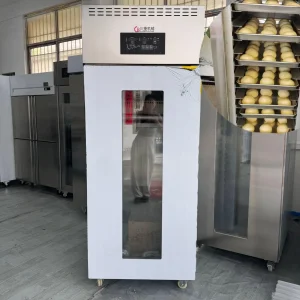
| Intelligent Proofing Cabinets | Dual-layer SUS304, high-density PU insulation | Temperature range (2°C - 40°C), humidity control precision, tray capacity (32/36 Trays) | Large-scale bakeries, yogurt fermentation, continuous dough line proofing |
| Double Planetary Mixers | Thick-plate SUS304, vacuum-sealed tank hoods | Viscosity capacity, planetary/high-speed disperser ratios, temperature sensors | Epoxy resin, industrial adhesives, silicone sealants, heavy batter preparation |
Our technical team works closely with global buyers to customize voltage requirements (e.g., 220V/50Hz single phase, 380V/415V three-phase systems), adjust PLC language configurations, and manufacture custom tooling to fit regional package profiles.
Expert answers to common operational questions, maintenance tips, and B2B sourcing inquiries.
Explore our full line of bakery ovens, dough processing equipment, and specialized storage components.
Connect with our engineering specialists. Get custom project estimates, technical drawings, and factory direct quotes.
Contact Our Technical Sales Team