Culino Kitchen Culino Kitchen

How to Ensure Safe Maintenance of Bakery Ovens?

Time:2026-05-03 Author:Amelia
0%

In the bustling world of baking, safety is paramount. Bakery ovens are essential tools, yet they can pose significant risks if not maintained properly. According to a report by the National Fire Protection Association, an estimated 49% of fires in commercial kitchens are due to equipment failure. Understanding how to maintain bakery ovens safely is crucial for minimizing these hazards.

Regular maintenance is not just about keeping ovens clean. It involves checking for gas leaks, testing safety valves, and ensuring adequate ventilation. Industry standards dictate that ovens should be inspected at least once a year. This ensures optimal performance and extends the lifespan of equipment. Ignoring these practices can lead to costly repairs or accidents.

Bakers must prioritize training their staff on oven safety. Even with safety mechanisms in place, human error can occur. A report from the Occupational Safety and Health Administration indicates that about 5,000 injuries occur in the food preparation sector each year. By learning how to maintain bakery ovens safely, bakery operators can foster a culture of safety that protects their employees and business.
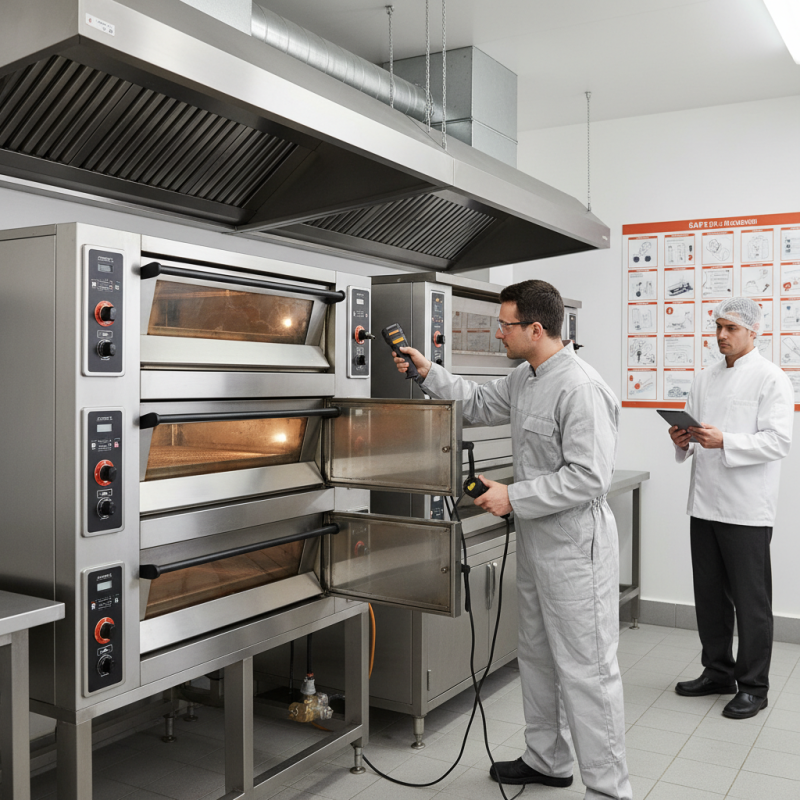
How to Ensure Safe Maintenance of Bakery Ovens?

Understanding the Basics of Bakery Oven Maintenance Safety

Proper maintenance of bakery ovens is crucial for ensuring safety in the workplace. Understanding the basics can significantly reduce risks. Regular inspections of the ovens help identify issues early. Look for loose wires or signs of wear. These problems can escalate quickly if not addressed.

Tips: Schedule weekly checks. Use a checklist to track maintenance tasks.

When it comes to cleaning, safety is paramount. Always disconnect power before servicing. Cleaning agents can be hazardous. Ensure proper ventilation when using chemicals. A mask and gloves are essential to protect yourself.

Tips: Use eco-friendly cleaners. They are safer for both you and the environment.

Training staff on maintenance safety is vital. All employees should know how to operate the ovens safely. Conduct regular training sessions. Share experiences about potential hazards. This fosters a culture of safety and awareness.

Tips: Encourage open discussions about safety concerns. Create an environment where everyone feels comfortable sharing.

Identifying Common Hazards in Bakery Ovens

Bakery ovens are essential for producing delicious baked goods, but they also come with hazards that need addressing. High temperatures are a primary concern. Bakers can easily suffer burns if they are not careful. It's crucial to wear protective gear like heat-resistant gloves.

Another significant risk is the buildup of flour dust. This fine powder can create explosions in certain conditions. Regular cleaning is vital to prevent this hazard. Keep surfaces clean and dry to minimize risks.

Electrical components in ovens present a different challenge. Cords and connections can wear out over time, leading to shock hazards. Inspect these regularly to ensure they are in good condition. Proper maintenance is critical, but it can often be overlooked. Bakers must stay vigilant to these dangers. Taking small steps now can prevent severe accidents later.

Common Hazards in Bakery Ovens

Essential Safety Equipment for Oven Maintenance Tasks

Maintaining bakery ovens is a critical task that requires careful attention to safety. Essential safety equipment plays a key role in ensuring a safe working environment. According to industry studies, workplace injuries related to oven maintenance account for approximately 20% of all bakery accidents. This highlights the importance of using the right safety gear.

One fundamental piece of equipment is heat-resistant gloves. These gloves protect hands from burns while handling hot components. Data indicates that 30% of burn incidents could be prevented if proper gloves are worn consistently. Additionally, using safety goggles can prevent serious eye injuries caused by splashes or flying debris during maintenance tasks. In fact, the American Baker’s Association states that eye protection can reduce injury rates by nearly 40%.

Another crucial item is non-slip shoes. While they may seem simple, these shoes can greatly decrease the risk of falls in a bakery, where spills are common. Reports show that slip and fall incidents make up 15% of all injuries in food service environments. Regular training on personal protective equipment (PPE) usage is also essential. A lack of training can lead to a 25% increase in equipment misuse, resulting in accidents that could otherwise be avoided.

Step-by-Step Procedures for Safe Maintenance of Bakery Ovens

Maintaining bakery ovens requires careful attention to safety procedures. Start by ensuring that the oven is disconnected from power. This step is critical to prevent any accidental starts. Conduct a thorough visual inspection for any signs of wear or damage. Look closely at the electrical cords and heating elements. Small issues can quickly escalate into larger problems.

Before deep cleaning, gather the necessary tools. A brush, scraper, and non-abrasive cleaner can make the process easier. Cleaning should occur regularly to prevent grease buildup. This not only enhances efficiency but also reduces fire hazards. While cleaning, take note of any unusual noises or odors. These could indicate deeper mechanical issues.

After maintenance, always conduct a test run. Observe the oven’s performance closely. Is the heat distribution even? Are temperatures stable? If not, this could signal the need for further troubleshooting. Document any findings for future reference. This can help identify patterns and prevent issues from arising.

Even routine tasks deserve reflection. Every maintenance session teaches us more about the equipment we rely on daily.

Routine Inspections and Preventive Measures for Oven Safety

Routine inspections and preventive measures are crucial for maintaining bakery ovens safely. According to a report from the National Fire Protection Association (NFPA), more than 30% of cooking equipment fires originate from ovens. Regular inspections can help identify potential issues before they escalate. Scheduling monthly professional check-ups ensures that all components function properly and that there are no gas leaks or electrical malfunctions.

Preventive measures play a key role in oven safety. Cleaning is essential. A study indicated that about 40% of bakery incidents stem from grease buildup. Establishing a strict cleaning schedule can significantly reduce these risks. Using appropriate tools and following safety guidelines during cleaning can prevent injuries and accidents. Additionally, staff training on proper maintenance practices is often overlooked. Educated employees are less likely to make errors that could lead to unsafe conditions.

While these practices appear straightforward, many bakeries still struggle with consistency. Some businesses only perform inspections when issues arise, rather than adhering to a proactive approach. This reflects a need for reflection on their safety protocols. Evaluating and improving routine maintenance can enhance overall safety, ensuring a secure working environment for all bakery staff.

FAQS

: Why is maintenance of bakery ovens important?

: Proper maintenance ensures safety, reduces risks, and helps identify issues early.

How often should ovens be inspected?

Schedule weekly checks to catch any potential problems early.

What should you do before cleaning an oven?

Always disconnect power to ensure safety while cleaning.

What safety gear is essential for oven maintenance?

Heat-resistant gloves, safety goggles, and non-slip shoes are crucial for protecting against injuries.

How do heat-resistant gloves help during maintenance?

They protect hands from burns while handling hot oven parts.

What percentage of burn incidents can be prevented by wearing gloves?

Data indicates that 30% of burn incidents could be prevented with consistent use of gloves.

Why use eco-friendly cleaners?

They are safer for both you and the environment during maintenance tasks.

How can training improve oven maintenance safety?

Regular training fosters awareness and helps prevent accidents by educating staff on risks.

What contributes to slip and fall incidents in bakeries?

Spills and lack of non-slip shoes increase the risk of falls significantly.

How can sharing experiences improve safety culture?

Open discussions about hazards encourage a comfortable environment for sharing safety concerns.

Conclusion

To ensure safe maintenance of bakery ovens, it is crucial to understand the fundamental principles of oven maintenance safety. This includes recognizing common hazards such as burns, electrical risks, and mechanical failures that can arise during maintenance tasks. Equipping maintenance personnel with the essential safety gear, including gloves and goggles, further enhances safety.

A systematic approach is necessary when addressing how to maintain bakery ovens safely. Following step-by-step procedures for tasks such as cleaning, inspecting, and repairing ovens helps mitigate risks. Regular routine inspections and implementing preventive measures are also vital to maintain oven safety and functionality over time, ensuring a safe working environment and prolonging the lifespan of the equipment.

Amelia

Amelia

Amelia is a seasoned marketing professional with a wealth of expertise in our company’s core offerings. With an unwavering passion for driving growth and innovation, she plays a pivotal role in shaping our marketing strategies and enhancing brand visibility. A key aspect of her responsibilities......