A busy commercial kitchen can lose food quietly: a tray of untouched vegetables, trim left beside the cutting board, or soup forgotten in the walk-in. These small losses add up in purchasing costs, labor, and disposal. In 2026, how to reduce food waste in commercial kitchens is not just an environmental question. It is a daily operating challenge. Dana Gunders, a food-waste expert and ReFED leader, has said, “Food waste is a solvable problem.” The practical test is whether teams can see what they are throwing away and change routines accordingly.
This guide looks at the work behind that change: measuring waste, forecasting demand, storing ingredients well, refining preparation, and finding safe uses for suitable surplus. A simple waste log can reveal patterns, such as overproduced rice after lunch or greens spoiling before Friday service. Small adjustments matter. But they are not magic. Staff need clear procedures, usable data, and time to follow them. A log no one reviews is just paperwork. Kitchens also differ in menus, equipment, and customer flow, so a fix that works in one operation may fail in another. Some waste will remain; the goal is to understand it and reduce what can reasonably be prevented. The sections ahead offer a practical framework, while leaving room for teams to test, measure, and revise their approach.
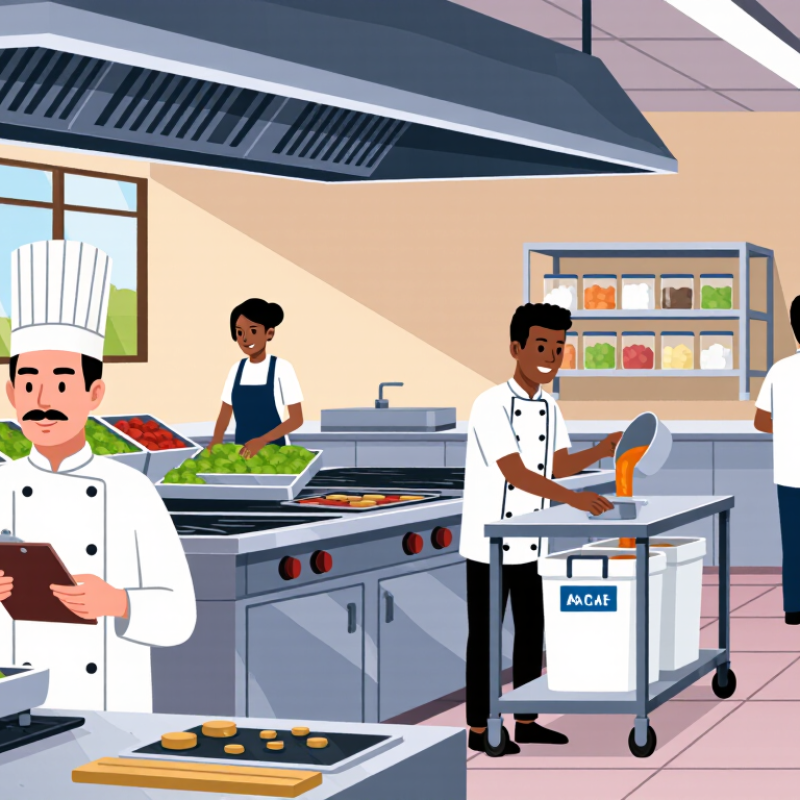
Measure Food Waste and Identify Its Main Sources
Reducing Food Waste in Commercial Kitchens in 2026
Reducing food waste in a commercial kitchen starts with evidence, not assumptions. In 2026, managers can combine digital logs with a simple labeled weighing station. Keep it visible. For seven consecutive service days, weigh preparation waste, spoiled stock, overproduction, and returned portions separately. Record the date, shift, dish, weight, and likely cause. A leaking container may indicate poor storage, while full pans at closing may show inaccurate demand planning.
Patterns become useful when measurements follow the same method. Use a calibrated scale, consistent containers, and kilograms instead of volume estimates. Compare waste per 100 meals served, not only total kilograms. This prevents a busy Saturday from looking worse than a quiet Tuesday. Kitchen experience matters here. Ask cooks what happened before changing procedures. Their explanations may expose rushed prep, unclear recipes, or portions that customers regularly leave behind.
After the first week, rank sources by weight and cost. A small amount of expensive protein may deserve more attention than a larger amount of vegetable trim. Test one change at a time, such as smaller batch cooking or tighter date labeling. An honest audit may reveal inconsistent entries or forgotten bins. That is normal, but it weakens the results. Review the records weekly, correct unclear categories, and share specific findings with the team. Measurements should guide action, not become another task nobody trusts.
Plan Menus and Purchases Around Demand
Commercial kitchens reduce waste when purchasing follows actual demand, not habit. Start with three weeks of sales, reservation, and production records. Compare weekday covers, weather patterns, events, and delivery orders. A rainy Tuesday may need fewer salads, but more soup and hot drinks. Build a flexible menu with shared ingredients, such as carrots used in soup, slaw, and garnish. This keeps stock moving without making every dish taste the same.
Tips: Set purchasing levels by expected covers, then add a small safety margin. For example, prepare 80 portions for 75 expected guests, not 110. Buy delicate herbs and seafood closer to service, while storing durable grains weekly. Ask suppliers about pack sizes; oversized cases often create hidden waste. Track trim, spoilage, and returned plates separately. The numbers tell different stories.
Review the forecast each morning with the chef and front-of-house lead. If reservations fall, pause the next prep batch and adjust the menu board. Use par levels, but question them after holidays, local events, or sudden temperature changes. A simple spreadsheet can show which ingredients expire before their next planned use. I have found that accurate forecasts still miss sometimes. That is normal. Record why, then change the next order instead of blaming the team.
How to Reduce Food Waste in Commercial Kitchens in 2026?
Plan menus and purchases around demand by focusing on the food-service sector, which generated approximately 290 million tonnes of food waste globally in 2022.
Planning insight: Use reservation data, historical sales, seasonal patterns, and real-time demand signals to adjust purchasing and menu quantities. Flexible menus and smaller preparation batches can help commercial kitchens reduce avoidable waste.
Source: United Nations Environment Programme, Food Waste Index Report 2024. Figures represent estimated global food waste in 2022.
Store Ingredients and Rotate Stock Properly
In a commercial kitchen, waste often begins before cooking. Ingredients disappear behind newer deliveries, then spoil unnoticed. Store products by temperature, use, and risk. Keep raw proteins below ready-to-eat foods. Place dairy in a stable, visible zone. Dry goods need clean shelves, airflow, and protection from moisture. A crowded shelf is a warning. Leave enough space to read every label.
At receiving, record the delivery date and use-by date. Check packaging and chilled temperatures according to your food safety procedure. Label opened containers with the opening date and discard date. Use the earliest suitable date first. FIFO works well, but FEFO is safer when expiry dates differ. Move older containers forward during each shift. Store new stock behind them. This simple movement prevents forgotten herbs, sauces, and prepared vegetables. It takes minutes, not hours.
Use clear par levels based on actual sales, not hopeful forecasts. Review slow-moving ingredients every week. A chef may find six partial containers where one would work better. Combine them only when identity, date, and safety status remain clear. Never guess. Keep a daily temperature log, and investigate gaps instead of filling them later. Our rotation checks help, but they are not perfect during busy service. A short closing walk often catches what labels miss: wilted greens, leaking cartons, and stock hidden behind a full pan. That habit can guide purchasing decisions the next day.
Prepare Food Efficiently and Serve Suitable Portions
How to Reduce Food Waste in Commercial Kitchens in 2026?
Prepare Food Efficiently and Serve Suitable Portions
Commercial kitchens can reduce waste by matching preparation to bookings, weather, and recent sales. Before opening, review expected covers and yesterday’s leftovers. Batch-cook popular dishes, while preparing slower sellers in smaller quantities. Use marked ladles and scales so a standard serving is measured, not guessed during a rush. Small changes matter.
UNEP’s 2024 Food Waste Index Report estimates that 1.05 billion tonnes of food were wasted in 2022, with food service responsible for 28%. That scale makes portion control a practical priority, not just a cost-saving measure. Offer different portion sizes where the menu allows, and train staff to explain them clearly. Weigh plate returns by dish for a week, then compare the results with sales before changing serving sizes. Record discarded ingredients at each prep station. Some days, demand will surprise you. Review forecasts regularly; even a tidy spreadsheet cannot predict every sudden group booking or rainy lunch rush.
How to Reduce Food Waste in Commercial Kitchens in 2026? — Prepare Food Efficiently and Serve Suitable Portions
| Kitchen Area |
Practical Action |
What to Measure |
Suggested Operating Target |
Review Frequency |
| Demand forecasting |
Use reservations, day-of-week patterns, seasonality, and recent sales to plan prep quantities. Adjust for events and unusual demand. |
Prepared portions compared with portions sold |
Prepare in smaller batches and keep the daily unsold-prepared amount below 5% of portions prepared where practical. |
Daily |
| Batch cooking |
Cook high-volume items in manageable batches and replenish the service line as demand becomes clear. |
Unsold cooked food by item and service period |
Set batch sizes around expected sales for the next service period rather than cooking the full forecast at once. |
Each service |
| Portion control |
Standardize serving utensils, recipe yields, and plating guides. Offer a smaller portion option when suitable. |
Serving weight or volume; plate returns by menu item |
Keep served portions consistent with the documented recipe and check a sample of portions during each shift. |
Each shift |
| Inventory rotation |
Label items with preparation or receipt dates, store them at safe temperatures, and use older suitable stock first. |
Expired or spoiled stock recorded during checks |
Complete a rotation check before each prep period and record avoidable discard by ingredient. |
Daily |
| Ingredient preparation |
Train staff on consistent trimming, use edible parts where appropriate, and match prep quantities to the menu plan. |
Trim waste by ingredient and preparation task |
Weigh recurring prep waste and review the largest contributors before changing recipes or prep methods. |
Weekly |
| Menu planning |
Plan overlapping ingredients across dishes and use suitable surplus in another menu item only when food-safety rules allow. |
Ingredient discard cost and quantity |
Review frequently discarded ingredients and adjust purchasing, menu use, or forecast quantities. |
Weekly |
| Storage and labeling |
Use clear labels, suitable covered containers, and storage locations that support safe handling and stock rotation. |
Discard caused by spoilage, damage, or missing date labels |
Investigate each repeated storage-related discard and correct the handling or labeling step. |
Daily |
| Waste tracking |
Separate and record preparation waste, spoilage, unsold food, and plate returns; weigh waste rather than relying only on estimates. |
Waste weight per service and per meal served |
Establish a baseline first, then set a reduction goal based on the kitchen’s own results and operating needs. |
Daily; review monthly |
Note: Suggested targets are operational starting points, not universal standards. Adapt them to menu type, service model, local food-safety requirements, and measured kitchen results.
Track Results and Safely Reuse or Donate Surplus
Commercial kitchens reduce food waste more effectively when they measure it before changing routines.
Place a calibrated scale beside the prep station. Record the food type, weight, time, and reason for disposal. A simple log might show 2.4 kilograms of trimmed vegetables, 1.1 kilograms of spoiled produce, and 800 grams of untouched cooked rice. Review the figures weekly. Look for repeated patterns, not isolated mistakes.
Surplus food needs clear safety controls.
Separate untouched portions from food returned by customers or exposed on service lines. Cool suitable cooked food quickly in shallow containers. Label each container with the preparation time, use-by decision, and staff initials. Store it at safe temperatures, and check those temperatures with a cleaned, calibrated thermometer. Reuse only food that remained under controlled conditions and meets your local food safety requirements. A vegetable soup prepared at 6:30 a.m. may become staff lunch, but only after its storage record is checked.
Donation requires similar discipline.
Contact an approved community organization before preparing excess portions. Confirm what foods it accepts, how it collects them, and which records it needs. Keep donated items sealed, labeled, and traceable. Do not donate food with uncertain handling history.
The first week may be messy.
Staff may forget entries, and waste can hide beneath prep scraps. That is useful evidence, not failure. Adjust the log, retrain briefly, and compare results after seven days. Track both kilograms saved and kilograms safely redirected.
Conclusion
Learning how to reduce food waste in commercial kitchens in 2026 begins with measuring what is discarded and identifying its main sources, such as overproduction, spoilage, preparation trimmings, or uneaten portions. With this information, kitchen teams can plan menus and purchasing decisions around actual demand, seasonal availability, and customer preferences instead of relying on guesswork. Accurate forecasts and flexible menus help prevent excess ingredients from entering the kitchen.
Proper storage and stock rotation are equally important. Clearly labeling products, monitoring temperatures, and using older ingredients first can extend freshness and reduce spoilage. Efficient preparation methods can minimize trimming, while suitable portion sizes help prevent leftovers on customers’ plates. Kitchens should track waste regularly to evaluate progress, adjust procedures, and involve staff in improvement efforts. Safe surplus food may be repurposed when appropriate or donated through responsible channels, provided that hygiene, quality, and applicable food-safety requirements are always followed.
 Culino Kitchen
