Culino Kitchen
In the world of baking, the quality of bread can significantly depend on the proofing process. Many bakers wonder why proofing cabinets improve bread quality. These specialized tools create a controlled environment that enhances fermentation. They maintain optimal temperature and humidity, crucial for yeast activity.
Using a proofing cabinet allows bakers to minimize variables. Consistency in temperature can lead to even rising and better gluten development. This results in loaves that are not just beautiful but also flavorful.
Yet, not every baker utilizes these cabinets effectively. Some may overlook the importance of temperature settings or humidity control. Understanding these elements is vital for achieving the best results. A proofing cabinet is not merely an appliance; it's a valuable investment for serious bakers committed to enhancing their craft.
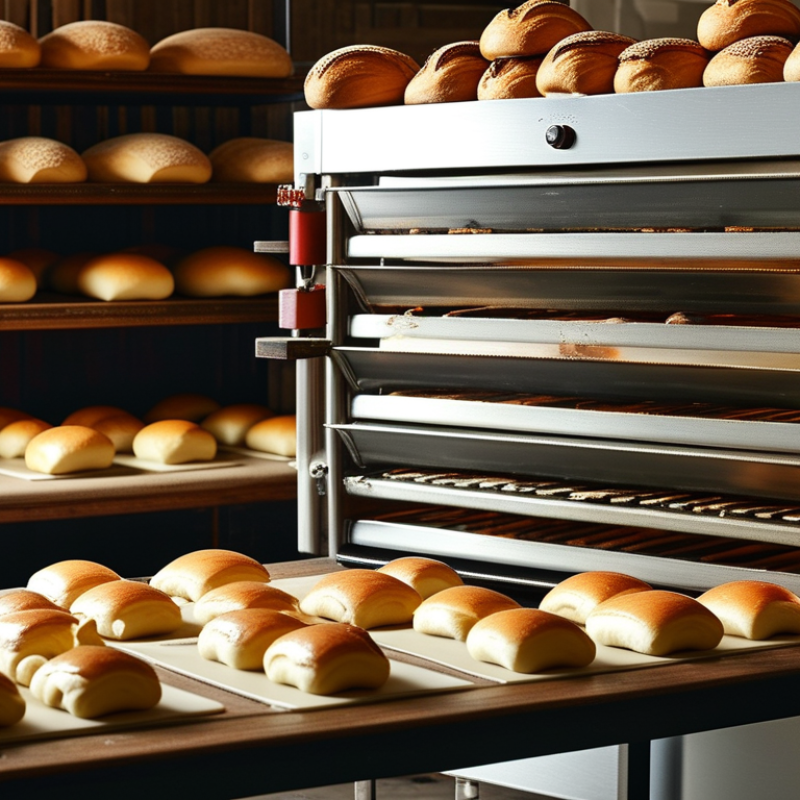
Proofing cabinets are essential for bakers aiming to perfect their bread. These cabinets provide a controlled environment for dough fermentation. Temperature and humidity can significantly impact the quality of bread, and proofing cabinets offer the ideal settings. This boosts the yeast activity, leading to better flavor and texture.
Bakers often face challenges with inconsistent results. Variations in ambient conditions can hinder the proofing process. Proofing cabinets eliminate these uncertainties. They maintain a stable atmosphere, ensuring each batch rises uniformly. This reliability is key to producing high-quality bread consistently.
However, bakers should be cautious about over-proofing. It can lead to a collapsed dough structure. Monitoring time and conditions inside the cabinet is crucial. Bakers need to experiment and refine their techniques with proofing cabinets. This way, the journey towards perfect bread can be both rewarding and educational.
The proofing process is crucial for bakers aiming to achieve optimal bread quality. During this stage, dough rises as yeast ferments sugars, producing carbon dioxide and alcohol. This creates bubbles, resulting in a light and airy texture. According to the American Bakers Association, proper proofing can increase volume by up to 30%. However, timing and temperature are critical, as over-proofing can lead to a collapsed structure.
Using proofing cabinets adds a controlled environment that enhances this process. These cabinets maintain consistent temperature and humidity levels, which are essential for effective fermentation. Research from the Bread Products Research Institute indicates that a humidity level around 75% can improve hydration efficiency in the dough. Some bakers struggle with fluctuations in climate, leading to varying results. A proofing cabinet offers a reliable solution, eliminating external variables.
Yet, even in controlled environments, bakers may face challenges. For example, individual dough formulations and ingredient quality can affect results. Frequent adjustments are often necessary to find the right balance. Embracing these nuances in the proofing process can lead to significant improvements in final product quality. Bakers must remain attentive to detail and be willing to adapt their techniques for the best outcomes.
Temperature and humidity are crucial factors in dough fermentation. They significantly impact yeast activity and gluten development. According to industry studies, optimal fermentation temperatures range from 75°F to 80°F. At these temperatures, yeast performance accelerates, leading to better gas production. However, too high a temperature can kill the yeast, making it ineffective.
Humidity is another vital factor. Ideal humidity levels for fermentation sit between 70% and 80%. When humidity is too low, dough can dry out, impacting texture and flavor. Conversely, excessive humidity can create a sticky dough, making it difficult to handle. A study published by the Baking Technology Institute highlights that a 10% increase in humidity can enhance fermentation rates by up to 15%.
Bakers must continuously monitor these elements. Inconsistent temperatures can lead to uneven bread quality. Relying solely on intuition can lead to missed opportunities for improvement. Implementing proofing cabinets can help maintain controlled environments. This ensures consistent results, aiding both novice and seasoned bakers. Understanding how temperature and humidity affect dough is vital for achieving the perfect loaf.
Proofing cabinets represent a significant advancement in the bread-making process. Unlike traditional proofing methods, which often rely on ambient temperature and humidity levels, proofing cabinets provide controlled environments. They maintain optimal temperature and humidity, crucial for yeast activation. According to a study by the American Association of Bakers, controlled proofing can reduce fermentation times by up to 30%. This leads to more consistent bread quality.
Traditional proofing methods, such as using a warm oven or counter, can lead to variable results. Bakers often struggle with fluctuating temperatures, which can hinder yeast activity. A report by the Institute of Baking indicates that 15% of bread batches fail due to inconsistent proofing conditions. By utilizing a proofing cabinet, bakers can increase their success rate significantly.
Moreover, proofing cabinets allow for detailed monitoring and adjustment. Bakers can easily set specific times and temperatures for different dough types. This technical precision minimizes the risk of over-proofing, a common issue with traditional methods. However, the initial investment in proofing cabinets raises questions for many small-scale bakers. Balancing cost with quality improvements continues to be a point for reflection in the baking community.
Proper maintenance of proofing cabinets is crucial for optimal baking results. Bakers should regularly clean the interior to prevent the buildup of flour and moisture. A simple mixture of warm water and mild detergent works wonders. Weekly checks on humidity and temperature settings are essential. These cabinets thrive at specific ranges, ensuring the dough rises evenly.
Monitoring the dough's progress is key. Over-proofing can create undesirable results, such as a sour taste or collapsed structure. Bakers should experiment with timing and observe their dough closely. This delicate balance requires attentive adjustments based on the ambient conditions. Using a thermometer can help in detecting any fluctuations in the cabinet's environment.
Scheduling routine inspections for the equipment is another best practice. It identifies early signs of wear, which could influence performance. While most proofing cabinets are durable, neglecting them may lead to inconsistencies in bread quality. As bakers develop their skills and encounter challenges, maintaining these machines will ultimately support their craft.
| Dimension | Description | Optimal Range / Best Practices |
|---|---|---|
| Temperature | Ideal rising temperature for bread dough | 75°F - 80°F (24°C - 27°C) |
| Humidity | Moisture level to prevent crust formation | 70% - 85% relative humidity |
| Proofing Duration | Time dough should remain in the proofing cabinet | 30 minutes - 2 hours depending on dough type |
| Airflow | Efficiency of air circulation in the cabinet | Ensure even airflow, avoid overcrowding |
| Cleaning Frequency | How often to clean the proofing cabinet | Weekly for optimal hygiene and maintenance |
: They create a controlled environment for dough fermentation, ensuring optimal temperature and humidity.
They boost yeast activity, leading to better flavor and texture in each batch of bread.
Inconsistent ambient conditions can hinder proofing, causing unreliable results for bread quality.
Over-proofing can collapse dough structure, leading to undesirable results like sour taste.
They maintain stable environments, reducing fermentation times by up to 30% for more consistent results.
Regular cleaning and weekly checks on humidity and temperature settings are essential for optimal results.
They need to closely monitor dough progress to prevent over-proofing and other issues.
Neglecting routine inspections can lead to wear and inconsistencies in bread quality.
The initial cost can be high, but they may significantly enhance success rates and bread quality.
Experimentation and refining techniques while paying attention to conditions help improve baking results.
Proofing cabinets play a crucial role in enhancing bread quality by providing precise control over the fermentation process. Understanding the proofing process is essential for bakers, as it directly influences the taste and texture of the bread. The ideal temperature and humidity levels facilitated by proofing cabinets create an optimal environment for dough fermentation, leading to improved flavor development and consistent results compared to traditional proofing methods.
Moreover, maintaining these cabinets and adhering to best practices ensures that bakers maximize the benefits of this technology. In essence, "why proofing cabinets improve bread quality" lies in their ability to create uniform conditions, resulting in better rising and enhanced overall quality of the final product. As a result, bakers can achieve superior bread that meets the expectations of their customers.