 Culino Kitchen
Culino Kitchen
Culino Kitchen
The global food supply chain faces numerous challenges. Rising population and climate change demand efficiency in food production. According to the Food and Agriculture Organization (FAO), food production will need to increase by 70% by 2050. This reality highlights the urgent need to understand how to optimize food production workflow for global sourcing.
In this context, businesses must refine their workflows. Inefficient systems lead to wasted resources and increased costs. A recent report from the McKinsey Global Institute indicates that companies can reduce operational costs by up to 20% through optimized workflows. However, many still struggle with inefficient supply chains. Engaging local farmers and technology can bridge this gap, yet not all companies are prepared for this shift.
Evaluating and reevaluating current practices is crucial. A failure to adapt may result in losing market share. As companies explore how to optimize food production workflow, potential pitfalls remain. Balancing quality, cost, and sustainability will require ongoing reflection and adjustment. The path forward may not be clear, but understanding these dynamics is essential for success.
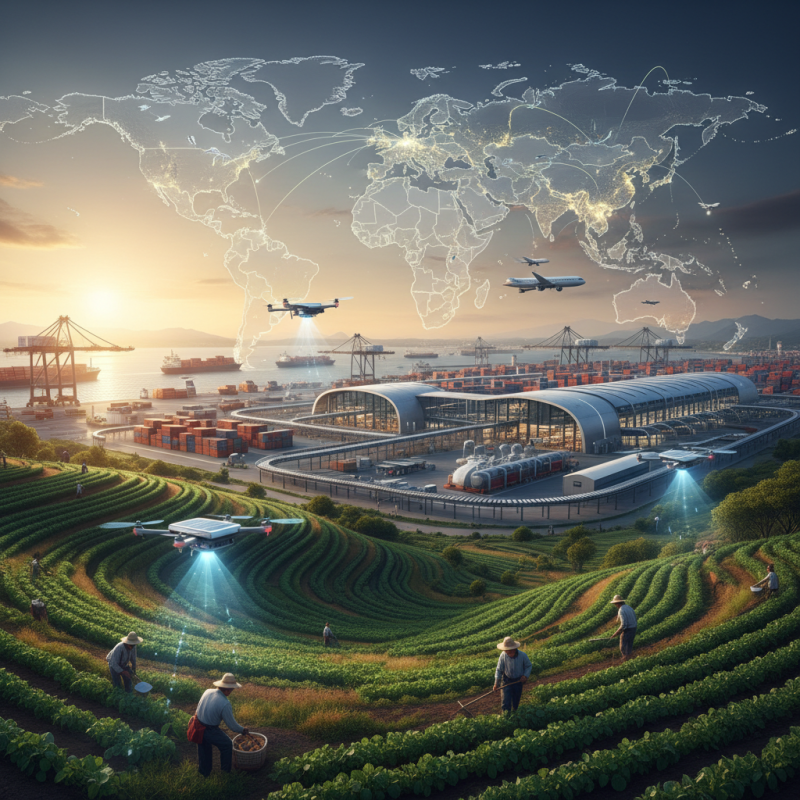
In the complex realm of global food sourcing, identifying key stages in the food production workflow is essential. Each stage requires careful attention to ensure quality and efficiency. Sourcing raw materials involves selecting suppliers who adhere to ethical practices. This is crucial for building trust and reliability. Farmer partnerships often need to be evaluated regularly to maintain standards.
Processing is another vital stage that must not be overlooked. Utilizing advanced technologies can improve yield and reduce waste. However, the reliance on technology can sometimes lead to setbacks when issues arise. Understanding the capabilities and limitations of these tools is important. There are also challenges in transportation and logistics that can disrupt the workflow.
Quality assurance must be integrated throughout the process. Regular inspections and audits can help mitigate risks. Nonetheless, the reliance on these measures can sometimes create a false sense of security. Continuous learning and adaptation are necessary as the global market evolves. Flexibility in the production workflow can help organizations respond to unexpected challenges effectively.
| Key Stage | Description | Challenges | Optimization Strategies |
|---|---|---|---|
| Sourcing Ingredients | Identifying and sourcing high-quality ingredients from global suppliers. | Supplier reliability and quality consistency. | Establish long-term relationships with suppliers and regular quality assessments. |
| Production Planning | Planning production schedules to meet global demand. | Demand forecasting accuracy. | Utilize advanced forecasting tools and analytics. |
| Quality Control | Ensuring products meet safety and quality standards. | Inconsistencies in product quality. | Implement rigorous testing and monitoring processes. |
| Logistics Management | Managing the transportation of goods across borders. | Customs regulations and shipping delays. | Streamline logistics by partnering with experienced freight forwarders. |
| Distribution | Delivering products to end-users and retailers worldwide. | Market entry barriers and competition. | Conduct market research and adapt strategies for local markets. |
: SRM is vital for optimizing workflows in food production. Strong connections enhance communication and streamline operations.
Regular check-ins prevent potential issues and foster trust, ensuring timely delivery and consistent quality.
Recognize their challenges, such as fluctuations in demand or quality control. Open feedback helps in collaboration.
Regularly reassess their performance. This reflection highlights areas needing improvement.
Education minimizes mistakes and develops a culture of safety, crucial for compliance with food safety regulations.
Focus on yield rates, processing times, and waste percentages. These highlight areas needing improvement.
Utilize digital tools, set specific goals, and involve staff for broader insights into operations.
If a high yield isn't linked to quality, further investigation is needed for clarity and understanding.
Engage with all stakeholders and refine practices based on real experiences for better outcomes.
In today's global market, understanding how to optimize food production workflow is crucial for enhancing efficiency and meeting consumer demands. The process begins with identifying key stages in the food production workflow, which allows organizations to pinpoint areas needing improvement. By assessing various technology tools, companies can streamline production processes, thereby increasing overall productivity.
Implementing best practices in supplier relationship management is vital for fostering collaboration and ensuring consistent quality. Additionally, compliance with global food safety regulations cannot be overlooked, as it protects both the brand and consumers. Finally, measuring and analyzing performance metrics enables businesses to make data-driven decisions, continually refining their food production workflows for sustainable success.
