Culino Kitchen Culino Kitchen

Why Mixing Speed Affects Dough Quality in Baking?

Time:2026-06-27 Author:Oliver
0%

In the world of baking, the importance of mixing speed often goes overlooked. The way dough is mixed can drastically affect its final quality. Understanding why mixing speed affects dough quality is crucial for both amateur and professional bakers.

When dough is mixed, gluten development and ingredient incorporation are key factors. A faster mixing speed might seem efficient, but it can lead to overworking the gluten. This often results in a tough texture that many bakers strive to avoid. Conversely, a slower speed allows for gradual hydration and a more uniform dough, promoting better structure.

It is essential to explore the balance between speed and quality. Bakers must remain vigilant in observing dough behavior during mixing. Each batch of dough can behave differently based on hydration levels, temperature, and ingredient types. Therefore, reflecting on mixing practices can lead to improved baking results. A deeper understanding of why mixing speed affects dough quality helps bakers make informed choices and enhances overall baking performance.
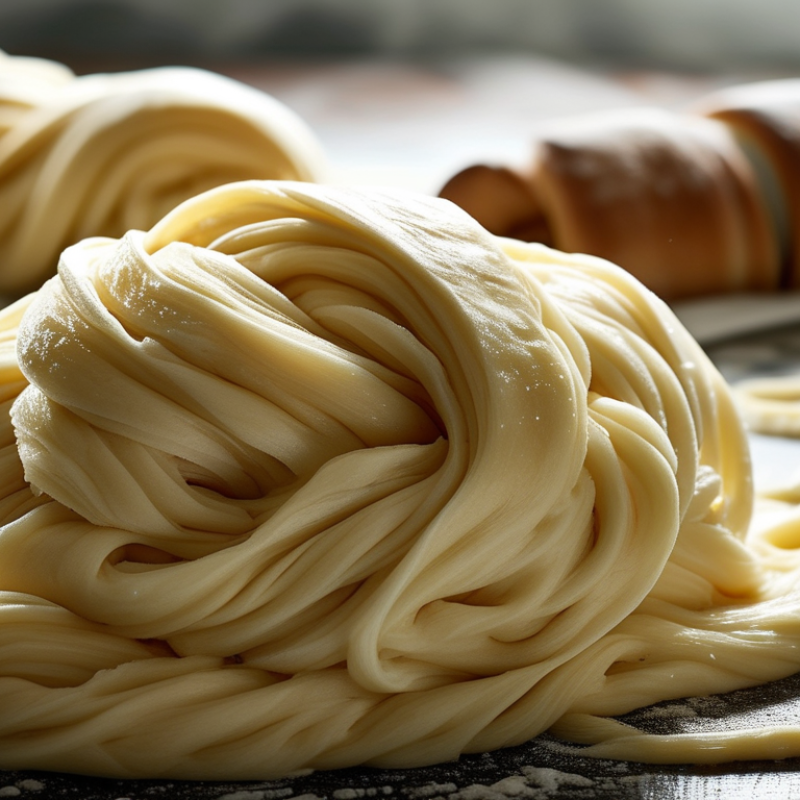
Why Mixing Speed Affects Dough Quality in Baking?

The Science Behind Dough Mixing in Baking

Dough mixing is a crucial step in baking that directly influences the final product's texture and flavor. The mixing speed determines how well ingredients blend. At low speeds, the dough combines gently, allowing for a gradual development of gluten. This process creates a tender texture suitable for pastries and cakes. High speeds, however, can be harsher, leading to overmixing, which creates a tough and chewy dough. Understanding how speed affects gluten development is vital.

Different recipes demand different mixing techniques. Bread dough benefits from vigorous mixing, as it builds strength and elasticity. In contrast, cookie dough requires a lighter touch to maintain crumbly texture. Often, bakers intuitively adjust speeds, but this can lead to unpredictable results. A light mix may still produce dense cookies, while a high-speed blend may ruin a delicate chiffon cake. Experimentation is essential to master the science of dough mixing.

Bakers frequently overlook the importance of equipment. The type of mixer and the attachment used can affect the speed and efficiency of mixing. Hand mixing may seem more forgiving, yet it often leads to inconsistent results. Some bakers debate the merits of paddle versus hook attachments. Each serves a unique role, emphasizing the need for awareness in how they interact with the dough. Observing these nuances can elevate baking skills and improve outcomes.

Why Mixing Speed Affects Dough Quality in Baking?

Mixing Speed (RPM) Dough Elasticity (cm) Air Incorporation (%) Final Texture Score (1-10) Baking Time (min)
60 8.5 15 7 25
120 7.0 20 8 22
180 6.0 25 6 20
240 5.0 30 4 18
300 4.5 35 3 15

Factors Influencing Mixing Speed and Dough Quality

Mixing speed plays a crucial role in determining dough quality during baking. When flour meets water, it forms gluten, a protein necessary for the structure of bread. However, if the mixing speed is too high, it can lead to over-developing gluten strands. This creates a tough texture, which is far from ideal. Conversely, mixing too slowly might not incorporate enough air into the dough, resulting in a dense loaf.

Various factors influence the optimal mixing speed for dough. The type of flour used is significant; high-protein flours tolerate faster mixing. Temperature also matters. Warmer dough requires careful handling; high speeds can make it sticky and unmanageable. The hydration level affects the mixing too. Drier dough needs more movement to achieve the right consistency, while wetter dough can be sensitive to speed changes.

Bakers often face challenges in finding the right balance. Some might notice dough not rising well due to improper mixing speed. Others may struggle with achieving that perfect crust. Experimentation is key. Adjusting the speed based on observation helps to refine skills. Paying attention to these variables can lead to improved baking outcomes.

Impact of Mixing Speed on Gluten Development

Mixing speed plays a vital role in gluten development. When flour and water are combined, proteins glutenin and gliadin start to interact. This interaction forms gluten, which gives structure to baked goods. Higher mixing speeds can lead to faster gluten formation. However, if mixed too quickly, the dough may become overworked. This can result in a tough texture instead of a light, airy bread.

Conversely, slow mixing allows for a more gentle development of gluten. It creates a more uniform dough. This approach may take longer, but it often yields better results. Bakers must find the right balance. Too slow can mean underdeveloped gluten, while excessive speed risks damage. Observing dough consistency and texture during mixing is crucial. It's an art, not just a science.

Many bakers experience trial and error. They learn which speeds work best for different recipes. Adjustments may be needed depending on humidity and flour type. Each batch can vary. This unpredictability is often what makes baking exciting. Understanding the complexities of mixing speeds ultimately leads to better baking outcomes.

The Role of Oxygen Incorporation during Dough Mixing

Oxygen plays a vital role during the dough mixing process. When you mix dough, the action incorporates air into the mixture. This oxygen is crucial for yeast activation and gluten development. Both factors significantly influence the texture and rise of the final baked product. The balance of incorporating air is not always easy to achieve. If you mix too fast, the dough can become overworked, leading to stiffness. Conversely, mixing too slowly may result in inadequate aeration.

**Tip:** Consider mixing at varying speeds. Start slower to allow for initial hydration, then gradually increase to enhance oxygen incorporation.

Mixing speed directly impacts dough elasticity. A well-mixed dough should feel smooth and slightly tacky. If it’s tough or rubbery, re-evaluate your mixing technique. Seek a balance between speed and gentleness. This balance requires practice and keen observation.

**Tip:** Pay attention to the dough’s feel and texture as you mix. Adjust your technique if it doesn’t seem right. Small tweaks can lead to significant improvements.

Impact of Mixing Speed on Dough Quality in Baking

Balancing Mixing Speed for Optimal Baking Results

Mixing speed plays a crucial role in determining the quality of dough. Different speeds create varied textures and structures, influencing the final product. Slow mixing allows for gentle incorporation of ingredients, leading to a tender crumb. However, too slow may result in inadequate gluten development. High-speed mixing can build strength quickly but may cause overmixing, resulting in toughness.

Tips: Monitor the texture as you mix. Aim for a smooth, elastic dough without clumps. Adjust your speed based on the ingredient type; for instance, delicate batters require a gentler approach.

Finding the right balance in speed can be challenging. It often takes practice to understand how each adjustment impacts the dough. If your bread feels dense or crumbly, reassess your mixing speed and time. Experimenting is key. A perfect recipe might need subtle modifications for the best outcome.

Tips: Always perform a windowpane test. This will show gluten development. If the dough stretches without tearing, you’ve achieved a good balance.

FAQS

: Why is dough mixing important in baking?

: Dough mixing affects the texture and flavor of the final product significantly.

How does mixing speed impact gluten development?

Slow speeds develop gluten gently, while high speeds can cause overmixing, leading to a tough dough.

What happens if I mix cookie dough too much?

Overmixing cookie dough can lead to dense, chewy cookies instead of a crumbly texture.

Can hand mixing yield consistent results?

Hand mixing may seem forgiving, but it often results in inconsistencies in the dough.

Why should I consider the type of mixer I use?

Different mixers and attachments can greatly influence the speed and efficiency of dough mixing.

How important is experimentation in dough mixing?

Experimentation helps bakers understand how speed and techniques affect different recipes, leading to better results.

What is the risk of mixing dough too slowly?

Mixing too slowly can lead to underdeveloped gluten, resulting in less airy baked goods.

How do humidity and flour type affect mixing?

Different humidity and flour types may require adjustments in mixing speed for optimal results.

Is baking a science or an art?

Baking is an art that combines scientific principles, requiring both knowledge and intuition in mixing.

What should I observe during mixing to improve my dough?

Pay attention to the dough's consistency and texture while mixing for better outcomes.

Conclusion

The article "Why Mixing Speed Affects Dough Quality in Baking" explores the intricate relationship between mixing speed and the overall quality of dough. It delves into the science behind dough mixing, emphasizing how various factors—such as ingredient type and humidity—play significant roles in determining the optimal speed for mixing. The impact of mixing speed on gluten development is particularly crucial, as faster mixing can enhance gluten strength, creating a better structure in the finished product.

Additionally, the incorporation of oxygen during the mixing process is highlighted as a vital aspect that influences dough fermentation and flavor. Understanding why mixing speed affects dough quality is essential for bakers aiming to achieve the perfect balance for their baking needs. By fine-tuning mixing speeds, bakers can optimize dough characteristics, leading to superior results in their baked goods.

Oliver

Oliver

Oliver is a seasoned marketing professional with a wealth of expertise in driving brand awareness and engagement. With a deep understanding of our company's product offerings, he consistently delivers high-quality content that enriches our professional blog. His insights not only shed light on......