Culino Kitchen Culino Kitchen

Why Is Temperature Control Essential for Perfect Baking?

Time:2026-05-09 Author:Oliver
0%

Baking is a science that requires precision. This precision often hinges on one critical aspect: temperature control. Understanding why temperature control is important in baking can transform a simple recipe into a masterpiece. Many bakers underestimate the role of heat. However, it can make or break the final product.

When dough rises, it depends on stable temperatures. Yeast ferments at specific heat levels. Too hot or too cold can ruin the texture. Similarly, cakes require precise baking temperatures for even cooking. Uneven heat distribution may lead to dry edges and a soggy center.

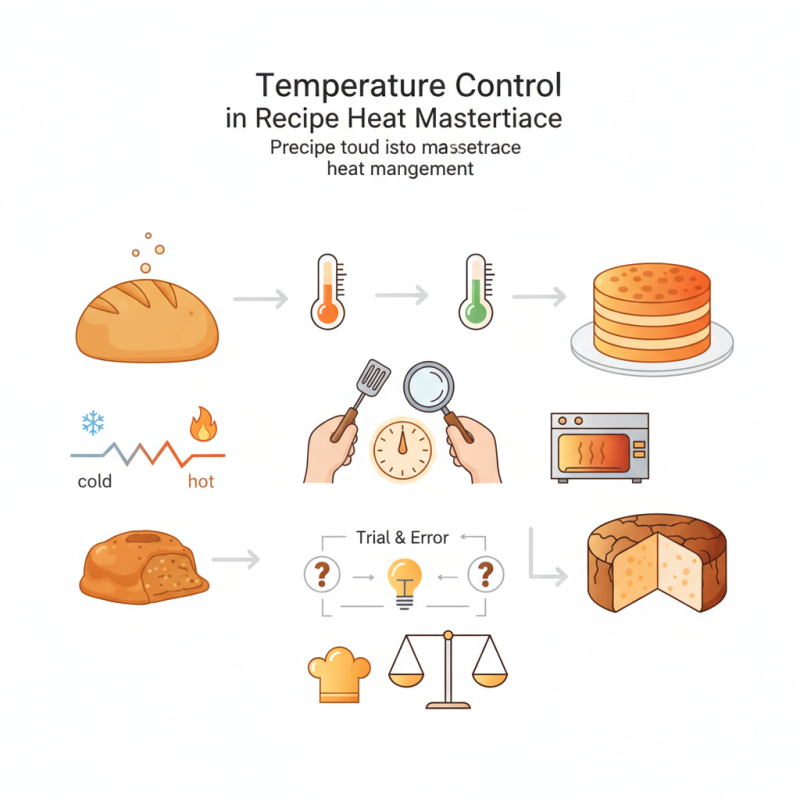
Bakers should embrace both art and science. Recipes provide a guideline, but true expertise comes with experience. Each oven behaves differently. Adjusting temperatures according to individual appliances is essential. It’s a process of trial and error, where learning from mistakes can yield the best results. Balancing heat can elevate baking from average to extraordinary.
Why Is Temperature Control Essential for Perfect Baking?

The Importance of Temperature Control in Baking Processes

Controlling temperature is vital in baking. Even minor deviations can lead to significant changes in outcome. For instance, cakes may rise too much or not at all. Bread can turn dense or overproofed. The science behind baking hinges on precise temperature settings.


To achieve optimal results, preheating your oven is crucial. This ensures that the baking environment is ideal from the moment your batter hits the heat. Remember, not all ovens are accurate. Use an oven thermometer to monitor the actual temperature inside. This way, you can avoid surprises.


Another helpful tip is to use room temperature ingredients. Cold eggs or butter can interfere with the emulsification process. This can result in uneven textures. Baking is both an art and a science. If a recipe doesn’t work out, reflect on the temperature used and ingredient conditions. Adjusting these factors can lead to improvements next time.

How Temperature Affects Ingredient Characteristics and Reactions

Temperature control is vital in baking, as it directly impacts the characteristics of ingredients and their reactions. For instance, butter and sugar, when melted at the right temperature, create air pockets in cookies, contributing to a light, fluffy texture. Studies indicate that maintaining a consistent temperature can enhance the final product's quality. The optimal creaming temperature is around 65°F (18°C). Deviating from this can lead to dense or flat outcomes.

Flour’s gluten development is also significantly influenced by temperature. When dough is mixed at cooler temperatures, gluten proteins form slowly, allowing for better structure. Conversely, warmer temperatures accelerate this process, sometimes resulting in a tough product. According to the American Chemical Society, a 5°F increase can enhance gluten formation, but it also risks overworking the dough. This balance is crucial.

Another aspect to consider is yeast activity. Yeast thrives at temperatures around 75°F to 85°F (24°C to 29°C). At lower temperatures, fermentation slows. High temperatures can kill yeast, leading to insufficient rising. The differences can lead to either a dense loaf or an airy one. These details highlight the importance of meticulous temperature control in baking for achieving the desired results.

The Role of Oven Temperature in Achieving Desired Baking Results

Oven temperature plays a crucial role in baking outcomes. Every recipe has an ideal temperature that helps ingredients react properly. For example, cakes need heat to rise, while cookies require a lower temperature for a chewy texture. It’s fascinating how a slight deviation can lead to different results.

When the oven is too hot, cookies might burn while the inside remains undercooked. Breads can become crusty on the outside but doughy inside. On the other hand, an oven that’s too cool can lead to disappointing, dense results. It often leaves bakers frustrated, wondering where they went wrong. Proper calibration of the oven is essential, and this is where mistakes commonly occur.

Every baker should invest time in understanding their oven. Home ovens can have hot spots or inaccurate temperature settings. Using an oven thermometer can provide insights into true baking temperatures. Such tools help in achieving desired textures and flavors. Even experienced bakers sometimes face inconsistencies, reminding us that baking requires continual learning and adaptation. Observing the results and adjusting accordingly is part of the journey.

Common Temperature-Related Baking Mistakes and Their Solutions

Temperature plays a crucial role in baking. Mistakes related to temperature can lead to disappointing results. One common error is baking at the wrong temperature. An overly hot oven can lead to burnt edges while underbaking creates a raw center. To avoid this, an oven thermometer is essential. Checking the actual temperature can save a batch of cookies or cakes.

Another frequent issue arises when ingredients are not at room temperature. Cold butter or eggs can affect mixing, creating a lumpy batter. This can lead to uneven rising. To fix this, take out your ingredients ahead of time. Let them sit at room temperature for at least 30 minutes before you start baking.

One more often overlooked detail is preheating the oven. Skipping this step can cause baked goods to rise improperly, affecting texture. Always allow your oven to fully preheat according to the recipe. This simple habit can help ensure even baking and perfect results every time.

Common Temperature-Related Baking Mistakes

This chart represents common temperature-related baking mistakes encountered in the kitchen along with the percentage of bakers that reported each mistake. Temperature control is essential for perfect baking, and understanding these mistakes can help improve your skills.

Techniques for Accurate Temperature Measurement and Control in Baking

Temperature control is crucial for successful baking. An internal study by the American Institute of Baking indicated that recipe accuracy can improve by 30% when precise temperature management is employed. Without proper temperature regulation, baked goods can become dense or overly dry. This variability highlights the importance of consistent monitoring in the baking process.

To achieve accurate temperature measurement, using a calibrated oven thermometer is essential. Many home ovens have calibration issues, leading to temperature discrepancies. A study published in the Journal of Food Science noted that up to 20% of home bakers experience inconsistent results due to incorrect oven temperatures. Additionally, using a probe thermometer can ensure that the internal temperature of products like bread or cakes meets required standards, providing reliable outcomes.

Incorporating techniques such as thermal imaging can reveal hot spots in an oven. This method not only enhances accuracy but also reduces wasted time and ingredients. Reflection is necessary. Many bakers might overlook their equipment’s performance. However, recognizing the necessity of these measurements can lead to improved baking experiences. The difference in texture and flavor achieved through careful temperature management is undeniable.

FAQS

: Why is temperature control important in baking?

: Temperature control is vital. Even small deviations can change texture, causing cakes to rise incorrectly or bread to turn dense.

How can I ensure my oven reaches the right temperature?

Preheat the oven before baking. An oven thermometer can help monitor the real internal temperature.

What happens if I use cold ingredients?

Cold ingredients like eggs or butter can impact emulsification. This often leads to uneven textures in baked goods.

What are the effects of incorrect oven temperatures on baked goods?

Too hot means burned cookies; too cool results in dense products. Consistency is key to avoid frustration.

How can I measure temperature accurately?

Use a calibrated oven thermometer to check your oven’s accuracy. This can improve baking outcomes significantly.

Why do some bakers experience inconsistent results?

Many home ovens have calibration issues. Around 20% of bakers face inconsistent results due to incorrect temperature settings.

What methods can improve temperature accuracy?

Techniques like thermal imaging can identify oven hot spots. This helps with accuracy, saving time and ingredients.

How does temperature affect cookie texture?

Cookies baked at lower temperatures tend to be chewier. Higher temps can lead to burnt edges and raw centers.

What should I do if a recipe doesn’t work?

Reflect on temperature settings and ingredient conditions. Adjustments can improve future baking results significantly.

How do seasoned bakers deal with temperature fluctuations?

They continually learn and adapt. Observing outcomes helps refine techniques and improve baking consistency.

Conclusion

Temperature control is essential for perfect baking, as it directly influences the characteristics and reactions of the ingredients used. Understanding why temperature control is important in baking can significantly enhance the quality of baked goods. For instance, precise oven temperature is crucial to achieve desired textures, flavors, and appearances in items like cakes, breads, and pastries.

Common baking mistakes often relate to improper temperature management, leading to undercooked or burnt results. By employing specific techniques for accurate temperature measurement and control, bakers can avoid these pitfalls and ensure consistent outcomes. Mastering the nuances of temperature throughout the baking process not only improves the final product but also elevates the overall baking experience.

Oliver

Oliver

Oliver is a seasoned marketing professional with a wealth of expertise in driving brand awareness and engagement. With a deep understanding of our company's product offerings, he consistently delivers high-quality content that enriches our professional blog. His insights not only shed light on......