Culino Kitchen Culino Kitchen

Why Temperature Control Matters in Baking for Perfect Results?

Time:2026-08-16 Author:Sophia
0%

Temperature can make or break your baking results. Understanding why temperature control is important in baking is crucial for every baker. It affects dough rising, cake texture, and the overall flavor of your baked goods.

Baking is a precise science. If the temperature is too low, dough won’t rise properly. Ingredients like yeast and baking powder rely on specific temperatures to activate. Conversely, excessive heat can lead to burnt edges while leaving the inside undercooked. This imbalance creates frustration and disappointment.

Every oven behaves differently. Knowing your equipment helps you achieve consistency. Use an oven thermometer to monitor temperature accurately. Experimentation is key. Baking often requires adjustments based on ingredients and weather. You’ll encounter moments of failure, but these are valuable learning experiences. Embracing them fosters improvement.
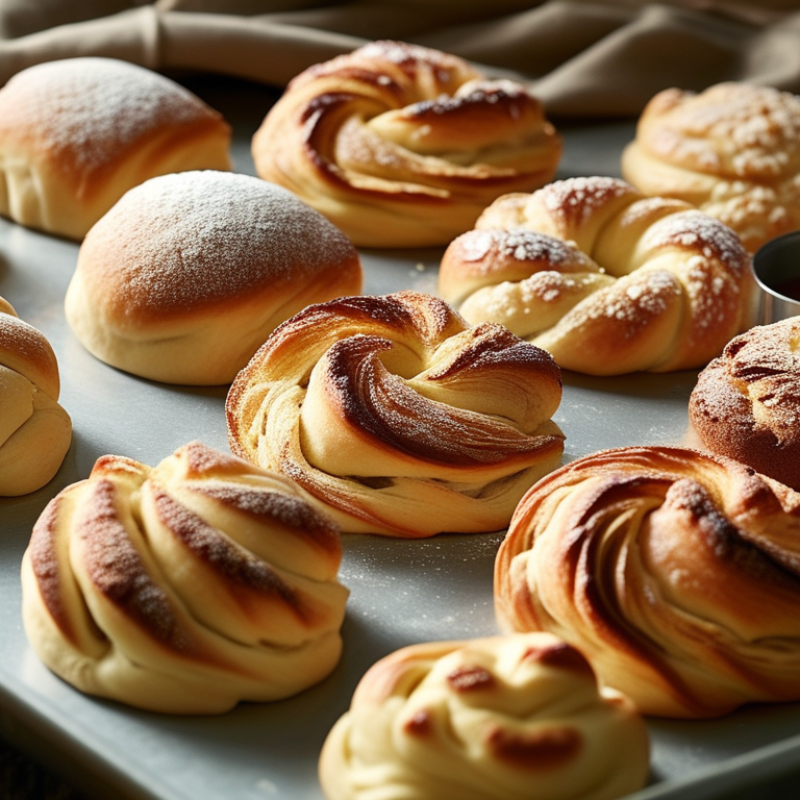
Why Temperature Control Matters in Baking for Perfect Results?

Importance of Temperature Control in Baking Chemistry

Temperature control plays a crucial role in baking chemistry. The right temperature affects how ingredients react. For example, butter should be at room temperature for creaming well with sugar. This creates a light texture in cakes. If the butter is too cold, it won’t incorporate properly, leading to dense, heavy results.


Temperature also impacts yeast activity. Yeast is most active between 75°F and 80°F. Too hot, and the yeast dies; too cold, and it becomes sluggish. This misstep can result in bread that fails to rise. Additionally, ovens can vary in temperature. A slight difference can change the baking time significantly. Monitoring your oven's actual temperature is essential for achieving the desired crust and crumb.


Every baker faces challenges with temperature. Overlooked factors, like humidity, can also alter results. A humid day might require adjustments in flour amounts. Reflecting on these elements helps bakers improve their skills. Experimentation is vital. Learn from each bake to achieve consistent results. Professional bakers understand the importance of these details in creating perfect baked goods.

Impact of Oven Temperature on Different Baking Methods

Oven temperature plays a crucial role in baking. Each method requires precise control to achieve the desired results. For example, baking cookies at too high a temperature can lead to burnt edges while leaving the centers doughy. This inconsistency can ruin the texture and flavor. Understanding temperature ranges is essential for success.

For cakes, ovens should be preheated thoroughly. A cold oven can prevent proper rising, resulting in a dense cake. Likewise, roasting meats requires specific temperatures to ensure a crispy exterior. Misjudging the temperature here might lead to undercooked dishes. It's vital to check internal temperatures with a thermometer to avoid mishaps.

Different baking methods also have unique temperature needs. For example, steam baking can achieve a crusty loaf by adjusting humidity levels alongside heat. This method requires careful monitoring. Yet, not every recipe works perfectly on the first try. It often takes experience to find the ideal balance. Adaptation and experimentation are part of the learning journey. Embracing those imperfections can lead to greater mastery in the kitchen.

Key Temperature Milestones for Various Baking Ingredients

Temperature plays a vital role in baking. Different ingredients have specific temperature requirements to achieve optimal results. For instance, butter should be softened to around 68°F (20°C) for creaming with sugar. This creates a light texture in baked goods. Cold ingredients, like eggs, can affect mixing and rise, potentially leading to dense results.

When using flour, the temperature impacts gluten development. Keeping it at room temperature ensures better hydration and elasticity. This allows for a more consistent dough. Aiming for about 75°F (24°C) for your eggs helps them blend seamlessly with other ingredients.

**Tip:** Always check your ingredient temperatures before starting. Room temperature eggs and butter can improve your batter's consistency. If you forget to bring these out early, a bowl of warm water can help soften butter quickly. Don't rush; sometimes, small adjustments lead to better outcomes.

Unexpected changes can happen. A hot kitchen may cause dough to rise too quickly. This could lead to uneven textures in your bread. Temperature control is a learning process. Each bake offers lessons for the next challenge. Adjust and adapt as you go.

Why Temperature Control Matters in Baking for Perfect Results?

Baking Ingredient Ideal Temperature (°F) Importance of Temperature
Butter 65-70 Creates a smooth texture and helps in aeration when creamed.
Eggs Room Temperature (70) Improves emulsification and increases volume.
Flour Room Temperature (70) Enhances gluten development for structure.
Sugar Room Temperature (70) Affects sweetness, volume, and browning.
Yeast 100-110 Activates fermentation, providing rise and flavor.
Milk Room Temperature (70) Combines well with sugars and helps activate yeast.

Techniques for Maintaining Consistent Baking Temperatures

Temperature control is crucial in baking. Even small variations can change the final product. Maintaining consistent baking temperatures ensures even cooking and texture. If the temperature is too high, cookies may burn on the edges while remaining raw inside. On the other hand, a low temperature might lead to undercooked baked goods.

To achieve the right temperature, preheat your oven fully. Use an oven thermometer to verify accuracy. Relying solely on the built-in gauge may not reflect actual temperatures. Rotate your baked goods midway through the baking time. This simple step can help in achieving an even bake.

A major tip: avoid frequently opening the oven door. Each time it opens, heat escapes. This can lead to unpredictable baking results. Allowing the oven to maintain its heat is vital for perfect outcomes. Keep in mind, practice makes perfect. Don’t be discouraged by occasional mistakes. Each attempt teaches valuable baking lessons.

Common Baking Mistakes Related to Temperature Management

Temperature management is crucial in baking. Many home bakers overlook the importance of using the right temperature. This mistake can lead to dense cakes or burnt cookies. For example, a cake baked at too high a temperature may rise too rapidly. It might look perfect on the outside but remain raw in the center.

A common error is placing dough in a cold oven. This leads to uneven baking. Yeast breads need a warm environment to rise properly. If the dough isn’t warm enough, it can result in flat loaves. Similarly, underestimating preheating time can ruin pastries. If the oven isn’t hot enough when they enter, they won’t puff up as intended.

Managing temperature is not just about the oven. Ingredient temperatures matter too. Cold eggs or butter can affect texture. Room temperature ingredients mix better, leading to a smoother batter. While these details might seem minor, they significantly impact the outcome. A little attention to temperature can create delightful results.

Temperature Control in Baking: Impact on Different Recipes

This bar chart illustrates the ideal baking temperatures for various recipes. Proper temperature management is crucial for achieving perfect results in baking, as different recipes require specific conditions to rise and develop flavors correctly.

FAQS

: Why is temperature control important in baking?

: Temperature control affects ingredient reactions, texture, and yeast activity, ensuring successful baked goods.

What happens if butter is too cold?

If butter is cold, it won't cream well with sugar, resulting in dense, heavy cakes.

What is the ideal temperature for yeast?

Yeast is most active between 75°F and 80°F. Too hot or too cold can hinder its function.

How does oven temperature impact cookies?

Baking cookies at high temperatures can burn edges while leaving centers undercooked, ruining texture.

What should I do if my oven temperature varies?

Monitoring the actual temperature is crucial. Slight differences can significantly change baking time.

How can humidity affect baking?

Humidity can require adjustments in flour amounts to achieve consistent results in baked goods.

Why is preheating the oven necessary for cakes?

A cold oven can prevent proper rising, leading to denser cakes that don't achieve a light texture.

What can I do if I forget to soften butter?

Immerse the butter in warm water for a short time. Small adjustments lead to better outcomes.

How does flour temperature influence dough?

Keeping flour at room temperature helps with gluten development, resulting in more consistent dough.

What should I learn from baking imperfections?

Every baking effort teaches valuable lessons. Embrace and reflect on mistakes to improve your skills.

Conclusion

Temperature control is a critical element in baking that directly influences the success of the final product. Understanding why temperature control is important in baking involves recognizing the chemistry behind how ingredients react at specific temperatures. Different baking methods, such as roasting or baking, require precise oven temperatures to achieve the desired textures and flavors. Key temperature milestones for various ingredients, like the melting point of butter or the proofing temperature for yeast, play a significant role in determining the outcome of baked goods.

To ensure consistent baking results, employing techniques to maintain stable oven temperatures is essential. Home bakers often encounter common mistakes related to temperature management, such as opening the oven door too frequently or not allowing ingredients to reach room temperature. By mastering temperature control, bakers can elevate their skills and create perfect treats every time.

Sophia

Sophia

Sophia is a dedicated marketing professional with an exceptional depth of knowledge about her company's products and services. With a keen understanding of market trends and customer needs, she crafts insightful blog posts that not only inform but also engage readers, enriching the company’s online......