Culino Kitchen
In the world of baking, understanding what factors affect the lifespan of bakery equipment is essential for business success. Longevity is not only about quality. It involves maintenance, usage, and environmental conditions. Every piece of equipment, from mixers to ovens, has its own vulnerabilities. Poor maintenance can dramatically shorten its life.
Correct usage is also vital. Overworking machinery can lead to premature failure. Operators must be trained properly. They should understand the limits of each machine. Environmental factors play a surprising role too. Humidity and temperature can impact both functionality and durability.
Investing in high-quality equipment is just the beginning. Owners must commit to ongoing maintenance and care. Ignoring these aspects can lead to unexpected breakdowns and costly repairs. A proactive approach can enhance equipment longevity. Reflecting on these factors can lead to better decision-making in bakery operations.
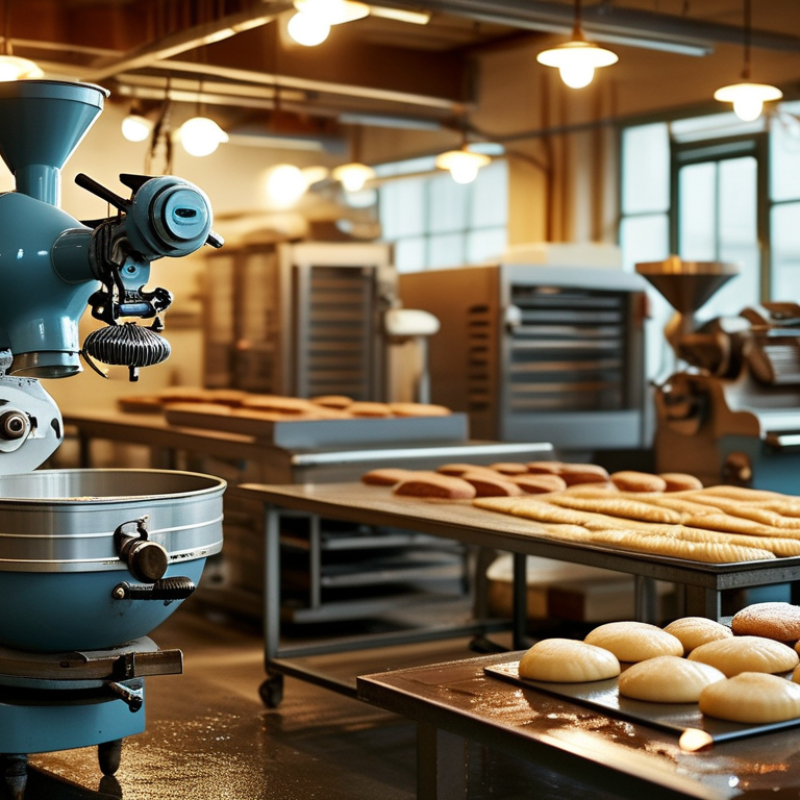
The materials used in bakery equipment can greatly influence its lifespan. High-quality materials resist wear and tear, reducing the need for frequent replacements. Stainless steel is popular due to its corrosion resistance and durability. However, not all stainless steel is created equal. Some grades may not withstand the harsh conditions of a bakery environment.
Good manufacturing practices ensure that bakery equipment is built to last. Using materials like food-grade silicone or heavy-duty aluminum further enhances reliability. These materials can endure intense heat and daily use. Yet, some manufacturers may cut corners to save costs. This can lead to premature equipment failure, which is a false economy.
Investing in top-shelf materials is a long-term strategy. Cheaper options might seem appealing initially. But they often come with hidden costs, such as reduced efficiency and frequent repairs. Observing how equipment performs over time reveals the importance of material selection. This awareness helps bakers make more informed decisions that align with their operational goals.
Regular maintenance practices are crucial for extending the lifespan of bakery equipment. According to the Baking Industry Equipment Manufacturers Association, proper upkeep can boost equipment durability by 30%. Routine checks help identify issues before they escalate. Simple actions, like cleaning and lubrication, make a significant difference.
For instance, conveyor belts should be inspected weekly. This prevents wear and tear from causing unexpected breakdowns. Moreover, operators should schedule quarterly deep cleaning to eliminate residues that can impair functions. Ignoring these practices might lead to costly repairs and downtime, which affect production efficiency.
Training staff on maintenance protocols is equally important. An educated team can perform basic checks and identify signs of wear. Reports suggest that 60% of equipment failures derive from operator negligence. Encouraging a culture of care can enhance performance and longevity. Remember, proactive measures often save businesses significant amounts over time.
The operational environment greatly influences the durability of bakery equipment. Factors such as humidity, temperature, and cleanliness play a pivotal role. High humidity can lead to rust on metal parts. On the other hand, extreme heat can warp materials. Regular monitoring of these conditions ensures optimal functionality.
Another key aspect is the frequency of use. Equipment used multiple times a day tends to wear out faster. This necessitates more frequent maintenance checks. Operators should prioritize cleaning and inspecting machinery after each shift. Over time, neglecting these practices may lead to costly repairs. Additionally, an unsuitable environment may decrease a machine's efficiency, requiring more energy for simple tasks.
Baking operations should also consider layout and space. Crowded work areas can cause equipment to bump against each other, leading to damage. An organized space allows for better airflow, reducing overheating risks. However, creating the perfect workspace can be challenging. Constantly reassessing the bakery's operational environment is vital for maximizing equipment lifespan and performance.
Bakery equipment lifespan is heavily influenced by its frequency of use. High daily use can lead to faster wear and tear. According to a report from the International Baking Industry Exposition, equipment that operates daily can experience up to 30% higher wear than equipment used weekly. Understanding this relationship is crucial for maintaining equipment longevity.
Tips: Regular maintenance is essential. Schedule weekly checks for critical components. This can help catch issues early, reducing costly repairs. Keep a usage log to monitor how often each piece of equipment is used. It might highlight patterns that require your attention.
Overuse can strain machinery beyond its intended limits. Staff might overlook this relationship, assuming that all equipment is built for heavy use. However, even robust machines have their thresholds. Adjusting operational schedules may extend the lifespan of your equipment significantly. Don't wait for breakdowns to reassess your usage patterns; a proactive approach is more beneficial.
| Factor | Description | Impact Level (1-5) |
|---|---|---|
| Frequency of Use | How often the equipment is used daily affects its longevity. High usage increases wear and tear. | 5 |
| Maintenance Routine | Regular maintenance improves the lifespan by ensuring equipment is running properly. | 4 |
| Quality of Equipment | Higher quality equipment generally results in a longer lifespan due to better materials and construction. | 5 |
| User Training | Proper training ensures equipment is used correctly, reducing mistakes that can lead to damage. | 3 |
| Environment Conditions | Humidity, temperature, and cleanliness of the environment can affect how well the equipment performs and lasts. | 4 |
In the bakery industry, technological advancements play a crucial role in determining the lifespan of equipment. New technologies, such as precision temperature controls and energy-efficient motors, enhance performance. These improvements can significantly reduce wear and tear on machinery. For example, automatic mixers with built-in timers can optimize mixing times, minimizing strain on motor components. These innovations, however, come with a cost: constant upgrades may lead to equipment obsolescence.
Regular maintenance remains vital. Technological tools can help but often require skilled operators. If staff lacks proper training, even advanced equipment can falter. Ultimately, the benefits of technology depend on human expertise. While modern ovens and coolers may boast longer lifespans, neglect and misuse shorten their usability. The balance between embracing technology and ensuring proper usage is delicate, necessitating continual assessment.
This chart illustrates the key factors influencing the longevity of bakery equipment based on recent industry analysis.
: High-quality materials like stainless steel, food-grade silicone, and heavy-duty aluminum are ideal.
Good materials resist wear and tear, improving equipment lifespan and reducing replacements.
Regular maintenance can boost durability by 30%, preventing unexpected breakdowns and costly repairs.
Routine cleaning and lubrication of equipment can significantly enhance functionality.
Educated staff can detect issues early and prevent failures. Operator negligence causes many breakdowns.
Technological advancements can improve performance but require skilled operators for optimal benefits.
While cheaper options seem attractive, they often lead to hidden costs like frequent repairs.
Weekly inspections, especially for conveyor belts, are crucial to prevent wear and tear.
Ignoring maintenance can lead to significant downtime and higher repair costs, affecting productivity.
Modern ovens may last longer but require proper use and maintenance to avoid early obsolescence.
When considering what factors affect the lifespan of bakery equipment, several key elements come into play. Firstly, the selection of high-quality materials during the manufacturing process significantly impacts durability. Regular maintenance practices are crucial for prolonging equipment life, ensuring that machinery operates efficiently and safely. Additionally, the operational environment, including factors such as temperature and humidity, can affect the longevity of equipment.
Furthermore, the frequency of use is a critical factor, as increased activity can lead to faster wear and tear. Lastly, technological advancements in bakery equipment can enhance longevity through improved designs and materials that endure the rigors of daily operation. By understanding and addressing these factors, bakeries can improve the lifespan of their equipment, ultimately leading to more efficient production and lower replacement costs.
