 Culino Kitchen
Culino Kitchen
Culino Kitchen
Energy is one of the largest controllable costs in bakery operations. Ovens, proofers, mixers, refrigeration units, lighting, and ventilation work for long hours. Small inefficiencies can quietly become expensive. A door left open, a leaking steam line, or an oven running empty matters.
The International Energy Agency reported that industry consumed about 37% of global final energy in 2022. Its Energy Efficiency 2023 report also identifies efficiency improvements as essential for reducing operating costs and emissions. The U.S. Environmental Protection Agency’s ENERGY STAR guidance highlights commercial cooking equipment, refrigeration, and ventilation as important energy-use areas. These findings apply differently to every bakery. Production volume, product type, equipment age, and local energy prices change the result.
This guide explores how to save energy in bakery operations without compromising food safety, consistency, or delivery schedules. The practical focus is simple: measure first, adjust carefully, and verify the savings. Useful actions may include improving oven loading, repairing seals, reducing idle time, recovering heat, and scheduling maintenance. Some recommendations may seem obvious. They are often ignored.
Perfect efficiency does not exist. A bakery may save electricity while increasing gas consumption, or reduce heat loss while affecting proofing quality. That trade-off needs attention. The U.S. Department of Energy’s Industrial Assessment Centers have repeatedly emphasized measurement-based improvements rather than assumptions. Start with energy bills, equipment readings, and production records. Then connect each change to a measurable outcome. Less waste. Better control. A more resilient bakery.
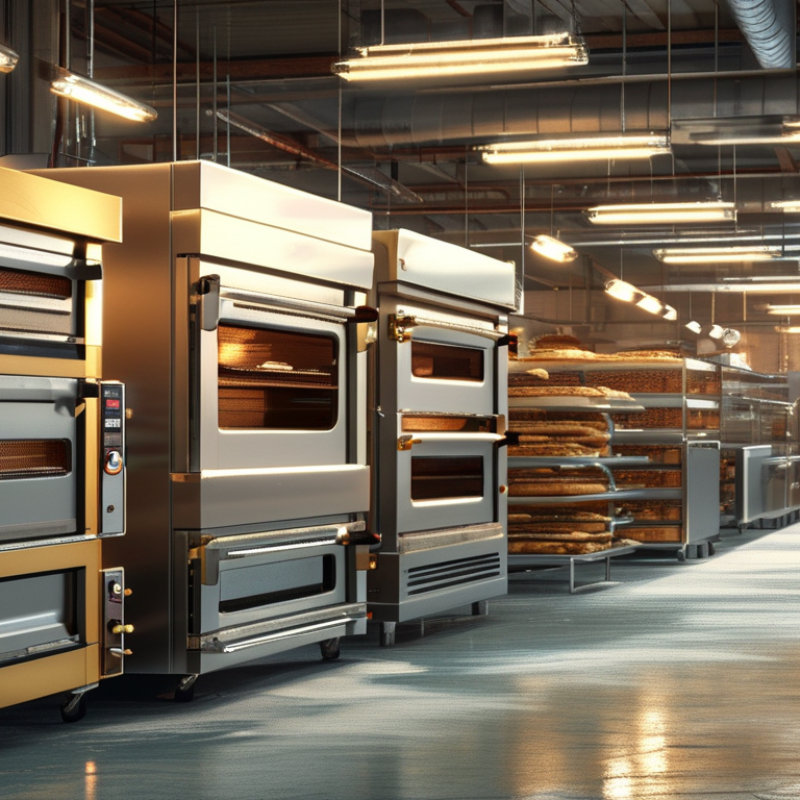
Assessing Energy Use Across Bakery Operations
A practical energy assessment begins with a simple question: where does electricity disappear during a normal production day? Record meter readings before mixing starts and after cleaning ends. Compare those figures with daily output, such as kilowatt-hours per batch or per loaf.
Walk through the bakery during peak activity. Check ovens, mixers, proofers, refrigeration units, lighting, and ventilation separately. An infrared thermometer can reveal heat escaping around oven doors and worn seals. Listen for compressors running continuously. That often indicates poor maintenance, blocked airflow, or an incorrect temperature setting. Small leaks matter.
My first assessment missed energy used during idle periods. The ovens looked efficient while baking, but remained hot for hours afterward. Now, I record start-up, production, and shutdown times. I also ask staff when equipment is switched on, because written schedules rarely match real practice. Some data will be imperfect. That is normal.
Compare similar production days rather than relying on one reading. A qualified technician can verify electrical loads and inspect gas-fired equipment safely. Maintenance records also deserve attention. A dirty burner, overfilled freezer, or poorly calibrated thermostat may increase consumption without obvious warning. Track changes after each adjustment. Reducing preheating by ten minutes may help, but product quality must remain consistent. Otherwise, the apparent saving is not a real improvement.
Practical energy-management opportunities and indicative performance targets for commercial bakery operations
| No. | Energy-Saving Tip | Operational Area | Recommended Action | Typical Energy Share | Indicative Saving Potential | Primary KPI | Typical Payback |
|---|---|---|---|---|---|---|---|
| 1 | Measure energy by production stage | Whole facility | Install sub-metering or use equipment-level monitoring for ovens, refrigeration, HVAC, compressed air, and lighting. Track energy per kilogram of finished product. | All loads | 5–15% through improved control | kWh/kg product | 6–24 months |
| 2 | Optimize oven loading and scheduling | Baking | Bake full, well-planned loads where product specifications allow, reduce idle preheating, and group products with similar temperature requirements. | 25–40% | 8–20% of oven energy | kWh per oven batch | Immediate–6 months |
| 3 | Prevent oven heat loss | Baking | Inspect door seals, hinges, insulation, burners, and exhaust settings. Keep oven doors closed except when loading or unloading. | 25–40% | 5–15% of oven energy | Heat loss and fuel use | 3–18 months |
| 4 | Use efficient proofing controls | Proofing and fermentation | Maintain only the required temperature and humidity, use timers, and switch proofers to standby when production stops. | 5–12% | 10–25% of proofer energy | kWh per proofing cycle | 3–12 months |
| 5 | Improve refrigeration efficiency | Cold storage | Clean condenser coils, maintain door seals, avoid overloading, keep evaporator airflow clear, and set temperatures only as low as product safety requires. | 10–25% | 10–30% of refrigeration energy | kWh per cold-storage day | 3–18 months |
| 6 | Control HVAC and ventilation | Production and packaging areas | Use occupancy schedules, variable-speed drives, heat recovery where practical, and demand-based ventilation while maintaining food-safety requirements. | 10–30% | 10–25% of HVAC energy | kWh per operating hour | 12–48 months |
| 7 | Repair compressed-air leaks | Pneumatic equipment | Survey the system during non-production hours, repair leaks, lower pressure to the minimum required, and turn compressors off when idle. | 2–8% | 10–30% of compressed-air energy | System pressure and run time | 1–12 months |
| 8 | Replace lighting with LED and sensors | All work areas | Replace inefficient lamps with LEDs and install occupancy or daylight controls in storage rooms, offices, and low-traffic areas. | 2–8% | 40–70% of lighting energy | Lighting kWh per m² | 12–36 months |
| 9 | Maintain motors, mixers, and conveyors | Mixing and material handling | Lubricate equipment as specified, align belts, remove mechanical friction, and use variable-speed drives where operating speeds vary. | 5–15% | 5–15% of motor energy | Motor load and run time | 6–36 months |
| 10 | Reduce standby and idle energy | Whole facility | Create shutdown checklists for ovens, proofers, mixers, conveyors, HVAC zones, displays, and office equipment outside production hours. | 5–15% | 5–15% of total energy use | Overnight kWh load | Immediate–6 months |
Record the meter before mixing and after cleaning. Compare kilowatt-hours with batches or loaves produced. Track start-up, production, and shutdown periods. The data may be imperfect. That is still useful.
Walk through ovens, mixers, proofers, refrigeration units, lighting, and ventilation. Check each system separately. Listen for compressors running continuously. Inspect oven doors for escaping heat. Small leaks matter.
Use the smallest suitable oven and load it evenly. Keep doors closed between checks. Use the viewing window and interior light. Lower idle temperatures during quiet periods. Confirm product quality afterward.
Check door seals, insulation, burner flames, and recovery time each shift. Clean equipment according to a written schedule. A dirty burner may increase energy use. A qualified technician should inspect fuel-fired systems safely.
Bake in planned waves when possible. Switch off empty chambers. Record batch size, preheating time, and idle time. Our schedule looked efficient, but repeated reheating changed the result. Estimates were wrong.
Set humidity only as high as the dough requires. Repair leaking steam lines promptly. Avoid excessive moisture and unnecessary heating. Check dough and crust quality after adjustments. Savings are not useful if products suffer.
Keep chilled rooms near the required food-safety temperature. Check door seals weekly. Keep doors closed during loading and cleaning. Do not overload shelves. Blocked airflow creates warm pockets and longer cooling cycles.
Turn off unnecessary fans during closed hours. Maintain required air quality and safe working conditions. Use timers or occupancy controls where practical. Balance supply and exhaust airflow. Measure airflow instead of guessing.
Learning how to save energy in bakery operations begins with assessing where and when energy is being consumed. By reviewing utility data, equipment usage, production schedules, and peak-demand periods, bakeries can identify avoidable waste. Ovens and proofers should be properly calibrated, fully loaded when practical, and operated at efficient temperatures and times. Regular cleaning, sealing, and maintenance can also improve heat transfer and reduce unnecessary energy loss.
Electricity use can be lowered by optimizing refrigeration, preventing door openings, maintaining correct temperatures, and improving ventilation controls. Production workflows should be organized to reduce idle equipment, unnecessary movement, reheating, and delays between preparation and baking. Finally, energy meters and routine performance checks can help teams measure progress, identify new opportunities, and maintain long-term efficiency. A clear monitoring plan, staff training, and continuous adjustment make energy savings more consistent while supporting reliable bakery production.
