Culino Kitchen
Choosing the right commercial oven begins with a practical question: what is the difference between convection and rack ovens? The answer reaches beyond fan speed or oven size. It affects airflow, loading patterns, bake consistency, labor, energy use, and product quality.
The U.S. Department of Energy’s Commercial Kitchen Equipment Technology Assessment describes convection ovens as equipment that uses powered air circulation to improve heat transfer. Rack ovens operate differently. They move entire racks through a larger baking chamber, supporting higher batch volumes and more consistent production across trays. The Food Service Technology Center also reports that cooking efficiency depends on equipment design, operating habits, preheating, and door-opening frequency. Small habits matter. A door left open can quickly disturb temperature recovery.
Baking educator Michael Suas states, “The oven is the heart of the bakery.” His point is easy to test on a busy production floor. Convection ovens can suit roasted vegetables, pastries, and smaller batches. Rack ovens often serve bakeries producing bread, rolls, or dozens of trays at once. Still, this comparison is not absolute. Product height, pan material, steam requirements, floor space, and staff training can change the result. We may overvalue speed and underestimate recovery time. That mistake is common. The seven tips ahead examine these differences through practical examples, manufacturer specifications, and professional performance data, helping operators choose with clearer expectations.
What are convection ovens and rack ovens?
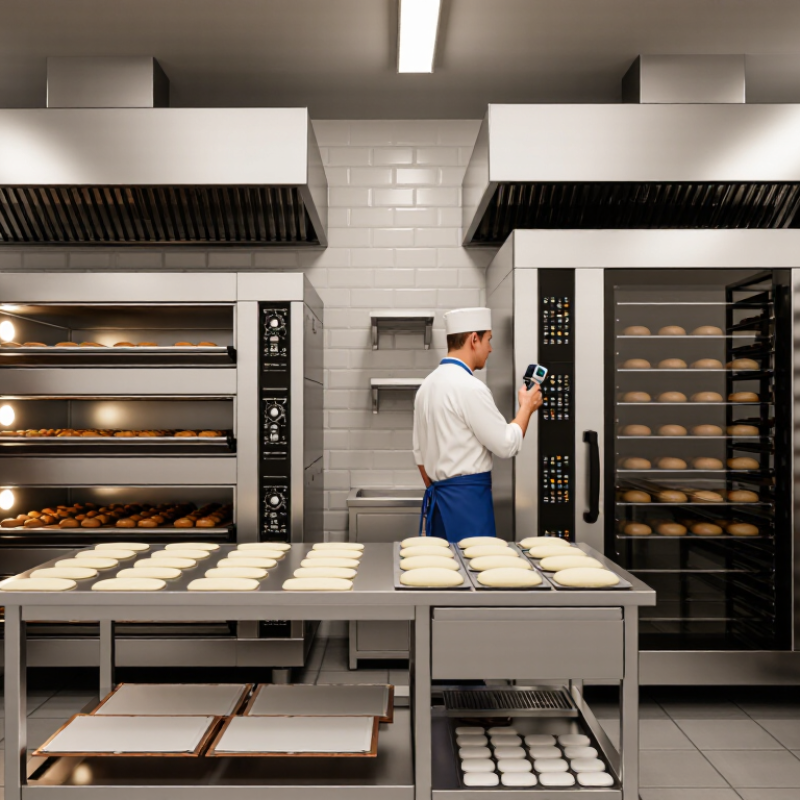
A convection oven circulates heated air with a fan around one pan or several sheet pans. That moving air reduces cold spots and usually improves browning, especially on cookies, pastries, and roasted vegetables. A rack oven works differently. It accepts a wheeled rack holding many trays, then manages heat, steam, and airflow inside a taller chamber. This design suits bakeries producing bread, rolls, or consistent batch loads.
Convection models are flexible and compact. Staff can change pan sizes quickly, but loading remains manual. Rack ovens offer greater batch capacity, yet they need more floor clearance and careful rack handling. The American Society of Baking describes rack ovens as suited to rack-based production. They depend on controlled heat and steam.
Energy deserves attention. ENERGY STAR’s Commercial Food Service Guide reports a striking gap. Foodservice kitchens can use about 2.5 times more energy per square foot than other commercial spaces. Its commercial oven criteria also set idle-energy limits for qualifying convection units, including 1.6 kilowatts for electric models. That figure is useful, not magical. Actual savings change with menus, door openings, insulation, and operator habits. I have seen specifications look impressive while a busy shift erased the difference. Measure energy and recovery time on site.
A convection oven moves heated air with a fan, creating a steady flow around each tray. A rack oven usually relies on a larger chamber, controlled steam, and vertical rack movement. Its heat may travel through ducts or rotating mechanisms, depending on the design. The result is different. Convection heat reaches exposed surfaces quickly, while rack ovens often build a more gradual, enveloping bake.
The U.S. Department of Energy’s commercial cooking data separates cooking efficiency from idle energy. Electric convection models are commonly measured near 70% cooking efficiency, while gas models are near 44%. These figures show useful energy transfer, not guaranteed baking speed.
Air temperature can look correct while the center remains undercooked. That happens more often with dense dough, crowded trays, or frequent door openings.
In practice, convection suits cookies, roasted vegetables, and small batches. The fan dries surface moisture and can sharpen browning. Rack ovens handle loaded carts and larger production runs more evenly.
ASHRAE’s 2023 Handbook also stresses airflow balance and kitchen ventilation when evaluating cooking equipment.
I have found one catch: a stronger fan is not always better. Thin pastries may develop dry edges before the middle sets. Testing one tray at a time helps, although that is slower than most kitchens prefer. A probe thermometer and simple bake logs reveal more than the display temperature alone.
Convection and rack ovens differ most in airflow, loading, and temperature control. A convection oven moves heated air around fixed trays. A rack oven circulates heat around an entire wheeled rack, often with rotation or controlled steam. That airflow reduces cold spots, but it does not guarantee identical results. A crowded rack can still block air.
The U.S. Department of Energy reports that convection cooking can reduce cooking time by about 25% and temperature by roughly 25°F. Those figures are useful starting points, not promises. In a working kitchen, a small tray of cookies may brown quickly, while a dense rack of bread needs longer heat penetration. I have found that lowering temperature alone can create pale crusts and dry centers. That mistake is easy to make.
Temperature recovery also separates the two designs. Opening a convection oven briefly may cause a sharp heat drop. A rack oven with stronger airflow and higher thermal capacity can recover faster after loading. However, recovery depends on insulation, load size, steam use, and calibration.
The U.S. Department of Agriculture advises verifying food safety with a thermometer, rather than trusting display temperature alone. For example, poultry should reach 165°F internally, according to USDA Food Safety and Inspection Service guidance. Speed matters, but measured core temperature matters more.
Convection and rack ovens are not exact opposites. Convection describes how heat moves, using a fan to circulate hot air. A rack oven describes the cooking setup, usually holding a full rolling rack of trays. Many rack ovens also use convection and may rotate the rack for more even results.
Convection ovens suit cookies, roasted vegetables, chicken pieces, and small pastries. Moving air can brown surfaces quickly and reduce baking time. Leave space between pans so air can circulate properly. Delicate cakes may need lower heat because their edges can set too fast. Watch the first batch closely. Small ovens often have surprising hot spots.
Rack ovens work well for bread loaves, rolls, sheet cakes, and large pastry batches. Their spacious chambers handle many trays at once, while steam features can support crisp crusts and better oven spring. Tip: Use a rack oven when consistency across a full production load matters. Rotate trays only when the oven design requires it; unnecessary movement can disturb rising dough.
For home baking, convection is usually more practical and economical. For a bakery, a rack oven can improve workflow and batch control. Still, recipes may need adjustment. Temperature, pan material, dough moisture, and load size all change the outcome. I once trusted a timer too much and overbaked thin biscuits, even with the correct temperature. A reliable thermometer and visual checks remain essential.
This practical fit rating uses a 1–5 scale. Convection ovens are generally well suited to foods that benefit from circulating hot air, even browning, and faster heat transfer. Rack ovens are useful for large, organized batches and delicate products that benefit from gentler, more stable heat with less direct airflow.
Choosing between convection and rack ovens starts with the food, not the equipment label. Convection ovens circulate heated air around trays, making them useful for pastries, cookies, roasted foods, and smaller batches. Rack ovens accept wheeled racks, so they suit bakeries producing many loaves or trays at once. Capacity matters. A busy morning can expose a small oven’s limits quickly.
Study your daily workflow before comparing prices. Measure doorways, ceiling height, floor space, and ventilation requirements. Check electrical or gas capacity, water access, and drainage if steam is important. A rack oven may reduce loading time, but it needs room for rack movement. A convection oven often fits tighter spaces and supports flexible batch sizes. Space matters. That changes everything.
Your menu should guide the final decision. Delicate pastries may need gentle, even airflow, while crusty bread may benefit from controlled steam and stable heat recovery. Ask how easily staff can adjust temperature, fan speed, humidity, and loading patterns. Cleaning access also affects real operating costs. A neglected fan or blocked vent can damage consistency. My first instinct might favor the higher-capacity oven, but that can be poor judgment if demand changes by season. Request test bakes with your actual dough, pan sizes, and production schedule. Record bake time, color, moisture, energy use, and staff effort before committing.
A fan circulates hot air around fixed trays. This can reduce cold spots and brown surfaces faster. Leave gaps between pans. Crowded trays still block airflow.
A rack oven holds a full wheeled rack of trays. Some models rotate the rack and add controlled steam. This suits large bread and pastry batches.
Convection cooking may reduce time by about 25 percent. Actual results depend on food density, tray spacing, and oven calibration. Numbers are only starting points.
Convection ovens suit cookies, roasted vegetables, chicken pieces, and small pastries. Moving air can crisp edges quickly. Delicate cakes may need gentler heat.
Rack ovens suit bread loaves, rolls, sheet cakes, and large pastry batches. Their spacious chambers handle many trays together. Steam can improve crust and oven rise.
No. Lowering heat alone may create pale crusts and dry centers. Check color, texture, and internal temperature. I have made that mistake.
Use a reliable food thermometer instead of trusting the display alone. Poultry should reach 165°F internally. Measure the thickest area. Speed matters less.
Measure doorways, ceiling height, floor space, ventilation, and rack movement paths. Check electrical or gas capacity, water access, and drainage. Space changes everything.
Not necessarily. Higher capacity may waste space during seasonal demand changes. Test actual dough, pans, and batch sizes before buying. My first instinct can be wrong.
Record baking time, color, moisture, energy use, and staff effort. Clean fans and vents regularly. Watch the first batch closely. Small ovens have hot spots.
Convection ovens and rack ovens both use moving hot air to improve cooking consistency, but their designs and best uses are different. If you are asking, “what is the difference between convection and rack ovens,” the main distinction is capacity and workflow. Convection ovens circulate heated air around stationary trays, making them suitable for smaller batches, precise baking, roasting, and everyday kitchen use. Rack ovens are larger systems that accommodate an entire wheeled rack, allowing many trays to be loaded and baked at once.
Heat circulation, cooking speed, and temperature control also vary. Convection ovens generally provide responsive temperature adjustments and efficient airflow for individual products. Rack ovens are designed for high-volume production, with strong, even circulation throughout the chamber and consistent results across multiple levels. Choose a convection oven when flexibility, compact size, and detailed control matter most. Choose a rack oven when productivity, batch uniformity, and large-scale baking are the priorities. Consider available space, energy use, cleaning needs, budget, and expected workload before deciding.
