Culino Kitchen Culino Kitchen

Why is Choosing the Right Cooling Racks and Trays Crucial?

Time:2026-06-22 Author:Isabella
0%

Choosing the right cooling racks and trays is essential for anyone who bakes. Proper cooling tools can enhance the efficiency of your baking process. They determine how well your baked goods cool and their final texture. For example, a fine mesh cooling rack allows air circulation around cookies, preventing sogginess.

Knowing how to select cooling racks and trays for efficiency can save you time and frustration. A sturdy rack can handle multiple batches, while non-stick trays ensure easy release. Consider materials like stainless steel or silicone. These often provide durability and ease of cleaning. Investing in quality can make a significant difference.

Yet, some might overlook these details. An unsuitable rack can warp under heat. A poorly designed tray can lead to uneven cooling. This can impact your final product. It's crucial to assess your needs and test different options. Taking a bit of time to find the best fit pays off in the long run.
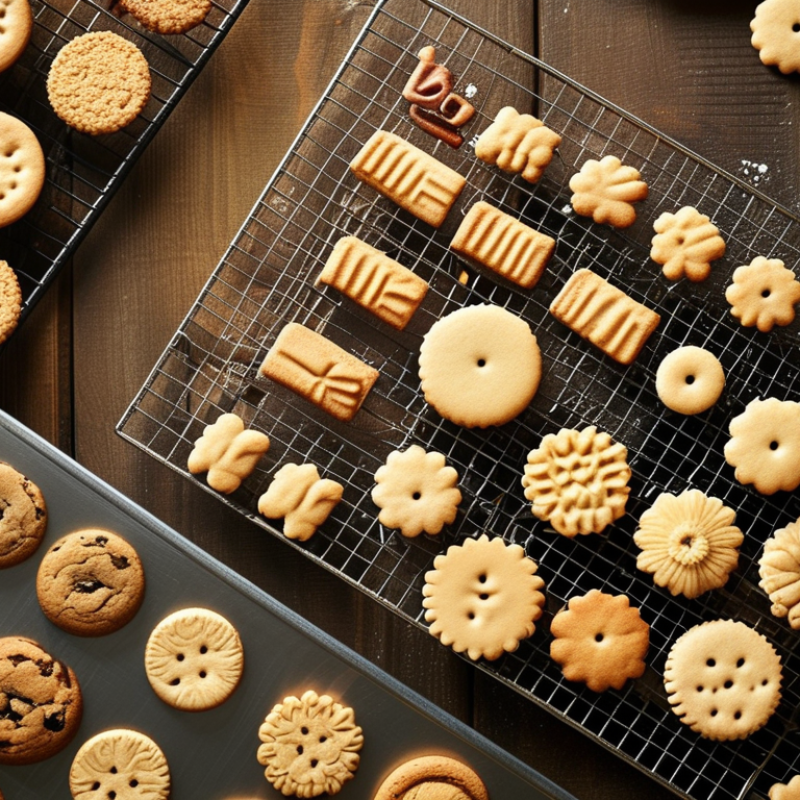
Why is Choosing the Right Cooling Racks and Trays Crucial?

Importance of Cooling Racks in Baking: Impact on Food Texture

Choosing the right cooling racks and trays is crucial in baking. These elements directly influence the texture of your baked goods. A good cooling rack allows air to circulate, preventing sogginess. When cookies cool on a flat surface, they can lose that delicious crunch. Bake them with care, but remember the cooling stage is just as vital.

Imagine pulling out a perfect cake. If you set it on a warm plate, it can become dry on the edges. Using a proper rack ensures even cooling. It helps the steam escape, preserving a moist interior. Have you ever noticed that muffin tops can get gummy without proper airflow? Those subtle details can make or break your baking.

Not all racks are created equal. Some wobble or are made of materials that affect your food’s flavor. Investing time in choosing the best option pays off in the end. It may seem tedious to think about cooling racks, but those small choices reflect your dedication to quality. Remember, every element in baking matters—even the space where your treats cool.

Understanding Different Types of Cooling Trays: Materials and Designs

When it comes to baking, the tools you use can make a significant difference. Cooling trays come in various materials, each offering unique benefits. Metal trays, for example, conduct heat well and cool baked goods quickly. They are also durable and easy to clean. However, they can sometimes rust if not maintained properly.

Silicone trays provide a non-stick surface and are flexible, making it easy to remove treats. Yet, their heat resistance can vary by quality, leading to potential warping. Glass trays are attractive and easy to monitor, but they can break if dropped. Each material has advantages and drawbacks worth considering.

For design, there are several shapes and sizes available. Some cooling racks fit perfectly within specific oven trays, maximizing space. Others might have multiple tiers, elevating baked goods for better air circulation. Different designs serve different purposes. The right choice depends on your baking habits and storage space. Experimenting with various materials and designs can reveal what works best for you, but it’s crucial to remain aware of their limitations.

Thermal Conductivity: How It Affects Cooling Efficiency

Choosing the right cooling racks and trays can drastically improve your baking results. Thermal conductivity plays a vital role in cooling efficiency. Materials with high thermal conductivity, like aluminum, transfer heat away from baked goods quickly. This helps maintain the texture and quality of cookies, cakes, and bread.

Data from a report by the Baking Industry Technological Society indicates that items baked on steel surfaces cool 25% faster than those on traditional glass trays. This is crucial for preventing sogginess and ensuring a crisp exterior. The choice of material not only affects cooling times but also influences flavor retention.

**Tip:** Always consider the material of your cooling racks and trays. Opt for those with high thermal conductivity for best results.

Using a poor-quality tray can lead to uneven cooling. Some bakers prefer silicone, believing it is safer. However, it often has lower thermal conductivity. This can lead to moist spots and an unappealing texture.

**Tip:** Test different materials in your kitchen. Keep track of cooling times and results. Reflect on what works best for your baking style.

Why is Choosing the Right Cooling Racks and Trays Crucial?

The efficiency of cooling racks and trays can significantly impact the cooling time of baked goods. The following chart illustrates the thermal conductivity of various materials used in cooling racks and trays, and how it affects their cooling efficiency.

The Role of Airflow in Preventing Moisture Retention on Baked Goods

Choosing the right cooling racks and trays is more than a matter of convenience. It's about ensuring baked goods maintain their ideal texture. Moisture is the enemy of freshness. When baked items cool, steam builds up. If airflow is restricted, this steam condenses. The result? Soggy cookies or dense bread.

Airflow plays a vital role in preventing moisture retention. Racks with proper spacing allow air to circulate freely. This process keeps the bottoms crisp and the tops dry. It may seem trivial, but the choice of material also matters. Wire racks promote better airflow than solid trays.

Yet, some bakers overlook this aspect. They may use flat trays for convenience. This can trap heat and moisture, leading to disappointment. Reflecting on your choices can lead to better results. Understanding airflow can elevate your baking game. It's worth the effort to choose well.

Industry Standards: Recommended Sizes and Functions for Home Bakers

Choosing the right cooling racks and trays and tools can significantly impact your baking results. Selecting the proper size and material helps achieve optimal airflow. For home bakers, there are industry standards that guide these choices. A common size for cooling racks is 16 x 10 inches, which fits most baking sheets. Metal racks provide strength and are ideal for cookies and pastries.

Tips: Always check the weight limit for racks. Overloading can lead to warping or bending.

When considering trays, the function matters. Non-stick trays are excellent for easy release, while heavy-duty versions withstand high temperatures. They also prevent warping during baking. Ensure your trays complement your baking style.

Tips: Don’t forget to rotate your trays halfway through baking. This promotes even cooking.

Sometimes, a rack or tray may not meet your expectations. If a batch of cookies cools unevenly, it may be due to a poor-quality rack. Reflect on your choices and adjust accordingly. Quality tools can make a big difference in your baking.

FAQS

: Why do I need a cooling rack for baking?

: A cooling rack allows air circulation, preventing sogginess and maintaining the texture of your baked goods.

What happens if I cool cookies on a flat surface?

Cooling cookies on a flat surface may cause them to lose their crunch, affecting their overall quality.

How important is the cooling stage in baking?

The cooling stage is vital. It affects moisture retention and the final texture of your baked items.

What size is ideal for home bakers?

A common size is 16 x 10 inches, which fits most baking sheets and provides good airflow.

What materials should I choose for cooling racks?

Metal racks are preferred because they offer strength and are best suited for cookies and pastries.

Is it okay to overload my cooling rack?

No, overloading may cause warping or bending, affecting the functionality of the rack.

How can I ensure even cooking with trays?

Rotate your trays halfway through baking to promote even cooking and avoid uneven baking results.

Can a cooling rack affect flavor?

Yes, some racks can impart flavors to your food. Choose high-quality racks to avoid this issue.

What should I do if my baked goods cool unevenly?

Reflect on your tools. A poor-quality rack may cause uneven cooling, impacting your baking results.

Are all cooling racks the same?

No, not all racks are created equal. Some may wobble or be made from unsuitable materials. Choose wisely.

Conclusion

Choosing the right cooling racks and trays is essential for achieving optimal results in baking. The importance of cooling racks lies in their ability to impact the texture of baked goods, allowing for proper airflow that prevents moisture retention. Different types of cooling trays, made from various materials and designed for specific functions, also play a critical role in the cooling process. Understanding thermal conductivity can further enhance cooling efficiency, as it dictates how quickly heat dissipates from the baked items.

To effectively select cooling racks and trays for efficiency, bakers should consider industry standards for sizes and the specific functions these tools serve in their kitchen. This awareness can help in creating the desired texture and preventing sogginess in baked goods, ultimately leading to a more enjoyable baking experience.

Isabella

Isabella

Isabella is a dedicated marketing professional with a sharp focus on driving brand growth and engagement through strategic content creation. With an extensive background in digital marketing, she combines her passion for storytelling with her keen understanding of industry trends to deliver......