Culino Kitchen
Choosing the right bakery packaging equipment is not simply a matter of speed or price. It is a practical decision involving product texture, packaging material, hygiene, production volume, and future growth. A soft brioche needs different handling from crisp biscuits. A cream-filled pastry creates different sealing and cleaning demands. This is where the question “how to select packaging machines for bakery products” becomes important.
Walter Soroka, a recognized packaging technology author, described packaging as “the science, art, and technology of enclosing and protecting products for distribution, storage, sale, and use.” His statement remains useful for bakery manufacturers. A machine must protect freshness, prevent crushing, and support efficient distribution. It should also produce consistent seals, accurate filling, and clear date coding. Small details matter. A poorly adjusted conveyor can damage delicate rolls within minutes.
This guide will examine the main selection factors, including product size, packaging format, output targets, automation level, cleaning access, and maintenance support. It will also consider real production conditions, such as flour dust, temperature changes, and frequent product changeovers. The cheapest machine may not be the most economical choice. Yet, the most advanced system may also be unnecessary for a small bakery. That judgment requires careful testing.
There is no perfect machine for every bakery. Trial runs can reveal inconvenient truths. Operators may prefer simpler controls, while managers may prioritize labor savings. A reliable choice balances both needs.
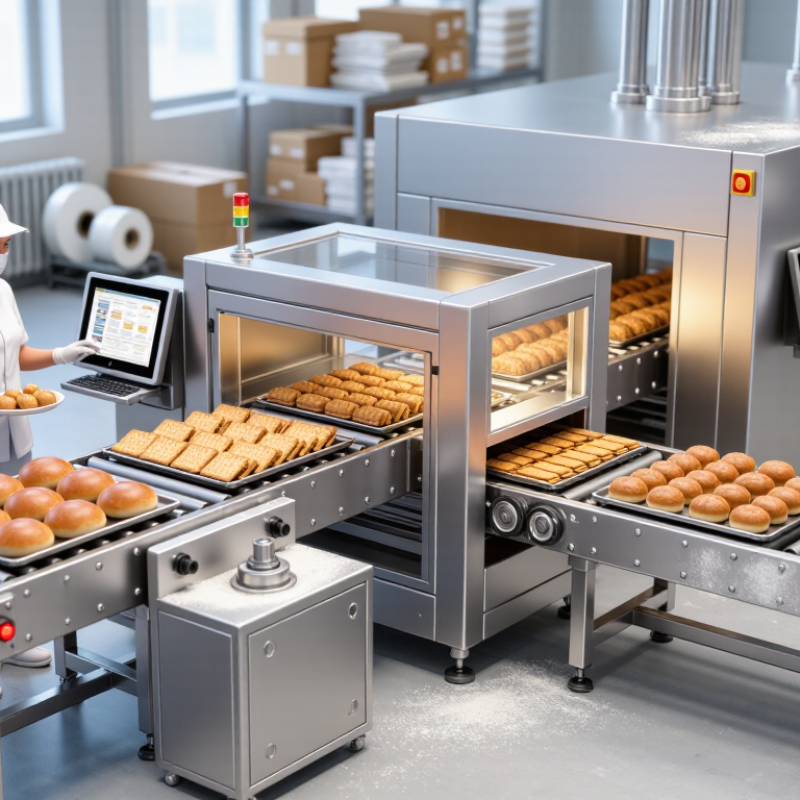
Packaging selection should begin with the bakery product, not the machine catalogue. Fresh bread needs gentle handling, breathable or high-barrier film, and reliable sealing. Cookies require protection from moisture and breakage. Cakes often need rigid trays, careful positioning, and clean presentation. Frozen pastries demand stronger seals and materials that remain stable at low temperatures.
Product details determine machine performance. Measure weight, dimensions, surface softness, filling, temperature, and target shelf life. A soft brioche may deform inside a fast flow wrapper. A brittle biscuit may need controlled acceleration and wider transfer belts. According to the Food and Agriculture Organization, about 14% of food is lost between harvest and retail. Poor packaging can increase this loss through crushing, drying, or contamination.
Moisture control deserves special attention. The Food and Agriculture Organization identifies moisture migration as a major factor in food quality decline. Therefore, compare film barrier properties with the product’s expected storage environment. The United Nations Environment Programme reported that 1.05 billion tonnes of food were wasted in 2022, including retail and household waste. Better portion control and shelf-life protection can help reduce avoidable waste.
Still, I would not choose a machine from speed alone. A practical trial should test seal strength, product alignment, changeover time, cleaning access, and rejected packs. Small tests expose big mistakes. Packaging requirements may change after real production begins.
How to Choose Packaging Machines for Bakery Products?
Match Packaging Formats with Suitable Machine Designs
Choosing a bakery packaging machine starts with the product’s shape, texture, and selling format. A sliced loaf needs gentle horizontal flow wrapping. Its film tension must protect the crust without crushing the bread. Baguettes require longer infeed sections and stable product spacing. Crumbs change everything. Practical trials show that oversized conveyors can damage soft rolls during transfer.
Muffins and cupcakes often need trays, cartons, or individual paper cups. A cartoning machine suits rigid formats, while a tray-sealing machine supports moisture control and clear product visibility. For cookies, a multi-lane counter can improve portion accuracy before wrapping. Sticky dough may need wider belts and non-stick contact surfaces. The wrong design creates misalignment, broken edges, and frequent cleaning stops.
Machine selection should also reflect changeover time, sanitation access, and operator skill. Servo-controlled movements can improve positioning, but they add maintenance requirements. Check sealing temperature, film compatibility, and maximum product height before purchase. Test real products, not only empty packages. A clean factory trial can mislead because bakery crumbs behave differently during a long shift. Test before scaling. Record damaged pieces, stoppage causes, and cleaning minutes across several production runs. A slower machine may prove more reliable when it protects delicate products and reduces waste.
Match packaging formats with suitable machine designs and compare typical throughput ranges.
Typical throughput ranges are shown in packs per minute. Horizontal flow wrapping is commonly used for individually wrapped bread, pastries, and snack cakes; vertical form-fill-seal machines suit loose or portioned bakery products; tray sealers are suitable for products requiring rigid support; premade pouch machines are used for resealable or stand-up formats; and cartoners are used when bakery packs require secondary protection or retail presentation. Actual performance depends on product size, packaging material, sealing requirements, and automation level.
Choosing a packaging machine starts with the bakery’s actual production rhythm. A small bread line may need 40 packs per minute, while a biscuit line may require over 100. Do not trust the highest advertised speed. I have seen machines slow down when products crumble, cool unevenly, or arrive with inconsistent sizes. Request a live trial using your own products and packaging materials.
Accuracy protects both costs and customer experience. Check the film length, sealing temperature, product spacing, and date-code position. A machine that regularly adds extra film creates waste across thousands of packs. Poor sealing can also expose bread to moisture and shorten freshness. Measure results over several hours, not only during a short demonstration. Some errors appear after heat builds up.
Production capacity should include planned growth, cleaning time, changeovers, and short maintenance stops. A machine running at full speed may look efficient, but it can leave no room for seasonal orders. Calculate practical output, not theoretical output.
For example, 8,000 packs per shift may become 6,400 after adjustments and cleaning. That difference matters.
I would also record rejected packs for one week before deciding. My own early estimates were too optimistic, especially during product changeovers. Reliability is found in ordinary shifts, not perfect demonstrations.
Choosing a packaging machine for bakery products starts with material compatibility.
Bread, pastries, and cookies react differently to films, paper, and trays. A film that protects sliced bread may trap moisture around crisp biscuits. That mistake is common. I have seen packaging trials fail because the seal looked strong, but condensation softened the product.
Test the actual packaging material with the exact product, filling weight, and storage temperature. Check sealing performance, film stiffness, oxygen transmission, and moisture resistance. Small differences matter.
Hygiene deserves equal attention.
Select equipment with smooth, accessible surfaces and minimal product traps. Stainless steel contact areas are practical, but they still require careful cleaning. Ask how quickly operators can remove guards, belts, and sealing parts. Faster cleaning may reduce contamination risks between production runs.
Product protection also depends on gentle handling. Soft cakes can collapse under excessive pressure, while delicate toppings may stick to conveyors. Use controlled feeding, stable temperature settings, and suitable sealing pressure.
Measure broken pieces, seal defects, and moisture changes during real production. Keep records. They reveal problems that visual checks miss.
One point needs reflection: a technically advanced machine is not automatically the best choice. If operators struggle to clean or adjust it, performance may decline. Packaging decisions should follow product evidence, not attractive specifications.
Choosing packaging machinery for bakery products requires more than comparing purchase prices. A low-cost machine may use more film, electricity, and labor. It may also create uneven seals when crumbs enter the sealing area. Include changeover time, spare parts, training, and expected downtime in the cost calculation. A realistic comparison should cover at least five years, not just the first invoice.
Maintenance needs often reflect the bakery environment. Flour dust, sugar, heat, and humidity can affect sensors, belts, and sealing jaws. Look for tool-free access, washable surfaces, clear maintenance instructions, and locally available replacement parts. Ask how often technicians must inspect cutting blades and temperature controls. A simple daily cleaning routine can prevent expensive stoppages. However, easy cleaning does not guarantee easy maintenance. That assumption deserves testing.
Automation should match production volume and staff capability. Semi-automatic equipment may suit seasonal bakeries with frequent product changes. Fully automatic lines can reduce repetitive labor and improve portion consistency. They also require stronger technical support and better operator training. Sensors, automatic film tracking, and recipe storage can shorten setup time. Yet extra controls may increase repair costs. Request a live trial using your actual bread, pastries, packaging materials, and production speed. Observe the rejected packs. They often reveal problems that a sales demonstration hides.
Start with the product, not the machine catalogue. Measure weight, size, softness, filling, temperature, and shelf-life needs.
Fresh bread needs gentle handling and dependable sealing. Use breathable or high-barrier film, depending on moisture and storage conditions.
Cookies need protection from moisture and breakage. Wider transfer belts and controlled acceleration may prevent cracked edges.
Cakes often need rigid trays and careful positioning. Frozen pastries require strong seals and materials that remain stable at low temperatures.
Moisture migration can soften, dry, or spoil bakery products. Compare film barrier performance with the expected storage environment.
Test your actual products, film, and production speed. Check seal strength, alignment, changeover time, cleaning access, and rejected packs.Small tests expose big mistakes.
Include film use, electricity, labor, spare parts, training, and downtime. A five-year estimate is more useful than the purchase price alone.
Flour dust, sugar, heat, and humidity can affect sensors, belts, and sealing jaws. Check washable surfaces, tool-free access, and replacement-part availability.
Semi-automatic equipment may suit seasonal production and frequent product changes. Fully automatic lines can improve consistency, but they need stronger technical support.
Not always. Sensors, film tracking, and recipe storage can shorten setup time, but additional controls may raise repair costs.That assumption needs testing.
Choosing the right equipment begins with understanding the bakery products being packaged, including their size, shape, texture, freshness requirements, and sensitivity to damage. To determine how to select packaging machines for bakery products, businesses should match each product with a suitable packaging format and machine design, such as flow wrapping, bagging, tray sealing, or carton packing. The selected system should provide reliable speed, accurate portioning, and enough production capacity to meet current and future demand.
It is also important to check whether the machine is compatible with the intended packaging materials and meets appropriate hygiene and product-protection needs. Easy cleaning, safe handling, and effective sealing can help preserve freshness and reduce waste. Finally, companies should compare the total cost of ownership, including purchase price, energy use, maintenance, spare parts, and operator requirements. Automation options should be evaluated according to production volume, labor availability, flexibility, and long-term business goals.
