Culino Kitchen Culino Kitchen

How to Choose Ergonomic Machines for Bakery Workers?

Time:2026-07-03 Author:Amelia
0%

Choosing the right equipment is crucial for bakery workers. They face unique challenges daily. Ergonomic machines can alleviate physical strain and boost efficiency. Understanding how to choose ergonomic machines for bakery workers involves assessing specific needs.

Consider the tasks your workers perform regularly. Machines should cater to these tasks while minimizing discomfort. Attention to details like height adjustment and ease of use is essential. Often, workers endure pain due to poorly designed tools. Investing in ergonomic solutions can lead to long-term health benefits.

It’s important to consult with workers when selecting tools. Their feedback can highlight issues that management might overlook. This collaborative approach ensures that the chosen machines truly meet their needs. Ultimately, a thoughtful selection process fosters a safer and more productive bakery environment.
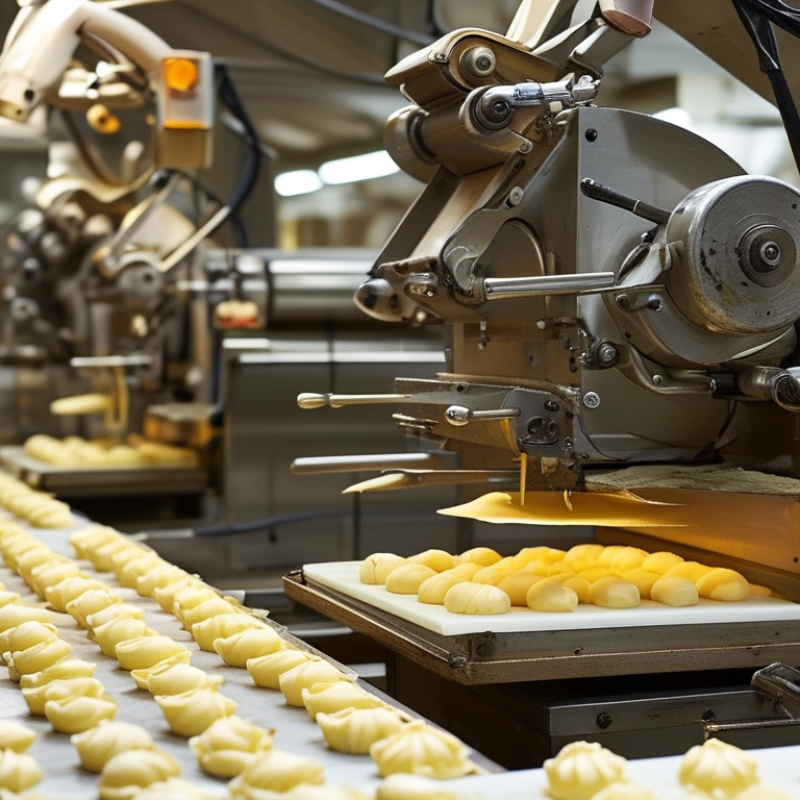
How to Choose Ergonomic Machines for Bakery Workers?

Understanding Ergonomics in Bakery Work Environments

Understanding ergonomics in bakery work environments is crucial for worker safety and productivity. Many bakery tasks involve repetitive motions, like kneading and shaping dough. According to the U.S. Bureau of Labor Statistics, more than 30% of injuries in the bakery sector stem from musculoskeletal disorders. These injuries lead to high medical costs and lost work hours.


Proper ergonomic design can mitigate these risks. For example, adjustable worktables can help bakers maintain a neutral posture and reduce strain. Research indicates that when workers have access to ergonomic tools, their productivity can increase by up to 25%. A study published in the Journal of Occupational Health shows a clear link between ergonomics and efficiency. Workers report fewer discomfort issues when using well-designed machines.


It’s essential to choose machinery that promotes healthy body mechanics. However, many bakeries overlook the importance of this investment. Some machines may be overly complex or ill-suited for specific tasks. Inadequate training on ergonomic practices can also lead to improper usage. Addressing these gaps holds the potential to create a safer and more efficient work environment.

Key Factors to Consider When Selecting Ergonomic Machines

When selecting ergonomic machines for bakery workers, several key factors come into play. The American National Standards Institute (ANSI) emphasizes the importance of reducing repetitive strain injuries in the workplace. For bakers, who often perform the same motions repeatedly, this is crucial. Machines should facilitate movements that minimize awkward postures and excessive reaching. Research indicates that improperly designed work environments can decrease productivity by 20%.

In addition to reducing strain, consider the machine's height and adjustability. The ergonomic design should accommodate various worker heights to prevent discomfort during operations. A study by the Occupational Safety and Health Administration (OSHA) found that adjustable equipment can lead to a 30% reduction in musculoskeletal disorders among employees. However, not all shifts and tasks allow for optimal equipment use, leading to persistent challenges in the bakery environment.

Lastly, user feedback is essential. Engage bakery workers in the selection process. Their insights can reveal practical challenges that designers may overlook. An ergonomic solution might seem perfect on paper but can falter under real-world conditions. Addressing these gaps can ultimately enhance both worker comfort and output efficiency. Striking a balance between ideal ergonomic designs and practical applicability remains a complex task.

Ergonomic Machines Selection Factors for Bakery Workers

This chart illustrates the key factors considered when selecting ergonomic machines for bakery workers, highlighting their importance on a scale from 1 to 10.

Types of Ergonomic Equipment Suitable for Bakery Workers

When selecting ergonomic equipment for bakery workers, focus on tools that enhance comfort and reduce fatigue. One effective type is the anti-fatigue mat. These mats cushion the feet, providing support during long hours of standing. They can significantly decrease discomfort and improve workers' overall well-being. Additionally, consider adjustable workstations. These allow employees to alternate between sitting and standing, promoting better posture.

Another essential piece of ergonomic equipment is the assistive lifting device. These machines can help workers lift heavy bags of flour or other materials without straining their backs. Proper lifting tools not only enhance safety but also foster a more efficient workflow.

Lastly, ergonomic hand tools are vital. Equipment such as mixers, dough sheeters, and utensils designed to minimize wrist strain are crucial. However, it is important to test various tools to find what best suits your team. Individual preferences may vary, and not every tool works for every worker. Therefore, regular feedback and adjustments are key to maintaining a safe and comfortable work environment.

Evaluating Machine Efficiency and Worker Comfort

Choosing ergonomic machines for bakery workers involves careful evaluation of both efficiency and comfort. Machines that reduce strain are essential for long shifts. For example, a dough mixer with adjustable height can prevent back pain. This simple feature makes a big difference. It allows workers to maintain proper posture throughout the mixing process.

Efficiency is not solely about speed. A well-designed machine should minimize unnecessary movements. For instance, a conveyor system that positions products at waist height allows bakers to work without bending or reaching excessively. Such design choices can significantly reduce fatigue. Observing workers in action provides valuable insight. It highlights how minor adjustments can lead to greater comfort.

However, it's also important to consider the flaws in current designs. Some machines may be efficient but may not accommodate all workers. Height and reach preferences vary widely. Regular feedback from employees can reveal which machines need redesigning. Only through this ongoing dialogue can bakeries ensure that productivity and worker well-being go hand in hand.

Implementing Ergonomic Solutions in Bakery Operations

Implementing ergonomic solutions in bakery operations is crucial for worker health and productivity. Ergonomic machines help reduce strain during repetitive tasks. For example, mixers with adjustable heights can prevent back injuries. Properly designed workstations enhance comfort and efficiency.

Another key aspect is ensuring that tools are easy to use. Simple handles on dough sheeters can minimize wrist strain. Encouraging breaks offers relief and mental refreshment. Observation of workers can reveal critical areas needing improvement. Small changes can lead to significant enhancements in workplace ergonomics.

Training is vital for successful implementation. Workers should understand the value of ergonomic practices. Awareness fosters a safety-oriented culture. Evaluate machines regularly for wear and performance. Continuous feedback from bakery workers helps refine these solutions. It's an ongoing process that requires attention and adaptation.

FAQS

: Why is ergonomics important in bakeries?

: Ergonomics reduces the risk of injuries, boosting both safety and productivity for bakers.

What are common injuries in bakery work?

Musculoskeletal disorders account for over 30% of bakery-related injuries, leading to high costs and lost hours.

How can adjustable worktables help bakers?

They promote neutral posture, helping to reduce strain during repetitive tasks like kneading dough.

What impact do ergonomic tools have on productivity?

Access to ergonomic tools can increase productivity by up to 25%, according to research.

What should bakeries consider when choosing machinery?

The machinery should minimize awkward postures and facilitate easy movements to reduce strain.

How does machine height affect workers?

Proper machine height and adjustability prevent discomfort, especially for workers of different heights.

Why is user feedback important in selecting machines?

Bakery workers can highlight practical challenges, ensuring machines meet real-world needs effectively.

What happens if ergonomic designs are not practical?

Ideal designs that fail in real-world settings can lead to persistent issues and discomfort for workers.

How can inadequate training impact ergonomic practices?

Lack of training can result in improper machine usage and increased risk of injury.

What could be a challenge in implementing ergonomic solutions?

Balancing ideal designs with practical application remains complex in a busy bakery environment.

Conclusion

Choosing the right ergonomic machines for bakery workers is essential for enhancing comfort and efficiency in the workplace. To determine how to choose ergonomic machines for bakery workers, it's crucial to understand the unique demands of bakery environments, which often involve repetitive motions and heavy lifting. Key factors to consider include the design of the machines, their adaptability to different tasks, and how they align with the overall workflow in the bakery.

Moreover, various types of ergonomic equipment can be beneficial, such as adjustable workstations, specialized lifting devices, and tools designed to reduce strain. Evaluating both the efficiency of the machine and the comfort it provides to workers is vital. Implementing these ergonomic solutions can significantly improve worker satisfaction and productivity, leading to a healthier work environment in the bakery industry.

Amelia

Amelia

Amelia is a seasoned marketing professional with a wealth of expertise in our company’s core offerings. With an unwavering passion for driving growth and innovation, she plays a pivotal role in shaping our marketing strategies and enhancing brand visibility. A key aspect of her responsibilities......