Culino Kitchen
Starting a small bakery can be a rewarding venture. However, choosing the right equipment can be challenging. According to the National Restaurant Association, 51% of new restaurant owners cite equipment selection as a critical factor for success. Properly selecting bakery equipment is essential for both efficiency and product quality.
When considering how to choose bakery equipment for small businesses, one must evaluate the specific needs of the operation. For example, ovens, mixers, and refrigerators are fundamental, but their capacity and functionality vary significantly. A recent report by IBISWorld indicates that the bakery equipment market is expected to grow by 3.5% annually. This trend illustrates the importance of investing in quality equipment to stay competitive.
Moreover, the decision-making process can be overwhelming. Small business owners often face budget constraints while still needing reliable equipment. Reflecting on this, it’s crucial to prioritize key equipment that optimally balances cost and performance. Knowledge of the equipment's durability and maintenance requirements also plays a vital role in this assessment. Ultimately, making informed choices today can lead to long-term success and sustainability for your bakery.
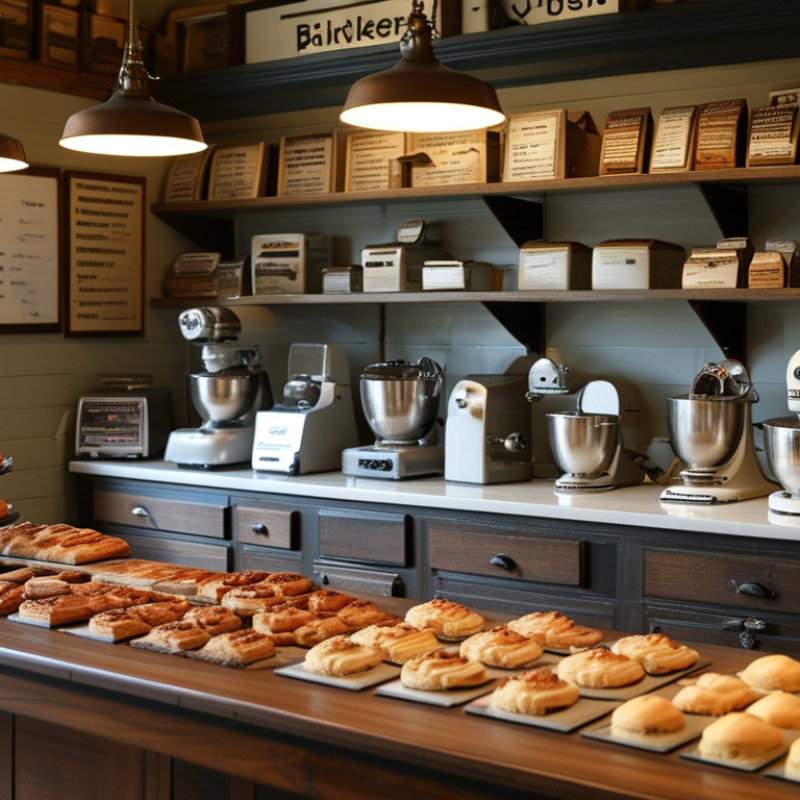
Understanding your bakery's specific needs is crucial for success. Begin by evaluating the types of baked goods you plan to offer. Are you focusing on bread, pastries, or cakes? This decision influences the equipment you'll require. For instance, if you specialize in artisan bread, a high-quality mixer and a baking oven are essential. Conversely, a pastry-focused bakery may need specialized tools like sheeters or fryers.
Consider your production volume. Small bakeries may not need oversized ovens or extensive refrigeration. Does space allow for specialized machines? If not, multipurpose equipment can save both room and investment. Also, assess your budget. Equipment can vary greatly in price and quality. Investing in used equipment might be a viable option, but weigh the risks carefully.
Don't forget to think about your workflow. A well-organized kitchen layout can lead to efficiency. Equipment placement affects how quickly you can produce. Consider future expansion. Will your equipment need to scale up? Remember, the best choice aligns with your specific vision and aspirations. Reflect on these aspects to build a strong foundation for your bakery business.
Choosing the right bakery equipment is a crucial step for small business success. Essential equipment types can greatly influence productivity and product quality. A commercial mixer is vital for mixing dough consistently. Look for a mixer that can handle various quantities. Choose one with sturdy construction for durability. It will save time and effort while producing perfect batter or dough.
Ovens are another key investment. Convection ovens distribute heat evenly, ensuring baked goods rise properly. Consider the size needed for your operations. A larger oven allows for batch baking but requires more space. Evaluate if your business will grow. If so, purchasing a slightly larger model could be wise.
Additionally, don’t overlook display cases. They enhance product visibility and attract customers. Choose cases that balance aesthetics with functionality. A case should maintain freshness while showcasing treats. Investing in quality equipment can seem daunting. Each piece must perform reliably. Poor choices can lead to frustrations. Reflect on your needs before making purchases.
When starting a small bakery, budget considerations play a pivotal role in equipment purchases. According to a report from IBISWorld, bakery equipment can comprise up to 25% of your total start-up costs. Balancing quality and affordability is essential. Invest in versatile equipment that can serve multiple functions, which can save money upfront and over time.
Tips for budgeting include creating a detailed inventory of needed tools. Prioritize essential items like ovens, mixers, and refrigeration. Emphasize quality over quantity. Lower-quality equipment may seem cheaper initially, but frequent repairs can lead to higher long-term costs. Researching equipment leasing options may also be beneficial. A 2022 report from the Small Business Administration suggests that leasing can help preserve cash flow.
Reflect on your product range. Will you focus on breads, pastries, or specialty items? This focus can streamline your equipment choices. Choose equipment that fits your business model and anticipated growth. Invest in used equipment if it meets safety standards and performance requirements. It’s crucial to ensure any pre-owned equipment is reliable.
| Equipment Type | Estimated Cost ($) | Purpose | Size Consideration |
|---|---|---|---|
| Oven | 3000 | Baking bread and pastries | Standard Size |
| Mixer | 1500 | Mixing dough and batter | Compact |
| Refrigerator | 2000 | Storing perishable items | Full Size |
| Proofer | 1800 | Fermentation of dough | Compact |
| Baking Sheets | 150 | Baking various goods | Standard Size |
When selecting bakery equipment, it's crucial to research brands and quality standards. Various equipment types require different levels of durability and performance. For instance, ovens must distribute heat evenly while mixers should handle different batter types seamlessly. Reliability in these machines can significantly impact production quality and efficiency.
Consider reading reviews from other bakers who use these products. Online forums and customer feedback can provide valuable insights into long-term performance. Look for certifications that indicate adherence to safety regulations and quality benchmarks. Brands that have been in the market for years often demonstrate consistency in their equipment's reliability.
Despite the wealth of information, the decision-making process can still be confusing. Not every highly rated product will fit your specific needs. Reflect on your business model and volume requirements. Sometimes, less expensive options show better performance than their pricier counterparts. Thus, taking the time to analyze equipment standards can prove beneficial in the long run.
When planning for space and layout in your bakery, it’s crucial to consider the flow of operations. The arrangement of equipment can significantly impact efficiency. Imagine the movement from mixing to baking. It should be seamless and logical. Adequate space allows staff to work without hindrance.
Tips: Measure your space carefully. Consider the dimensions of the equipment. Ensure there’s room for handling ingredients and baked goods. Also, think about storage. A clutter-free environment enhances workflow and boosts morale.
Equipment placement is another consideration. Group similar tasks together. Keep ovens near cooling racks. This reduces unnecessary backtracking. Be mindful of safety. Positioning is not just about convenience; it’s about creating a safe workspace.
Tips: Create a mock layout. Use tape to outline equipment dimensions on the floor. This gives you a visual sense of space. Don’t overlook the importance of electrical outlets and plumbing access. These details can complicate your setup if ignored.
: Focus on your specialty, such as bread or pastries. This choice determines necessary equipment.
Small bakeries may not need large ovens or fridges. Match equipment size to your production capacity.
Used equipment can save money. Ensure it meets safety standards and is dependable before purchase.
An organized layout boosts efficiency. Proper equipment placement speeds up production and workflow.
Create an inventory of needs. Prioritize essential items like mixers and ovens for budgeting.
While cheaper, lower-quality equipment often incurs higher long-term repair costs. Consider investing in reliable options.
Leasing can help preserve cash flow. Research options to see if it suits your financial situation.
Consider if equipment will need scaling up. Choose flexible tools that can accommodate growth.
Align equipment choices with your product focus, whether it’s breads or specialty items. Simplify your equipment needs.
Avoid impulse buys. Reflect on performance, safety, and future needs to make better equipment choices.
When considering how to choose bakery equipment for small businesses, it’s essential to first understand your specific needs and goals. Identifying the types of products you plan to bake will guide you in selecting the right equipment that aligns with your operational demands and customer expectations.
Next, evaluate the essential types of equipment necessary for your bakery, keeping in mind your budget constraints. Researching different brands and quality standards will ensure that you make informed purchases that last. Additionally, planning the layout of your bakery space is crucial for optimizing workflow and efficiency. By thoroughly analyzing these aspects, you can successfully equip your small bakery for growth and success.
