Culino Kitchen
Starting a bakery is an exciting venture. However, it comes with many decisions, especially around equipment. Knowing how to choose bakery equipment for small businesses is crucial. The right tools can elevate your products and streamline your workflow.
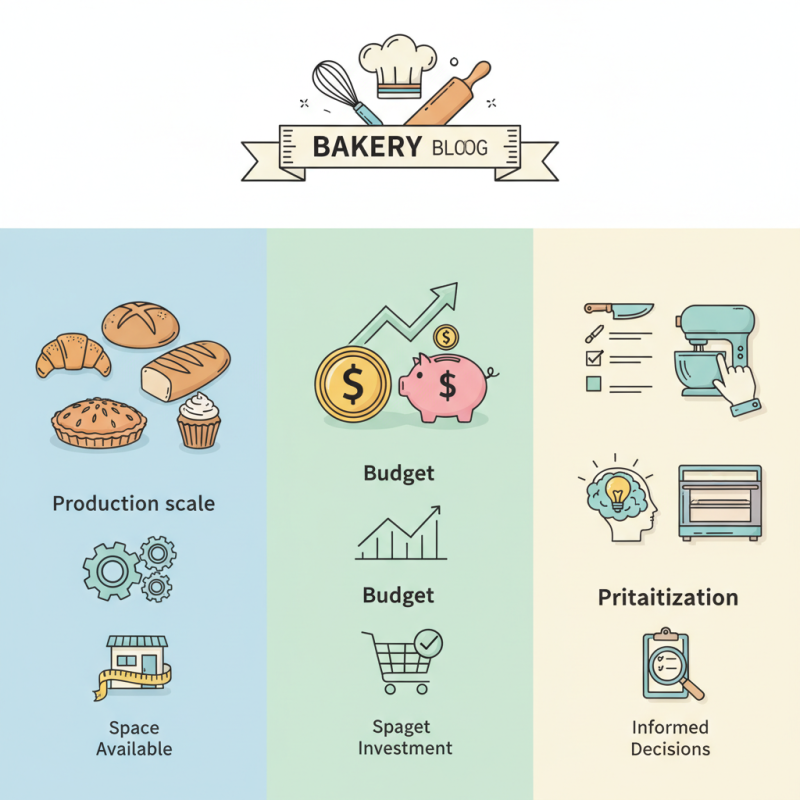
When selecting equipment, consider your menu and production scale. Are you focusing on artisan bread or delicate pastries? Each item may require different tools. Think about the space you have available too. Finding equipment that fits in your kitchen is essential but challenging. It can lead to frustration if you don't plan carefully.
Budget also plays a significant role in your choices. Investing in quality equipment can pay off, but overspending is easy. You might feel tempted by trendy gadgets, but they aren't always functional. Reflect on what you really need and prioritize wisely. Making informed decisions will set a solid foundation for your bakery's success.
Choosing the right bakery equipment is essential for your small business. Understanding your specific needs is the first step. Consider your menu. What items will you offer? Depending on your selections, your equipment requirements will vary. For instance, if you plan to specialize in bread, a high-quality mixer and proofing cabinets will be crucial.
Evaluate your production volume as well. Are you baking small batches or large quantities? This impacts the size and capacity of the equipment you choose. Smaller establishments might overlook this. A compact oven could suffice, but larger operations might need a commercial-grade option. It's worth pondering how meeting demand will affect future growth.
Also, think about your space. Does your kitchen have enough room? Equipment can quickly take up valuable space. Measure dimensions before committing to any purchase. Consider the layout of your kitchen. A poorly arranged space can hinder workflow. Test ideas on paper, but be ready for adjustments. Equipment choices often require ongoing evaluation and reflection. Are they working as planned? Do they meet your expectations? Regular checks can lead to better efficiency and fewer frustrations.
Choosing the right bakery equipment is crucial for small businesses. A well-planned setup can enhance production efficiency and improve product quality. According to a recent industry report, nearly 70% of bakery owners say that investing in proper equipment boosted their output significantly.
Essential bakery equipment includes ovens, mixers, and refrigerators. For instance, commercial ovens come in various types such as convection and deck. Each type has its unique advantages. A convection oven circulates hot air for even baking, while a deck oven maintains a steady temperature. Understanding these differences can greatly impact baking results.
Moreover, small businesses often overlook the importance of storage solutions. Proper refrigeration and proofing cabinets ensure ingredient freshness and optimal dough rising. Investing here might seem daunting. However, many bakeries struggle with spoilage and waste due to inadequate storage. Pay attention to space and layout, too; congested work areas can hamper efficiency. Careful reflection on equipment choices can lead to a more productive and successful bakery.
When choosing bakery equipment suppliers, several crucial factors come into play. A reliable supplier should have a good reputation in the industry. According to market research, 78% of small business owners prioritize supplier reputation when making purchases. Look for suppliers with positive customer reviews and solid experience in the bakery sector.
Another important aspect is warranty and service. Data indicates that about 30% of bakers face equipment failures. A supplier that offers robust warranties and responsive service can make a significant difference. Ensure that the supplier offers timely repairs or replacements. This can prevent downtime, which directly affects your productivity.
Price is often a key consideration. However, it's essential to balance cost with quality. Many bakers report that saving on initial costs leads to more expenses in repairs later. This aspect encourages serious reflection on long-term investment versus short-term savings. Therefore, seek a supplier who provides the best value rather than just the lowest price. Quality equipment ensures consistent product output, which ultimately impacts customer satisfaction and retention.
When budgeting for bakery equipment, understanding the costs is crucial. Industry reports suggest that small businesses typically invest between $20,000 and $50,000 for a moderate setup. This range varies significantly based on equipment type and scale of production. It's vital to assess your unique needs before making purchases.
Consider exploring financing options. Many suppliers offer leasing or financing plans that can ease initial cash flow. This approach allows you to acquire necessary equipment without a significant upfront cost, spreading payments over time. However, always check the terms. Some plans may include high-interest rates, which can impact your budget.
**Tip:** Create a detailed list of essential equipment. Prioritize items that will boost production and sales. It helps in avoiding impulse purchases that could strain your finances.
Reflect on your actual needs. It’s easy to overestimate what you require. Start small, then expand as your business grows. Speak to other bakery owners to gain insights on what equipment was truly essential. This knowledge helps prevent unnecessary spending while ensuring you invest wisely.
Maintaining and upgrading bakery equipment is crucial for longevity and efficiency. Regular maintenance can extend the lifespan of your machinery, reducing replacement costs. A report from the National Restaurant Association shows that 30% of small businesses face equipment failures that could be avoided with proper upkeep. It's essential to create a maintenance schedule. This will help you stay on top of repairs and avoid costly downtime.
Tip: Clean your equipment daily. This simple step can prevent issues like overheating and rust. Regular inspections can identify worn parts early. This proactive approach saves money and time.
Investing in upgrades can optimize your workflow. For instance, modern ovens can use energy more efficiently, reducing utility bills by up to 20%. However, upgrading isn't always feasible. Critically assessing your budget and return on investment is imperative. If funds are limited, prioritize the most crucial equipment first.
Tip: Don’t overlook staff training. Ensure that your team knows how to operate and maintain equipment properly. This knowledge can prevent misuse and damage.
: Evaluate your menu items, production volume, and kitchen space first. These factors greatly influence your equipment choices.
If you specialize in bread, you'll need a high-quality mixer and proofing cabinets. Your offerings dictate your needs.
Production volume determines the size and capacity of the equipment. Smaller establishments may underestimate their needs.
Equipment takes up room. Measure your kitchen dimensions to avoid overcrowding and maintain workflow efficiency.
Choose suppliers with a good reputation and positive customer reviews. Reliability is key for your business success.
Robust warranties and responsive service are crucial. Equipment failures can disrupt productivity, making this aspect essential.
While price is important, balance it with quality. Saving initially can lead to costly repairs and downtime later.
Regular checks can improve efficiency and address issues promptly. Reflect on equipment performance to reduce frustrations.
If equipment underperforms, it can affect productivity and customer satisfaction. Reflecting on choices helps to find better solutions.
Look for suppliers who prioritize value over cost. Quality equipment leads to consistent output and better customer retention.
When starting a small bakery, understanding how to choose bakery equipment for small businesses is crucial for success. Begin by assessing your specific needs to determine the equipment requirements based on your production volume and product types. Essential bakery equipment includes ovens, mixers, proofers, and display cases, among others, which are fundamental for your operations.
Moreover, factors such as supplier reliability, customer service, and maintenance support should influence your selection of bakery equipment suppliers. Budgeting is another critical aspect, where it's important to consider both initial costs and financing options to maximize your investment. Lastly, regular maintenance and timely upgrades of your bakery equipment can enhance longevity and efficiency, ensuring your business runs smoothly for years to come.
