Culino Kitchen
In the fast-paced world of manufacturing, maintaining product consistency is vital. Companies strive to achieve uniformity across their large-scale production processes. However, challenges often arise, affecting quality and customer satisfaction. This raises an important question: how to improve product consistency in large-scale production?
A successful approach involves understanding and addressing the root causes of variability. For example, inconsistent raw materials can lead to imperfect products. Manufacturers must work closely with suppliers to ensure quality standards are met. Furthermore, robust training programs for employees can enhance skills and knowledge, crucial for maintaining consistency.
Implementing advanced technologies also plays a significant role. Automation can reduce human error, but it requires careful monitoring. While systems like sensors can improve oversight, they also need regular calibration. As we explore the best ways to enhance product consistency, companies must reflect on existing practices. Continuous learning and adaptation are key, as perfection is a moving target in production.
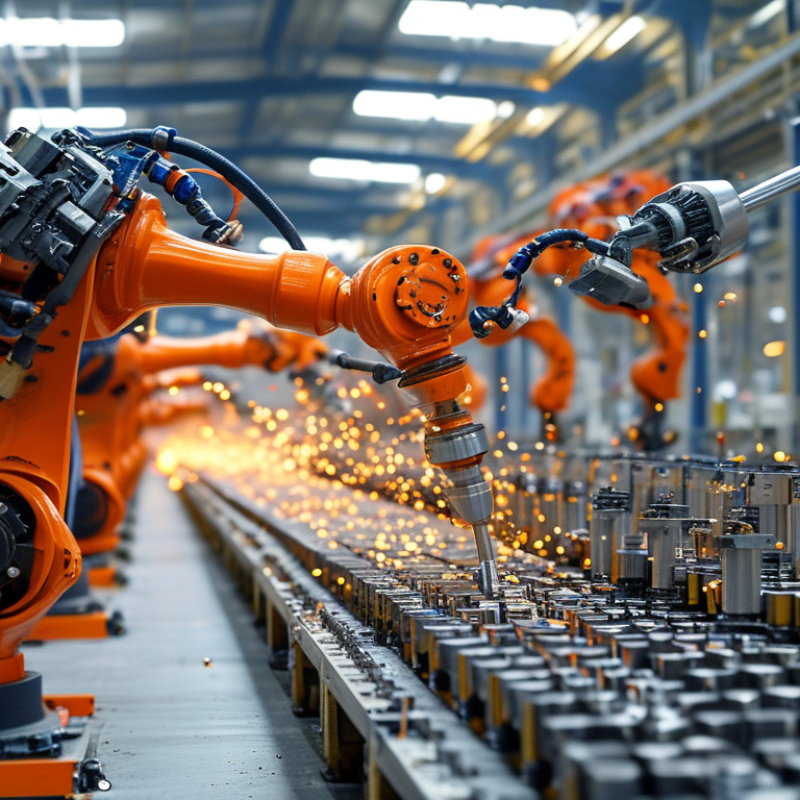
Assessing current production processes is crucial for identifying consistency gaps. Companies often overlook small discrepancies that accumulate over time. These gaps can lead to noticeable differences in product quality, disappointing customers and damaging the brand.
Tips for addressing consistency gaps include conducting regular audits of production lines. Engage workers in feedback sessions to gather insights about challenges they face. Their perspectives can reveal unnoticed variations in the process. Utilize data analytics to measure output regularly. This can help in pinpointing when inconsistencies occur.
Another strategy is to standardize procedures across all teams. When everyone follows the same guidelines, variability decreases. However, it’s important to ensure that standardization does not stifle innovation. Maintain a balance between consistency and the flexibility needed for improvements. Regularly review procedures to incorporate new techniques while preserving quality standards.
Implementing Standard Operating Procedures (SOPs) is crucial for achieving product consistency in large-scale production. SOPs are detailed, written instructions that outline how to perform specific tasks. They serve as a guide for employees at every level, minimizing variations and errors. By standardizing processes, companies can reduce waste and improve efficiency. When everyone follows the same guidelines, it leads to more predictable outcomes.
However, creating effective SOPs can be challenging. Each procedure must be clear and practical. It's essential to involve employees in the development process. Their firsthand experience can highlight potential pitfalls. This can lead to more effective SOPs and a higher likelihood of compliance. While some teams may resist standardized procedures, proper training and communication can address these concerns.
Monitoring adherence to SOPs is another key element. Regular audits can identify gaps or inconsistencies. These assessments allow for continuous improvement. Without consistent reviews, SOPs can become outdated, losing their effectiveness. A successful implementation requires flexibility and a willingness to refine practices over time. This adaptability can ultimately lead to a higher level of product consistency in a demanding production environment.
Utilizing technology for real-time quality monitoring can significantly enhance product consistency in large-scale production. Implementing sensors and software that track production lines allows for immediate feedback on quality issues. Workers can quickly address inconsistencies before they escalate, minimizing waste and maintaining standards. With clear data visualizations, teams can easily identify patterns in defects.
Automation tools can assist in monitoring various stages of production. For instance, machines can detect deviations in measurements, alerting operators right away. This process reduces reliance on manual inspection, which can be inconsistent. However, it is vital to remember that technology is not infallible. It can produce false alarms or miss subtle issues that require human judgment.
While technology offers overall improvements, companies must assess their integration carefully. Not all industries may benefit equally; some may find it challenging to adapt to these solutions. Balancing technology with human expertise is crucial. Continuous training ensures that staff can interpret data accurately and respond effectively. Emphasizing a culture of quality will help identify areas needing improvement while fostering a proactive mindset towards product consistency.
| Method | Description | Technology Used | Impact on Quality |
|---|---|---|---|
| Automated Inspection | Utilizing cameras and sensors to detect defects in real-time. | Machine Vision Systems | Reduces defect rate significantly. |
| IoT Sensors | Monitoring environmental conditions for consistency. | Internet of Things | Ensures optimum process conditions. |
| Data Analytics | Analyzing production data to identify trends and anomalies. | Advanced Analytics Software | Improves decision-making for quality control. |
| Real-Time Monitoring | Continuous tracking of production processes. | SCADA Systems | Enables immediate response to quality issues. |
| Predictive Maintenance | Predicting equipment failures before they occur. | Machine Learning Models | Minimizes downtime and enhances consistency. |
| Standardized Procedures | Documenting and adhering to standardized manufacturing processes. | Quality Management Software | Ensures uniformity in product quality. |
| Employee Training | Ongoing training programs for production staff. | Learning Management Systems | Enhances skills and awareness of quality standards. |
| Feedback Loops | Establishing feedback channels for continuous improvement. | Collaboration Tools | Increases adaptability to quality issues. |
| Supply Chain Integration | Integrating suppliers into the quality management process. | Supply Chain Management Software | Enhances material quality consistency. |
| Quality Audits | Regular audits to ensure compliance with quality standards. | Audit Management Tools | Identifies gaps and areas for improvement. |
Training employees effectively is crucial for improving product consistency in large-scale production. A well-structured training program focuses on best practices that align with the company's quality standards. Employees must understand the processes and equipment they will use daily. Visual aids, such as charts and videos, can enhance learning and retention.
Engaging trainers who can share real-life experiences makes the training more relatable.
Consistency often falters when employees lack proper guidance. Regularly scheduled refreshers ensure everyone stays updated. Incorporating hands-on practice into training helps solidify knowledge. Employees can experiment and learn from their mistakes in a controlled environment. This approach fosters confidence, making staff more likely to adhere to established protocols.
Feedback mechanisms also play a vital role. Encouraging employees to voice concerns or suggest improvements can uncover underlying issues. It creates a culture that values continuous learning. Moreover, mapping out a career path can motivate staff to invest in their roles deeply. Achieving product consistency isn't just about strict adherence; it's about fostering an adaptable and knowledgeable workforce.
Conducting regular audits is essential for maintaining product consistency in large-scale production. These audits evaluate processes and help identify areas needing improvement. They should not be infrequent; instead, they should occur at regular intervals. A thorough examination of workflows can reveal inefficiencies. This provides opportunities for adjustment before minor issues escalate into significant problems.
Establishing feedback loops is another critical aspect of continuous improvement. Encourage open communication among team members. Quick feedback can highlight discrepancies in production. Use surveys or one-on-one discussions for deeper insights. This encourages a culture of transparency and accountability, vital for enhancing overall product quality.
Tips: Implement a digital tool for tracking feedback. This ensures that all concerns are documented and addressed quickly. Conduct training sessions based on audit findings to cultivate skills. Remember, the goal is to create a responsive environment. Reflect on past mistakes to prevent their recurrence. Regular audits and feedback loops can drive lasting improvements in your production line.
This chart illustrates the impact of various strategies on product consistency in large-scale production, rated on a scale of 1 to 10. Key methods such as conducting regular audits and establishing feedback loops have been shown to significantly enhance product quality and consistency.
: It helps identify consistency gaps that can lead to product quality issues.
Regular audits of production lines and engaging workers for feedback can reveal unnoticed variations.
SOPs minimize variations, reduce errors, and improve efficiency by providing clear task instructions.
Procedures must be clear and practical. Involving employees can highlight potential pitfalls.
Regular audits can help identify gaps or inconsistencies in the implementation of SOPs.
They evaluate processes and uncover areas needing improvement before minor issues escalate.
They promote open communication, allowing quick identification of discrepancies in production.
A digital tool can document concerns quickly and ensure they are addressed.
It cultivates the skills needed for improvement and prevents past mistakes from recurring.
Regular reviews of procedures can incorporate new techniques while maintaining quality standards.
To improve product consistency in large-scale production, it is essential to first assess current production processes to identify any consistency gaps. Implementing Standard Operating Procedures (SOPs) across all operations ensures that every employee follows the same guidelines, thereby reducing variability. Additionally, utilizing technology for real-time quality monitoring allows for immediate detection of any deviations, which can be addressed promptly.
Training employees on best practices is crucial for fostering a culture of quality and consistency. Regular audits and feedback loops contribute to continuous improvement by identifying areas for enhancement and ensuring adherence to established standards. By focusing on these key areas, organizations can effectively learn how to improve product consistency in large-scale production, leading to higher quality outputs and increased customer satisfaction.