 Culino Kitchen
Culino Kitchen
Culino Kitchen
In the food processing industry, the challenge is clear: how to balance cost and performance in food processing machinery. The machinery used significantly affects production efficiency and product quality. Manufacturers often face a tight budget, yet they require reliable equipment to meet consumer demands. High initial costs can deter investments, but subpar machinery may lead to higher operational expenses.
Technological advancements have introduced various options for food processing machinery. However, not all innovations deliver the desired return on investment. Choosing the right equipment involves careful consideration of long-term benefits versus short-term savings. A machine that appears cost-effective could result in increased downtime if it lacks durability.
Understanding production needs is essential for making informed decisions. Factors like volume, product type, and processing times must be taken into account. While some machinery may be cheaper upfront, they might not withstand the rigors of daily use. Therefore, investing time in research and aligning machinery capabilities with specific production goals is crucial. This approach helps create a balance between cost and performance, ultimately leading to improved efficiency and profitability.
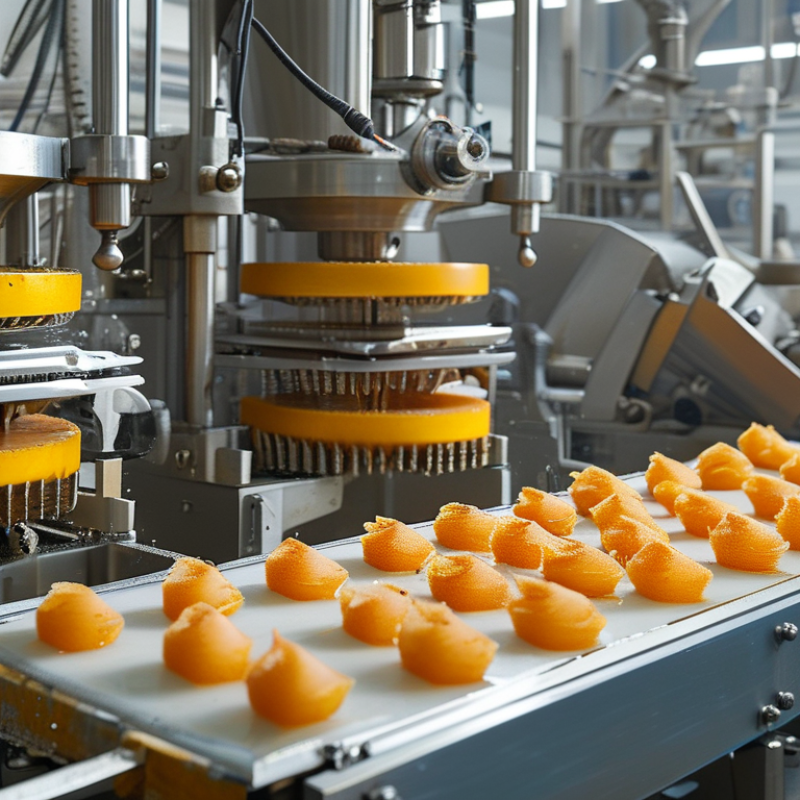
When it comes to food processing machinery, understanding cost factors is crucial. Various elements drive the overall expenses of machinery investment. Materials used in construction can vary significantly. Stainless steel, for instance, is often more expensive but offers durability and hygiene benefits. Lower-cost alternatives may save money initially, but could lead to higher maintenance costs later.
Labor costs also play a significant role. Automated machines might require a larger upfront investment but can reduce long-term labor expenses. Efficiency is key here. Investing in technology that enhances productivity can offset those initial costs. However, it's important to evaluate the return on investment accurately.
Energy consumption is another critical factor in the cost equation. Machines designed for efficiency may have a higher purchase price but provide substantial savings in utility costs. Manufacturers must consider energy ratings when selecting equipment. Decisions should be made with careful analysis, keeping in mind the long-term operational costs versus short-term savings. This consideration often reveals deeper insights into potential improvements and cost-effective strategies.
| Factor | Description | Cost Impact (%) | Performance Impact |
|---|---|---|---|
| Material Quality | The type of materials used in construction affects durability and maintenance. | 15% | High durability, reduced downtime. |
| Energy Efficiency | Energy-efficient machines reduce operational costs and environmental impact. | 10% | Lower energy consumption, stable performance. |
| Technology | Advanced technology can enhance processing speed and efficiency. | 20% | Improved processing times and product consistency. |
| Maintenance Costs | Regular maintenance can prolong equipment life but adds to costs. | 5% | Maximizes machinery efficiency and lifespan. |
| Labor Costs | Skilled labor is necessary for operation and can affect costs. | 25% | Skilled operators enhance performance and safety. |
: Focus on efficiency, speed, accuracy, and operational costs. Clear metrics help in making informed decisions.
Easier-to-maintain machines can save costs over time. Downtime caused by repairs can be very expensive.
User insights reveal real-world performance. What works well in one facility may fail in another.
Consider initial costs versus long-term operating expenses. Sometimes, a higher upfront cost leads to savings later.
Machines that use less energy can significantly reduce operational costs over time. Don’t overlook this aspect.
Automation and smart sensors can reduce costs. However, they require training and may not provide immediate ROI.
Invest in training your operators. Knowledgeable staff can better handle and optimize new technology.
Yes, there can be implementation costs and a learning curve. Assess whether these investments will pay off.
Regularly track metrics like output rates and energy consumption. Continuous assessment leads to better results.
Running pilot programs allows you to test the efficacy of new systems before wider implementation.
In the food processing industry, understanding how to balance cost and performance in food processing machinery is crucial for optimizing productivity and profitability. Key factors influencing costs include initial capital expenditure, maintenance requirements, and energy consumption. Performance metrics, such as throughput, efficiency, and product quality, must also be considered to ensure the equipment meets operational demands.
To achieve cost-effective solutions, companies can employ strategies such as process optimization, lifecycle cost analysis, and supplier negotiations. Evaluating trade-offs between performance and cost efficiency is essential, as investing in advanced machinery may lead to long-term savings despite higher upfront costs. Additionally, emerging technologies, like automation and smart sensors, offer innovative ways to enhance performance while driving down costs, thereby enabling food processors to maintain competitiveness in a rapidly evolving market.
